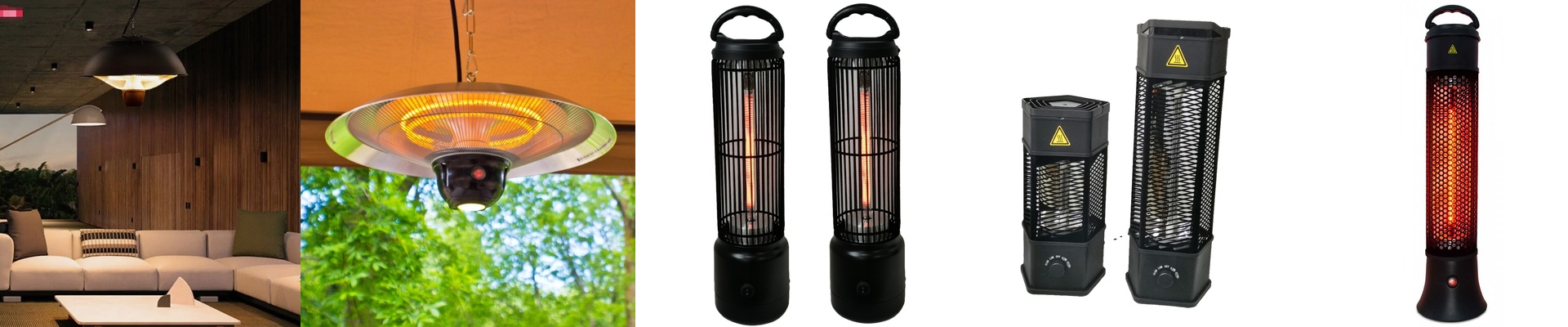
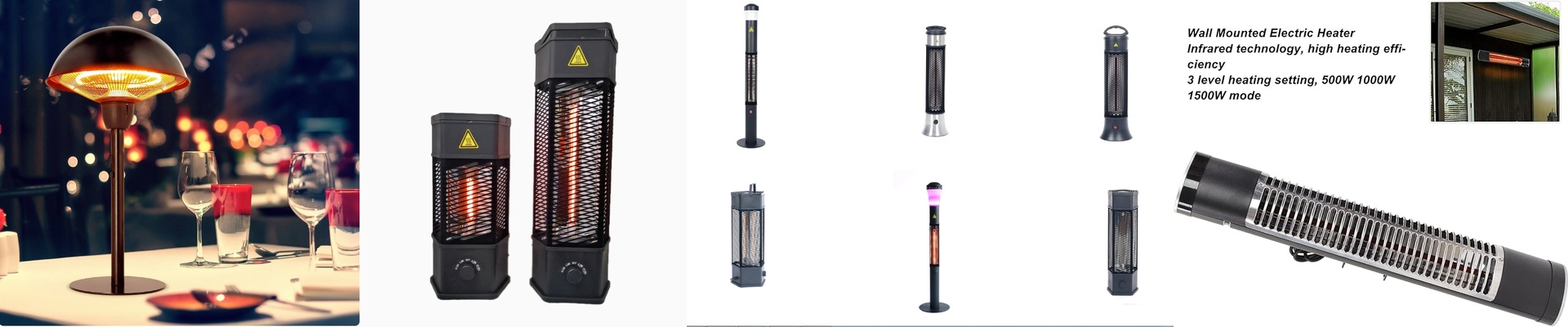

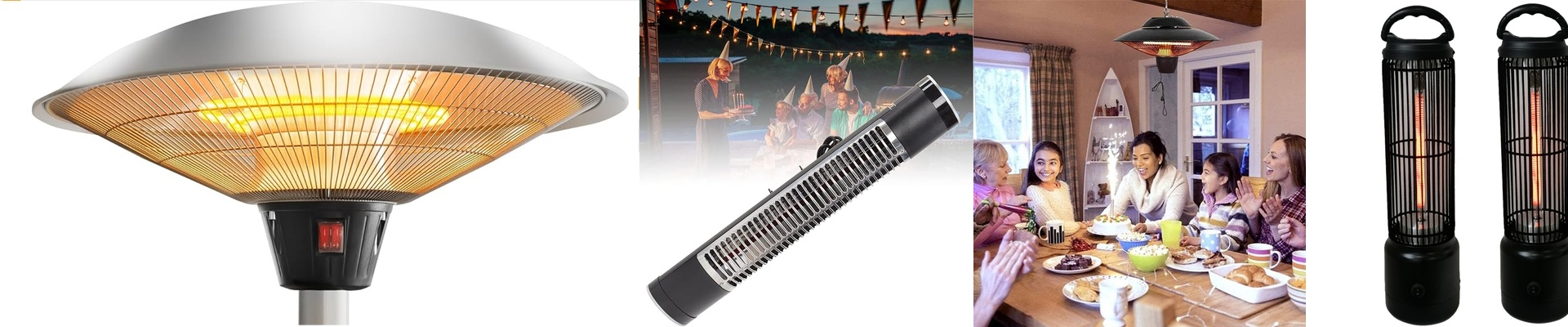
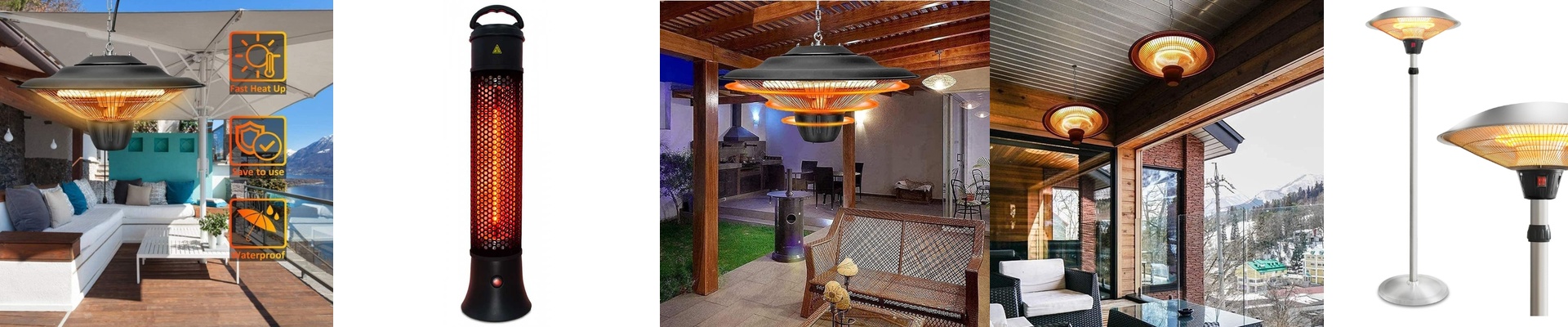

Stepping outside shouldn’t mean you have to leave the warmth behind. Too many nights end early because the patio, deck, or three-season room just feels drafty—or the heater runs, but the heat never lands on you. An outdoor radiant heater changes that. It delivers infrared warmth straight to people and surfaces, not the air, so you feel comfortable almost as soon as it’s on.
What matters, technically
With outdoor radiant heaters, the real story is infrared output, not just watts on the label. Quartz tube elements and carbon fiber emitters put out broad-spectrum radiant heat, and the response is fast—seconds, not minutes. For residential outdoor use, you’re typically looking at 120V or 240V models, with power around 1500W and 3000W. The key is matching intensity to exposure. A south-facing, wind-sheltered deck can get by with less than a north-facing, open porch that takes the full brunt. Built-in thermostats help keep comfort steady, and IP ratings—like IP34—protect against dust and water splashes. For safety, make sure the unit has tip-over protection and an overheat cut-off.
Why this approach works where you need it
Heat loss comes down to orientation and how well the space is insulated—and that determines how quickly comfort disappears. Use a quick, one-minute sizing approach: match infrared power to those losses. On a sheltered, well-insulated spot, a 1500W unit often gives you even, draft-free warmth. On a windy, exposed area—or a room with a lot of glass—a 3000W heater keeps the floor and furniture warm, so you can sit comfortably even when the air temperature drops. Because radiant heat targets objects and people, you feel cozy sooner, and you’re not wasting energy heating empty air.
The practical details that make it work
Outdoor radiant heaters only do their job if they’re placed right. Mount them 6–8 feet high, angled to cover the seating area, and maintain clearances from curtains, furniture, and overhead finishes. Most plug into standard outlets, but 240V models may need a dedicated circuit. Sort that wiring ahead of time—before the first cold evening hits. Wind cuts heat output, so a wind-rated shield is worth it in exposed spots. In damp climates, double-check the IP rating and keep the power connection dry. Warmth, outdoors, on demand.