

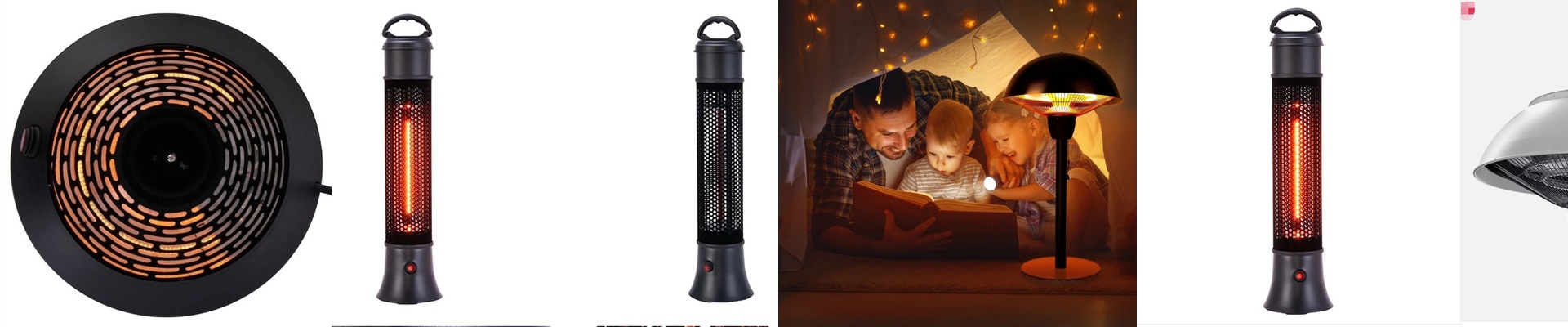
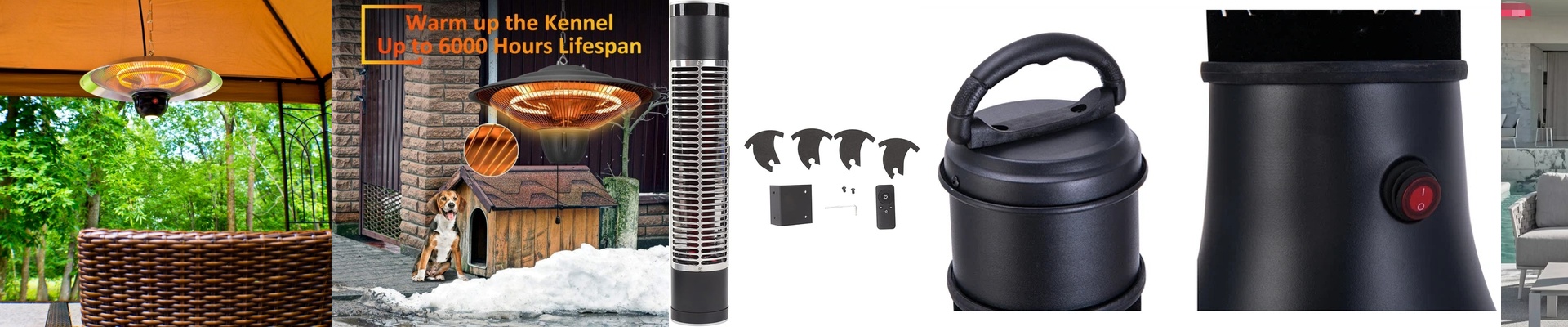
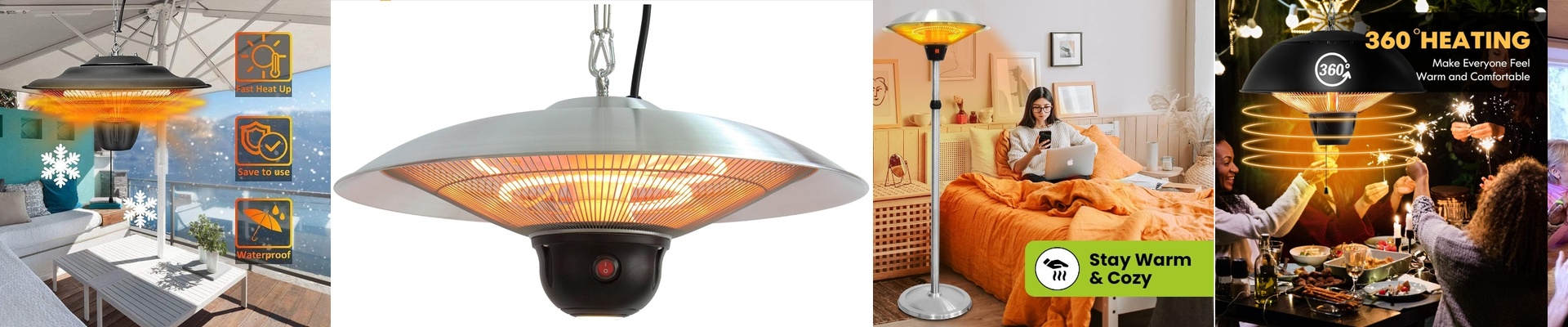
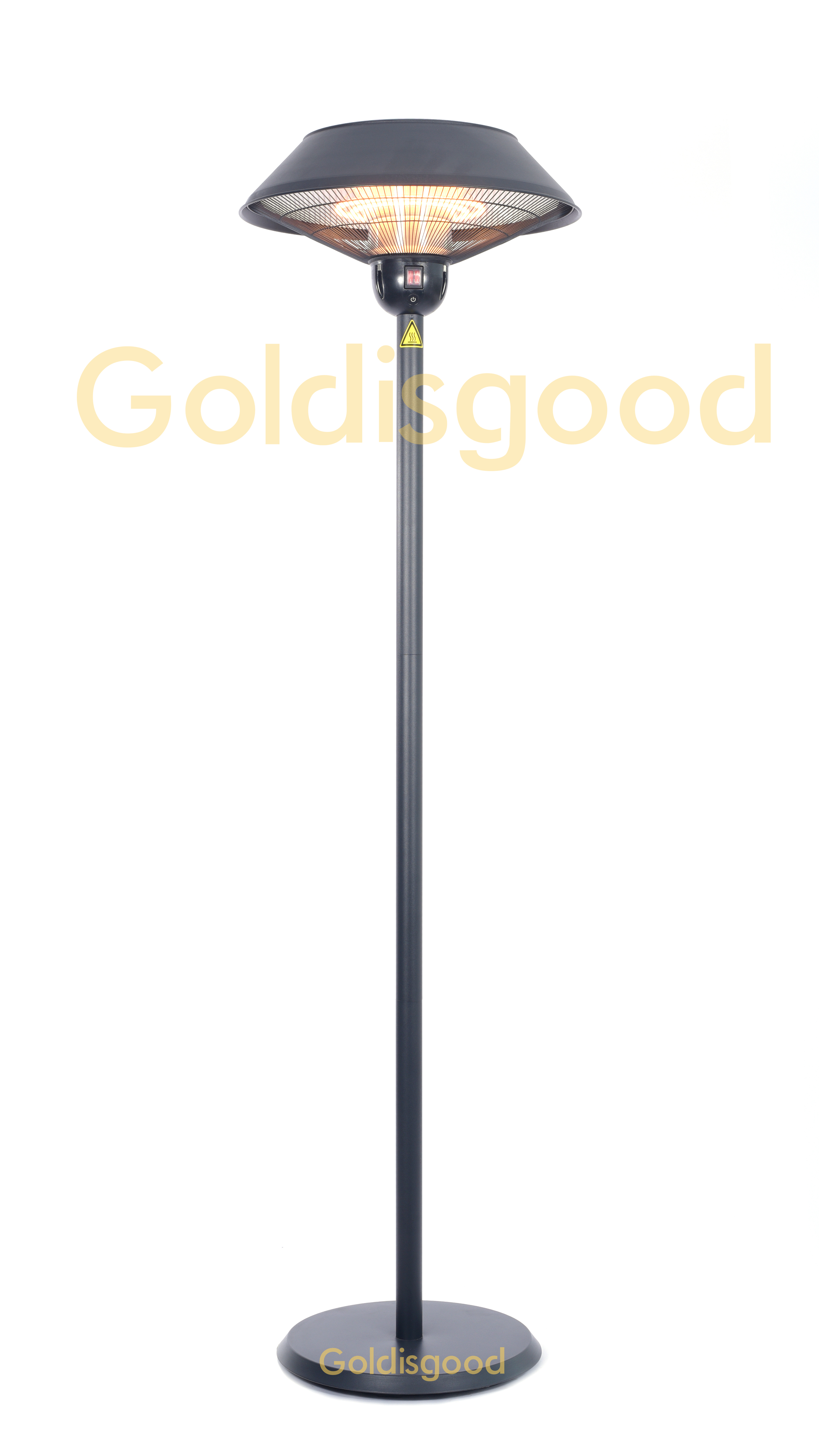
Step into the lab and you pick up on it right away—the steady hum of something tuned tight. We spend our days inside sealed test chambers, dialing in the infrared spectrum so the warmth feels honest, not forced. The real question is this: how do you turn electricity into comfort that hits instantly and stays level? The answer is the electric radiator heater we put together.
What matters under the hood
We went with a carbon fiber heating element because it comes up to temp fast and holds it even. In practice, that means the heater hits target output in seconds—no long warm-up like you get with convection-only units. The radiant heat spreads out in a broad pattern, warming people and surfaces first, instead of chasing the air around. Add in a built-in thermostat and the system holds a steady feel, rather than cycling on and off. For outdoor use, the IP rating keeps moisture out, and tip-over protection cuts power if the unit gets knocked over.
Why this approach fits the real world
This design shines wherever winter chill makes time outside feel like a trade-off. On a patio or in a workshop, you get infrared warmth that starts immediately, so the conversation keeps going and the hands keep working. Because the heat is aimed where you need it, you don’t have to overheat the whole space just to feel comfortable. You end up with a longer evening that’s easier to sit through, fewer drafts, and a more stable environment—whether you’re relaxing or trying to get something done.
The details that make it work
Radiant heat does its best work when the unit has a clear line of sight to the people or objects you want to warm. Any obstruction cuts coverage, so placement matters. Also, while the heater is efficient for spot heating, it’s built to supplement—targeted comfort, not a whole-home replacement. Plug it into a grounded outlet on a circuit with enough capacity, and you’re set for reliable, low-maintenance warmth.