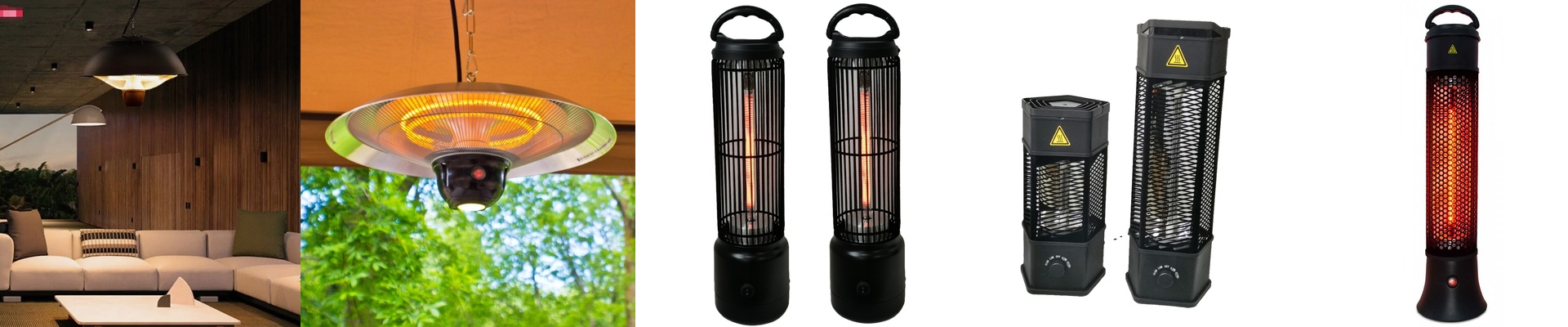
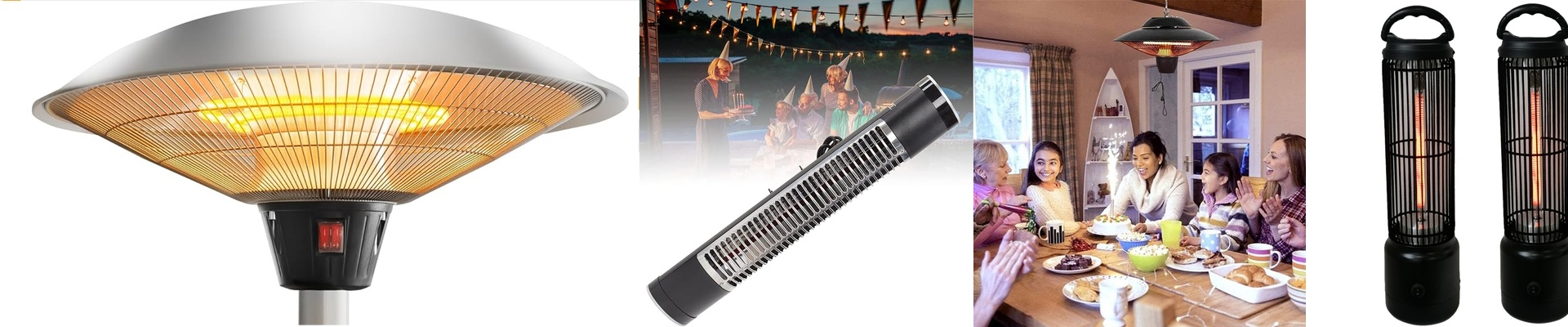
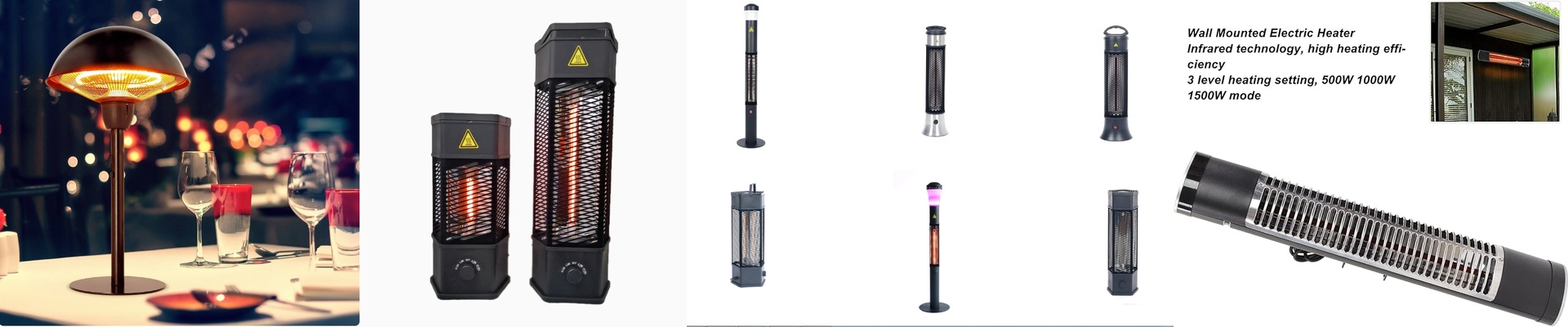

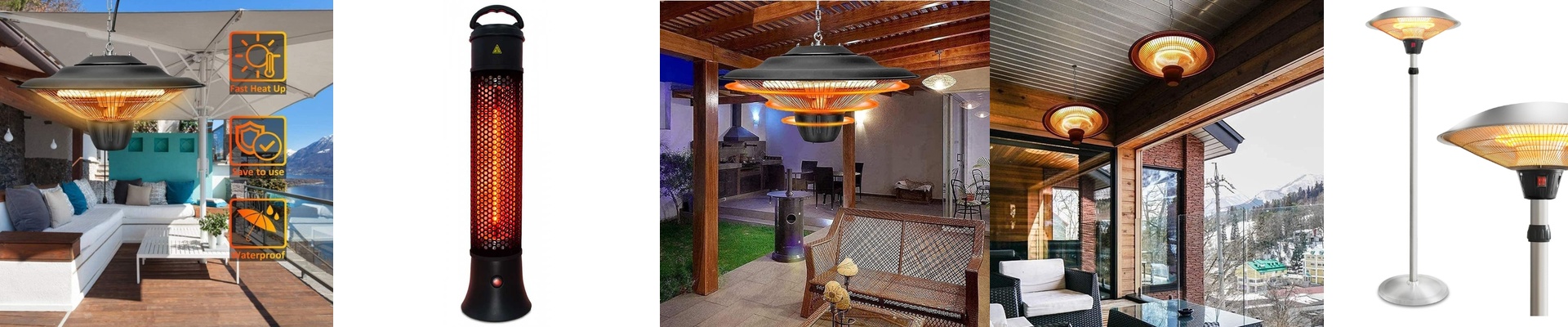

A big warehouse in winter has its own kind of quiet—cold, heavy, and loud in its own way. Heat rises and disappears, and the folks working near the docks feel every bit of it. Forced-air systems fight an uphill battle, dumping warmth up near the ceiling while the floor stays chilled. The outcome is uneven comfort, higher energy bills, and productivity that takes a hit. We built our electric infrared heaters to fix that, putting heat right where it’s needed—on the people and the work zones.
What actually matters under the hood
Our industrial infrared heaters lean on medium-wave quartz tubes or carbon fiber elements to deliver radiant heat. It travels through the air without heating the air first, so the warmth is directional. Step into the beam and you feel it—fast, direct, like sun on a cool day. Most units run on 220–240 V, with power from 1.5 kW up to 8 kW, so you can match the output to the zone you’re covering. A built-in thermostat keeps the area at the set temperature, and many models include tip-over protection and IP ratings for spaces that deal with dust and splashes.
Why this approach makes sense in a warehouse
You don’t need to heat every cubic meter of a large space—just the people and the active work areas. Infrared heaters warm objects and skin directly, so comfort arrives quickly. That targeted focus can cut energy use compared to systems that keep reheating air, especially when doors are opening and closing all day. Workers stay comfortable without the whole building feeling overheated, and the equipment near docks gets immediate warmth. That steady comfort helps keep workflow consistent and reduces the slowdowns that cold weather brings.
The details that make it work
Infrared warmth does its best work when the beam is aimed right and the path stays clear of big obstructions. Mount units at height and angle them toward workstations and aisles for the best results. Keep in mind, radiant heaters deliver spot comfort—they aren’t meant to evenly warm an entire warehouse. Plan coverage in zones, and consider adding a few units to cover shared break areas. As an electric heater supplier in China, we can help size the layout to fit your space, voltage, and load limits.