


When the sun bails early and the glass starts to bite, the greenhouse turns into a race against the clock. Seedlings stall. Cuttings sit there. One cold night can wipe out a week of careful work. You need a greenhouse heater that puts warmth where it matters—right at plant level—without turning the air into a desert or burning through energy.
What matters, under the hood
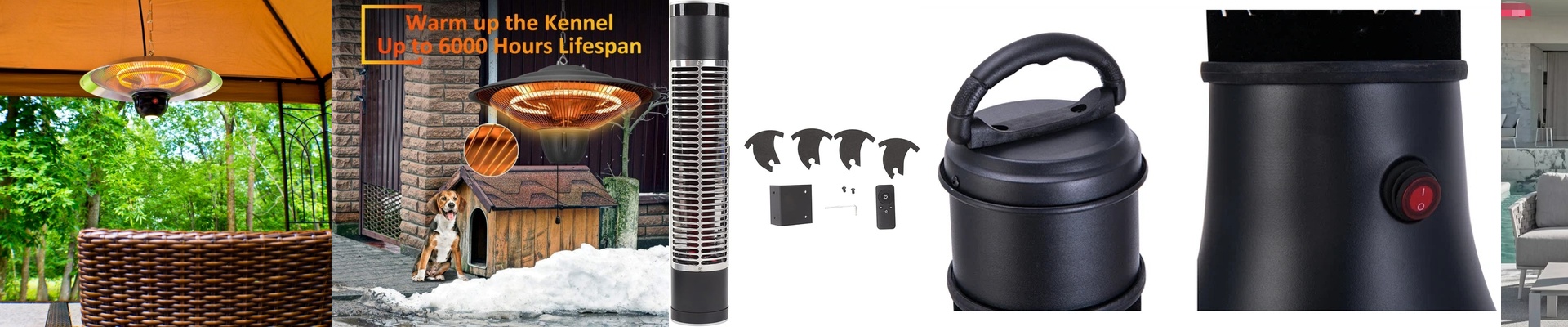
We built this greenhouse heater around infrared radiant heat, using a long-life carbon fiber element that throws gentle, directional warmth. It doesn’t chase the air temperature; it warms leaves, soil, and benches directly. So when the door swings open, the plants don’t feel the shock. A built-in thermostat keeps things inside your set band, so you don’t get the big swings that stress young plants. It runs on standard electric power, draws a sensible current, and comes in sizes that sit on a workbench or hang overhead—depending on the model—so you can put the heat where your plants need it most.
Why this approach works in a greenhouse
Comfort here isn’t about people—it’s about keeping growth steady. Radiant warmth helps seedlings keep pace, carries cuttings through the night, and keeps fruit trees and winter greens from going dormant when the temperature drops. Because the heater warms surfaces directly, it can hold a stable microclimate without pushing air around. That means fewer drafts and less moisture loss. In practice, that translates to fewer heating interruptions, more predictable cycles, and less worry when the weather turns.
The practical details you’ll want to get right
Infrared greenhouse heaters do their best work when the heat path is clear. Position the unit so it radiates toward plant benches, and don’t block the element with shelving or dense shade. For even coverage, match the heater’s output to the room size and set the thermostat to the night-time needs of your crop. One thing to keep in mind: radiant heat warms what it can “see.” If you have very tight corners, you may need a second unit—or plan placement carefully.