
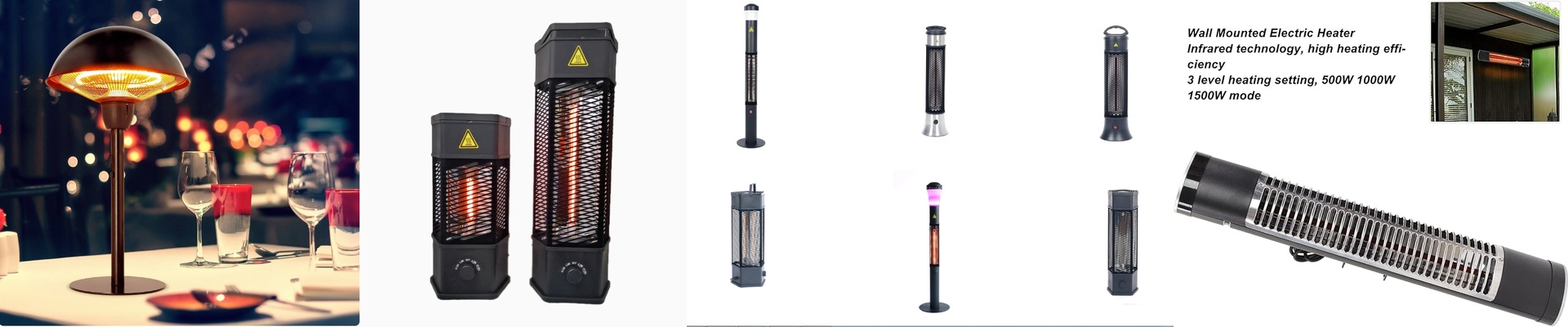
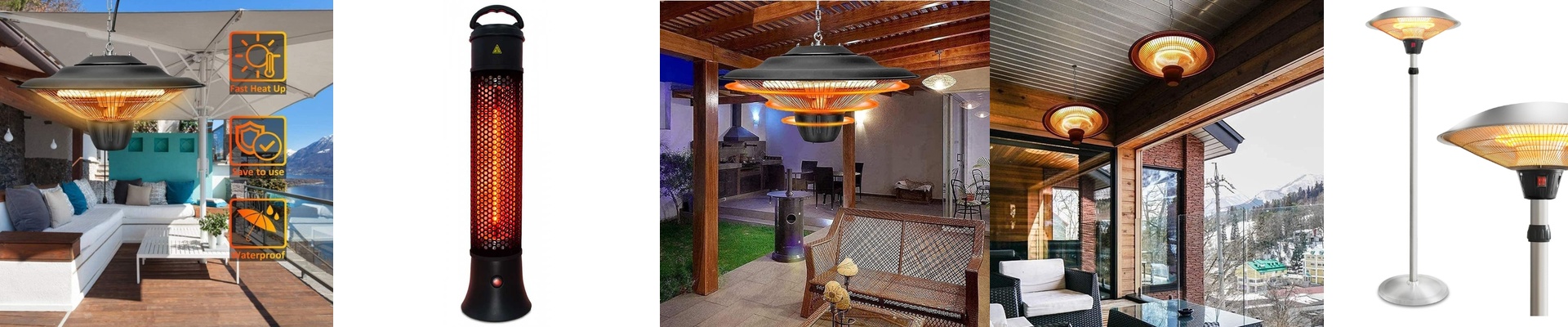
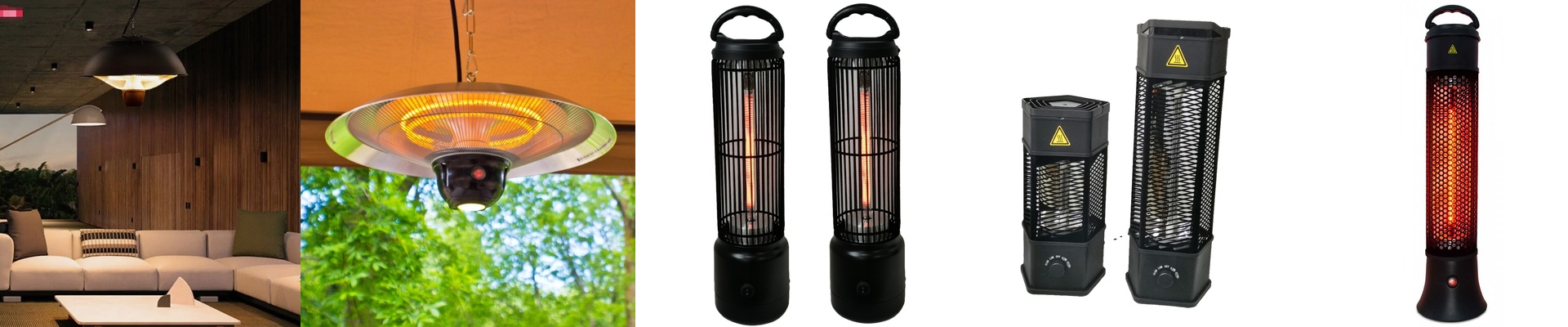
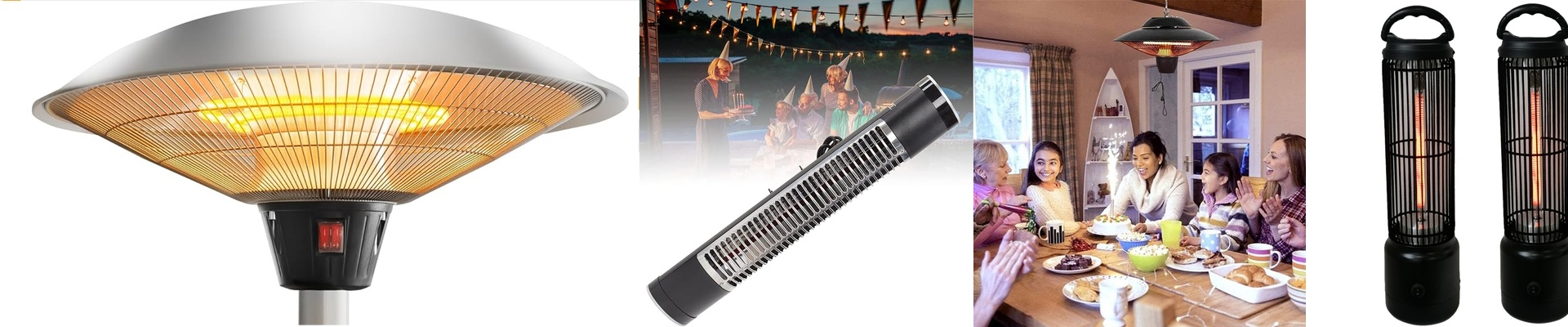

Ever had that north-facing room, or one on a cold slab, that just won’t warm up no matter how long the central heat runs? You’re not the only one. With poor insulation, drafty windows, or an exposed wall, standard convection heat chases warmth around the room instead of putting it where you feel it. That’s exactly where a mini infrared space heater earns its keep.
What matters, technically
Infrared mini heaters deliver radiant heat—warming people and surfaces directly, not the air. The core choices are halogen, quartz, and carbon fiber elements. Halogen and quartz give fast, focused warmth with a bright glow. Carbon fiber spreads a gentler, more even warmth with a lower glow. When you size one, think in kW. A compact 1.5 kW unit fits a well-insulated den or bath around 150–200 sq ft. For a north-facing room or a space with single-pane windows, step up to 2.0 kW for 200–300 sq ft. In a drafty workshop or a poorly insulated sunroom, 3.0 kW helps offset heat loss. Every model plugs into a standard outlet, runs on 120 V, and comes with a built-in thermostat, tip-over protection, and overheat sensors.
Why it works in these spots
Match wattage to the room’s orientation and insulation, and you feel comfort faster—without overheating the air. Radiant warmth hits within seconds, so you can turn the whole-house thermostat down a notch and still stay cozy. Energy goes where you are, not into empty corners. The payoff is steadier comfort, lower energy bills, and less waiting for the room to catch up.
The practical details
Mini infrared heaters aren’t built to heat an entire home. They’re spot heaters, so put the unit within your line of sight, a few feet away, for the best comfort. Keep a 3-foot perimeter clear of combustibles, and don’t run one in very damp areas unless the model is IP-rated for moisture. In rooms with high ceilings, go with a higher-wattage unit or add gentle air movement to keep warmth from stratifying.