

How to pick the right infrared heater for your bathroom
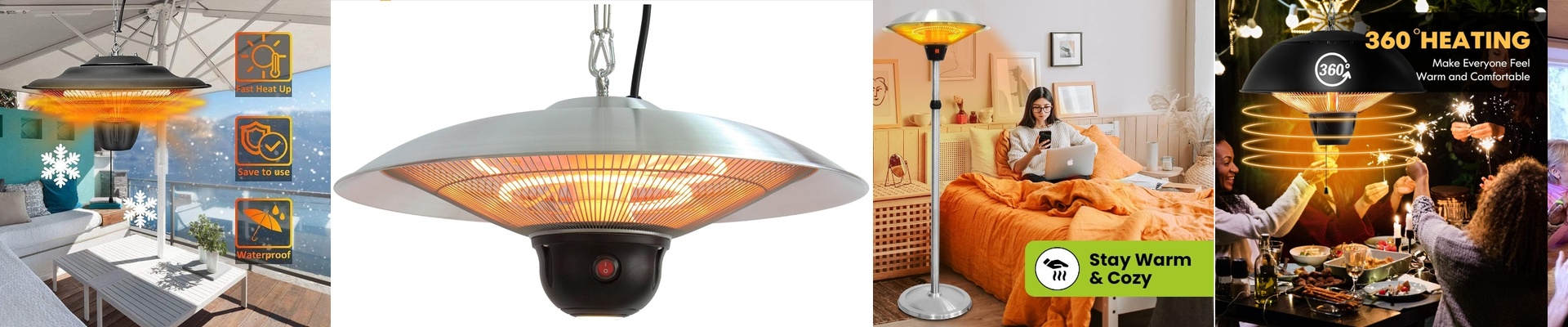
When you’re looking at ceiling heaters, your first instinct might be to just grab the one with the biggest number on the box. But honestly? That’s usually a mistake. It’s more about finding a balance. You want to feel warm the second you step out of the shower, but you don’t want to turn your bathroom into a sauna or waste a ton of electricity.
Getting the power right
Here is the thing about infrared: it doesn’t actually heat the air. It heats you. If you have a tiny bathroom—say, under 4 square meters—you don’t need a beast of a machine. A small 250W to 500W lamp is plenty. It keeps your skin warm without making the room feel stifling. If you throw a 1000W unit in a space that small, you’ll end up with one scorching hot spot right under the lamp while the rest of the room stays chilly. Not ideal. For the bigger bathrooms (around 6 to 10 square meters), you’ve got more ground to cover. The heat has to travel further from the ceiling to the floor, and it spreads out as it goes. That’s where the 800W to 1200W options come in. They have the muscle to push that warmth down to where you actually feel it.
A quick heads-up on your wiring
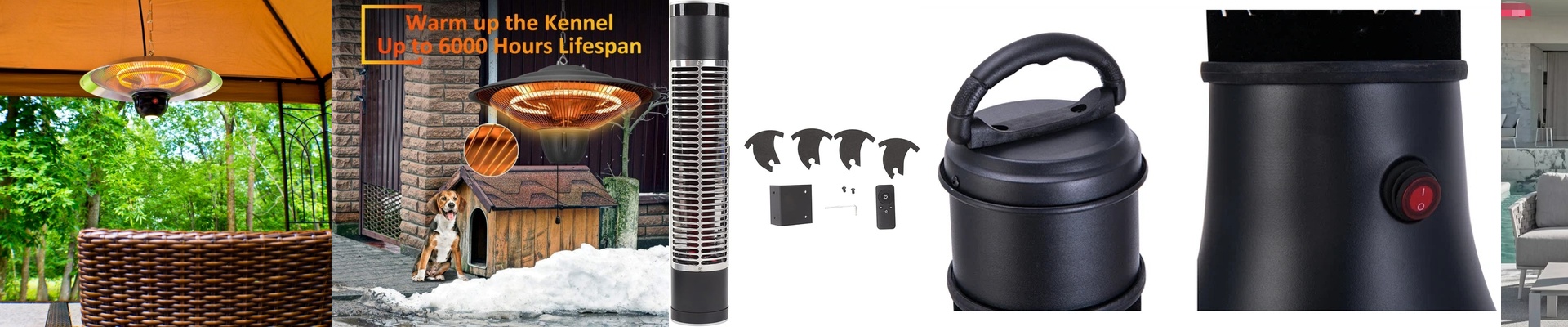
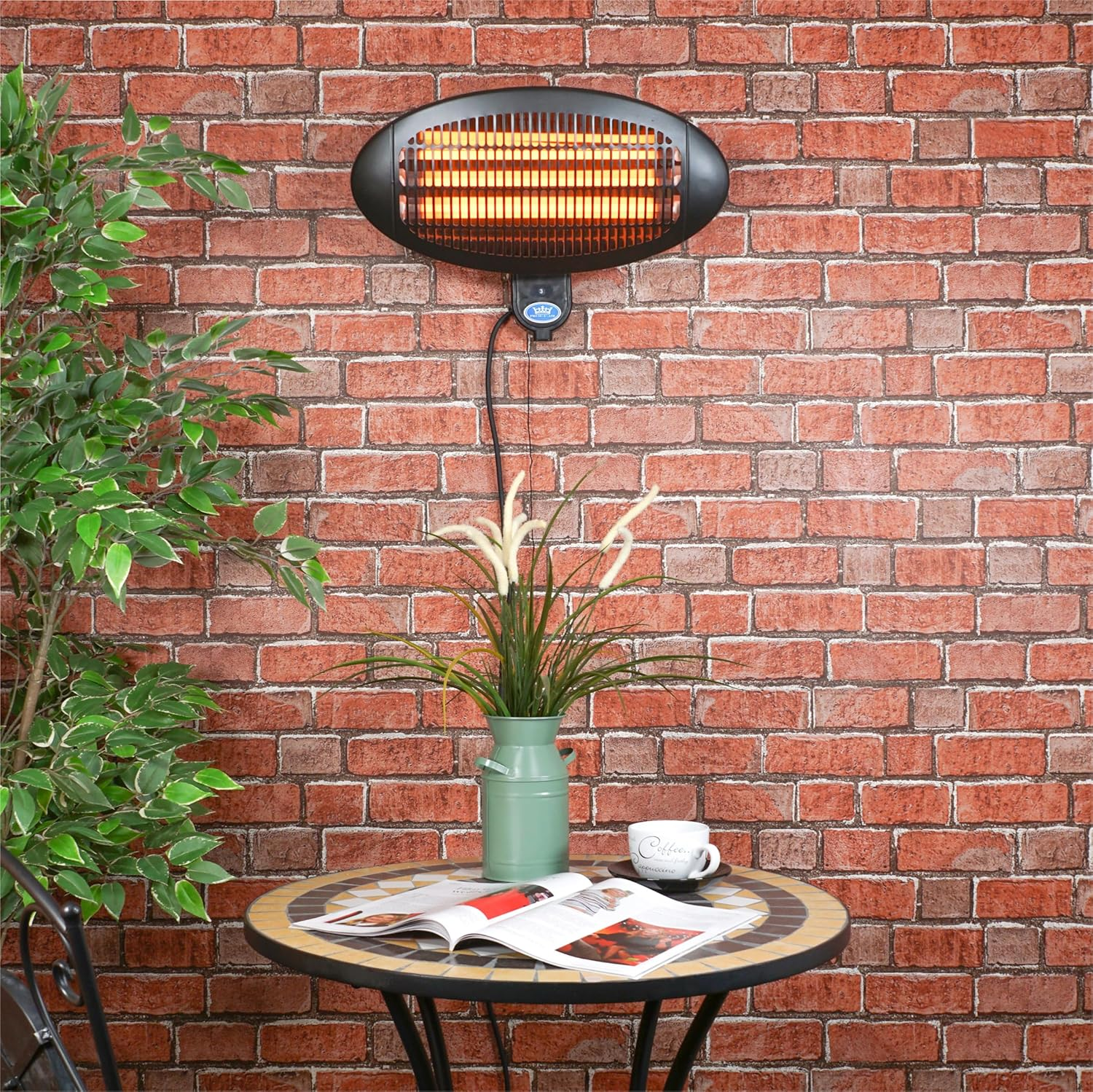
Before you go for the high-power stuff, take a look at your electrical setup. A 1200W lamp pulls a lot more juice than a small one. If your home has older, thinner wiring, you might find yourself tripping the breaker or, worse, overheating your junction box. It’s worth double-checking your circuit breakers first just to be safe. Also, you’ll notice most of these use quartz elements. I like these because they’re “short-wave,” which is just a fancy way of saying they hit you with heat instantly. No waiting around for the room to warm up.
The smart way to stay warm
If you want the best experience, don’t rely on one giant heater in the middle of the room. Instead, try a few smaller lamps spread across the ceiling. It feels much more natural. You get a gentle, even glow of heat instead of that “burnt skin” feeling you get when you’re standing directly under one powerful beam. And a pro tip: hook them up to a timer or a motion sensor. There’s nothing worse than realizing you left the heater running for three hours in an empty room. A sensor just kills the power when you leave, which keeps your electric bill from spiking.