

The Reality of Bathroom Heating
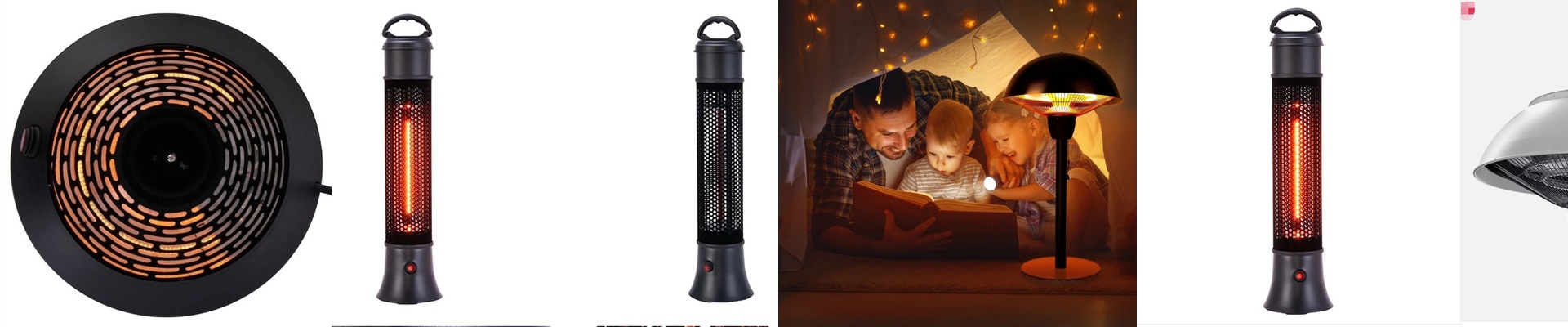
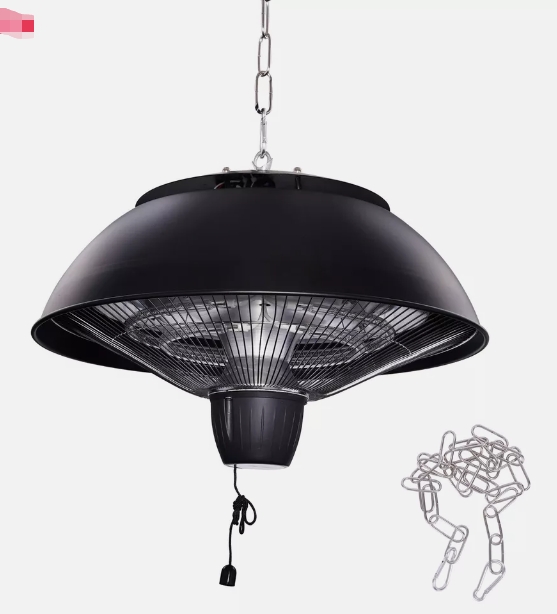
Let’s get real. Bathrooms are brutal on electronics. It’s wet, it’s humid, and it’s unforgiving. That’s why we build our infrared heaters for one specific place: the bathroom. We don’t just aim for an IP55 rating because it looks good on paper. We need it. It’s the absolute bare minimum to survive daily spray and steam. But just surviving the water isn’t enough. We have to make sure the guts of the unit can handle the heat and moisture, day after day, without quitting.
The Test That Makes It Tough
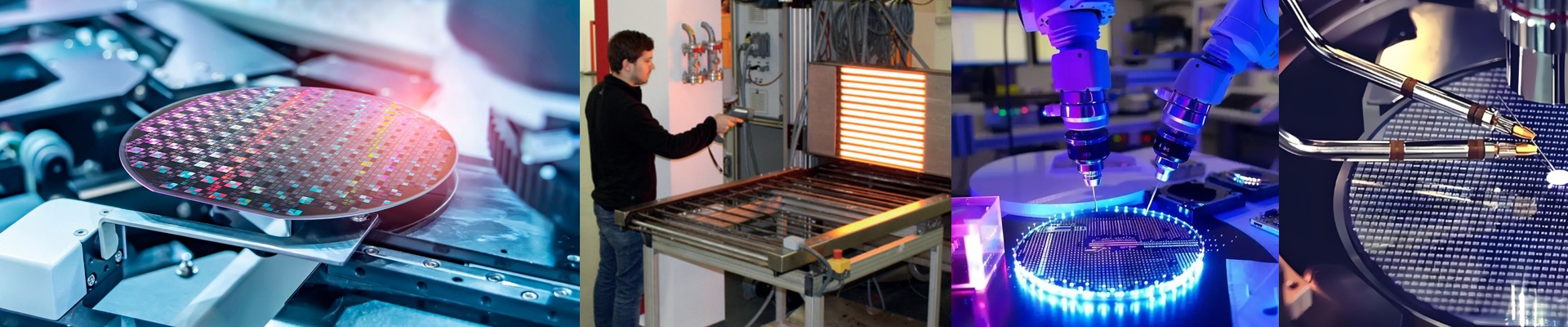
A quick bench test in a dry room? That just tells you if the lamp turns on. It doesn’t tell you if the internal seals will still be holding after 5,000 hours of switching between full power and a steamy 90% humidity. So we put every single unit through a brutal hygrothermal aging cycle. It’s a stress test that forces the materials to show their weaknesses early. We want them to fail in our factory, not in your bathroom. The test throws the heater into a world of constant thermal shock and condensation. If the quartz tube seals are weak, the gas inside breaks down. If the wire insulation is cheap, it cracks. It’s a pass-or-fail test. There’s no middle ground.
Designed to Take the Hit
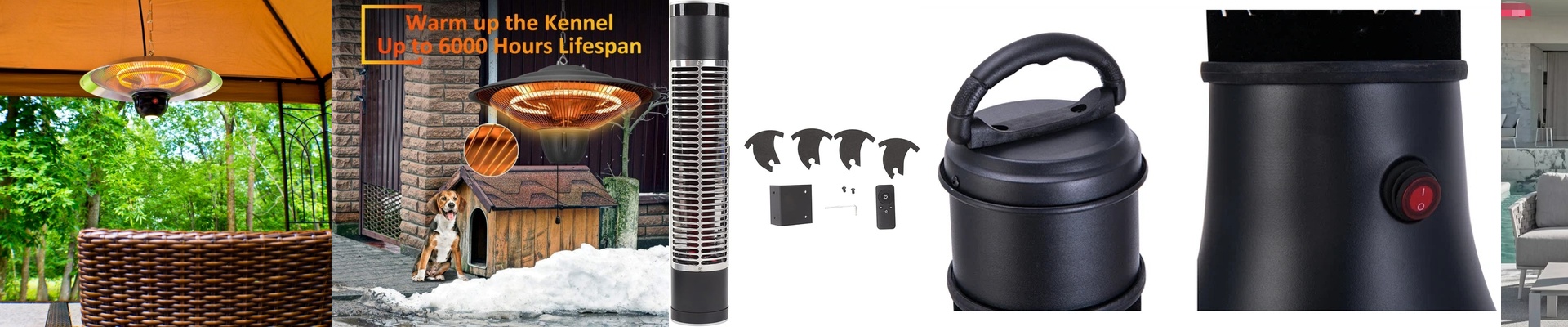
It all starts with what we choose to build it with. We use heavy-duty halogen elements inside a reinforced quartz tube. This combo handles those rapid temperature swings without cracking under pressure. And to keep that IP55 seal, we use a solid gasket and a fully enclosed housing. Then there’s the R7s connector. We picked it for a simple, practical reason: it’s a standard fit. That means if a lamp ever burns out, you can swap it in minutes, not hours, and without needing a tool. We could have gone with a hard-wired connection to save a few pennies, but that would make service a headache. We care more about keeping things running and making maintenance easy.
The Payoff: It Just Works
All this testing and tough engineering leads to one thing: a heater that delivers steady, reliable infrared heat. No premature failures. The aging test ensures the lamp keeps its output steady over its whole life, even when it’s constantly bathed in steam. The result? Fewer warranty claims. Fewer late-night service calls. Now, there’s a small trade-off. A high-wattage halogen lamp throws off serious heat, so the unit needs proper clearance and a solid mounting spot. But get it installed right, and you’ve got a heater that can take a beating and keep on working.
Built for the Bathroom, Built to Last
These heaters were born for the specific challenge of a humid bathroom. The IP55 rating keeps the water out, while the aging test proves the materials are built to last. For the people who have to spec and manage these things, it means predictable performance and a lower cost of ownership. It’s the combination of a proven halogen element, a rugged quartz tube, and that easy-to-replace R7s connection. This isn’t just a heater. It’s a dependable piece of equipment, built to handle the worst your bathroom can throw at it.
The Real Bottom Line
We don’t cut corners on the aging test just because it costs more. We do it because a failure in the field is far more expensive—and a lot worse for your reputation. Our IP55 infrared heaters are built to meet the spec, wire up cleanly, and just perform. They’re designed to be a drop-in replacement you can trust when the pressure is on. Because at the end of the day, the test doesn’t just back up the promise. It proves it.
Quick Look at the Specs
***Protection Rating:**IP55, so it’s protected against water spray and dust. ***Technology:**Uses a halogen infrared element for efficient, radiant heat. ***Connector:**Standard R7s base, so you can replace a bulb in minutes. ***Testing:**Every unit goes through a 100% hygrothermal aging test to prove it’s tough. ***Application:**Engineered specifically for high-humidity bathrooms.