
Let’s Talk About Ceramic End Caps for IR Emitters
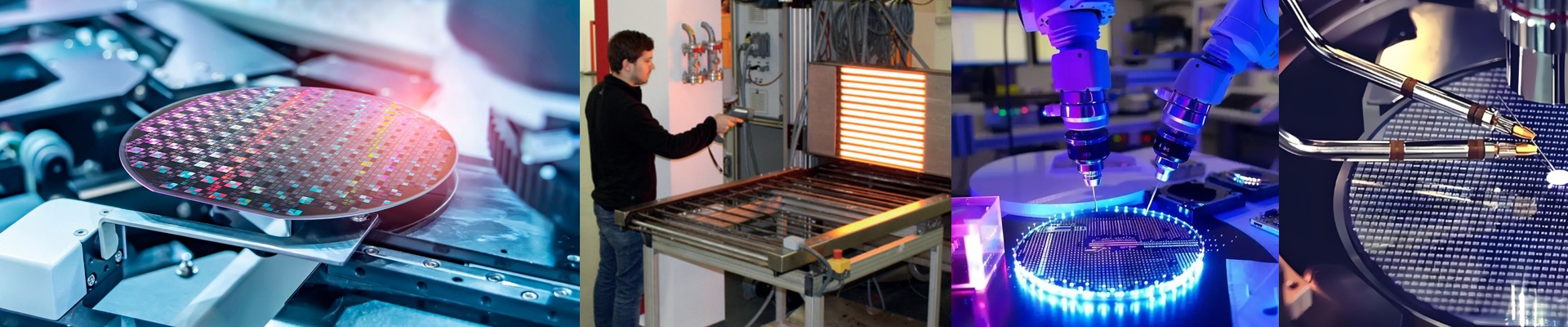
If you’re working in semiconductor curing, you’ve probably already made the switch to IR emitters. It’s the right move—going lead-free and eco-friendly isn’t just about following rules; it’s about getting rid of those old, messy solvent-based drying systems and using direct radiant heat instead. But here is the catch: to keep those emitters from dying early, you need a solid ceramic end cap.
Keeping Things Cool (and Stable)
Think of the end cap as a thermal shield. IR emitters get incredibly hot. Like, really hot. If that heat creeps backward into your wiring or power supply, your connectors are going to fry. That’s why we stick with high-purity alumina ceramics. They can take the heat without warping or losing their shape. Plus, in a cleanroom, you can’t have things “off-gassing” or flaking off. One tiny particle in the wrong place and your whole production line is compromised. Ceramics are inert, so they just sit there and do their job without leaking chemicals or dust into your workspace.
The Tricky Part: Design and Handling
We keep these caps compact because we know space is tight. The goal is a tight seal that keeps oxygen away from the tungsten filament. If that seal fails? Your lamp is toast in a matter of hours. But a word of warning: ceramics are brittle. If your maintenance team is rushing through a lamp swap and gets a bit rough, those caps can crack. Even a hairline fracture can kill the vacuum. Just make sure your mounting brackets aren’t squeezing the ceramic too hard. Give it some breathing room.
Why This Actually Works for You
To hit those “green” standards, you need temperature ramps that are precise. Short-wave radiation from IR emitters handles this perfectly. The ceramic end cap is what makes it possible for the emitter to hit peak temperature instantly without melting your housing. It’s a simple way to ditch those VOC-heavy drying ovens for something cleaner and faster. It’s basically a plug-and-play upgrade for the old, dirty way of doing things.