


Using IR Heating for CNT Fabrication
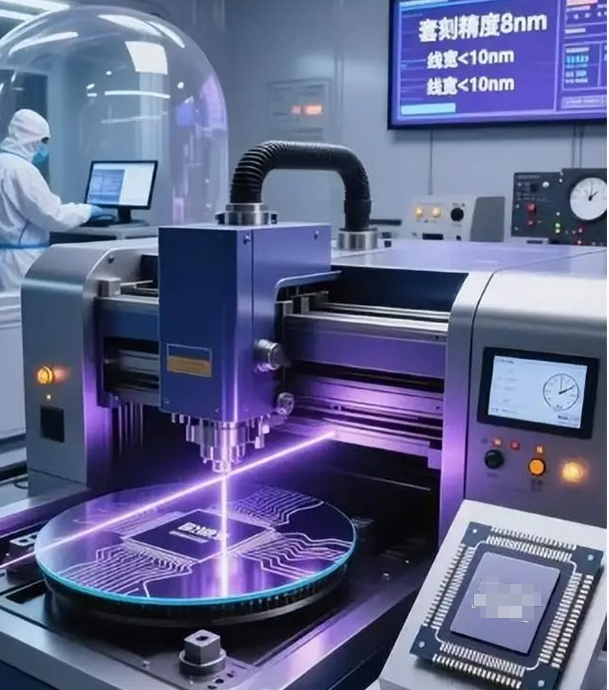
If you’re working with carbon nanotubes, you know the struggle. Getting the catalyst to activate and the carbon to deposit just right requires a level of thermal control that can drive you crazy. For a long time, we all just used resistive ovens. But let’s be honest: they’re slow. You’re basically heating up a giant box of air just to get the substrate hot. That’s why we’ve shifted to infrared (IR) systems. Instead of waiting on the air, IR sends energy straight into the material. It’s fast. Really fast.
Getting the Data Right
You can’t just “set it and forget it” in a modern fab. You need to know exactly what’s happening. We hook these IR systems directly into PLC controllers. This means you can actually see the power draw and surface temps in real-time. No more guessing if your heat-up cycle is actually working. Since we use short-wave IR, you hit your target temps in seconds. Plus, you save a ton of space. You don’t need those massive, clunky insulation shells just to keep the heat from leaking out.
The Nitty-Gritty of Heat
Here’s the thing: if the material doesn’t “want” the heat, it won’t take it. It just bounces off. To fix that, we use specific quartz or ceramic emitters. We tune the wavelength to match the CNT substrate so the energy actually sinks in. But you have to be careful with your power density. If you cram too many watts into one tiny spot, you’ll get hotspots. That’s a nightmare for CNT alignment—it ruins everything. We spend a lot of time balancing the wattage and voltage to make sure the heat is spread evenly across the whole zone.
The Trade-offs (And the Warnings)
Now, it’s not all magic. High-intensity IR dumps a massive amount of waste heat into the chassis. If you go for a high-wattage array but forget to beef up your exhaust or cooling loops, your electronics are going to overheat and trip. It’s a frustrating way to kill a production run. You have to make sure your facility’s cooling can actually handle the speed of the heat-up. One last piece of advice? Use high-temp cabling. If you don’t, your insulation will melt before you even finish the first run. Trust me on that one.