
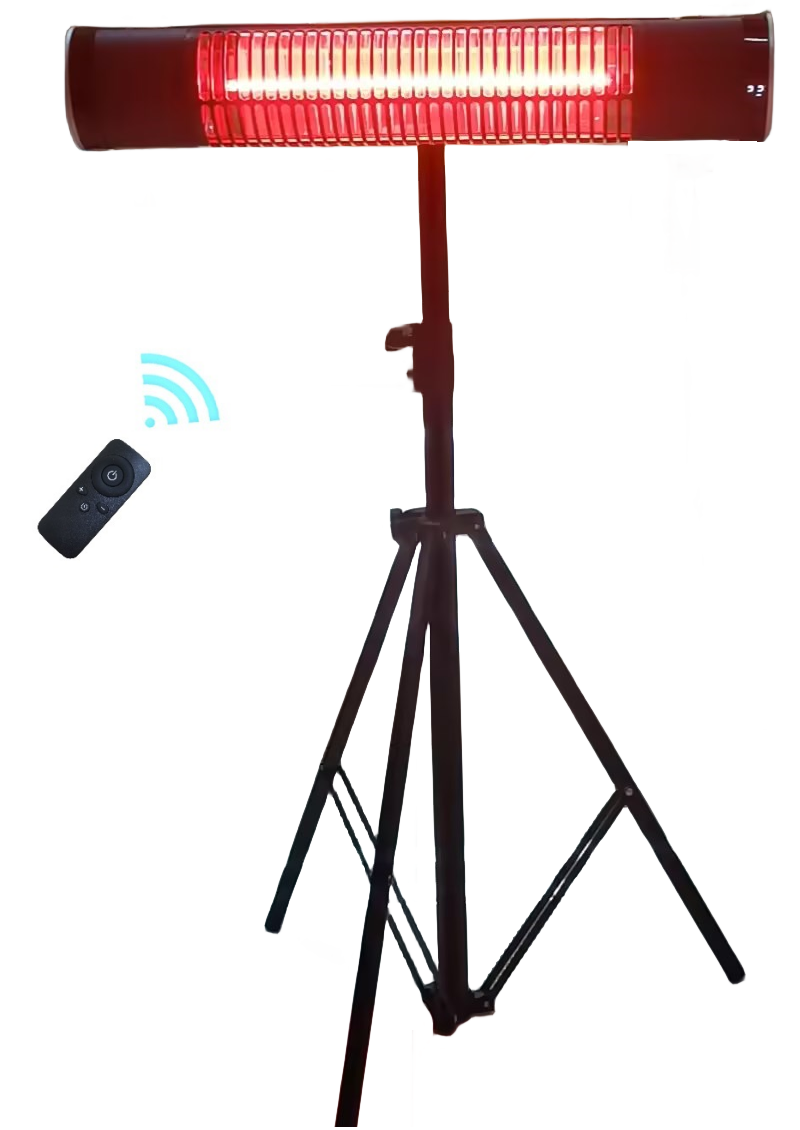
Why we stopped making “disposable” bathroom heaters
Most bathroom heaters are built like a black box. You buy one, it works great for five years, and then one day the heating element pops. Because the tubes are usually glued or hard-wired into the frame, you can’t actually fix it. You just throw the whole thing in the trash and start over. That feels wrong to us. So, we did things differently.
Swapping parts, not fixtures
We decided to treat the heating element like a lightbulb—something you just replace when it’s done. Instead of a sealed tomb, we went with a modular design. If a tube goes out, you don’t have to tear the whole waterproof housing apart or mess around with internal wiring. You just unplug the old module and drop in a new one. It’s fast. Really fast. If you’re managing a busy commercial bathroom, this is a lifesaver. You can swap a part on the spot without having to rip the entire unit off the wall.
The struggle with waterproofing
Here’s the tricky part: usually, “waterproof” means “sealed shut with silicone.” That’s great for keeping water out, but it’s a nightmare for repairs. We found a middle ground using a gasketed interface. It keeps the water where it belongs (outside the electronics) but still lets you get to the core of the heater. Now, to be honest, using connectors instead of a permanent solder joint can add a tiny bit of electrical resistance. We didn’t just ignore that. We used thicker contact pins to make sure nothing overheats at the connection point. It just works.
What this means for your wallet
When you stop replacing the whole unit, your costs change. You aren’t paying for a brand-new chassis and wiring every time a bulb burns out. You just keep a few spare tubes or halogen emitters on the shelf. It takes up way less space in your storage closet, and it’s a lot easier on the budget. You’re maintaining a tool, not buying a new one every few years.