
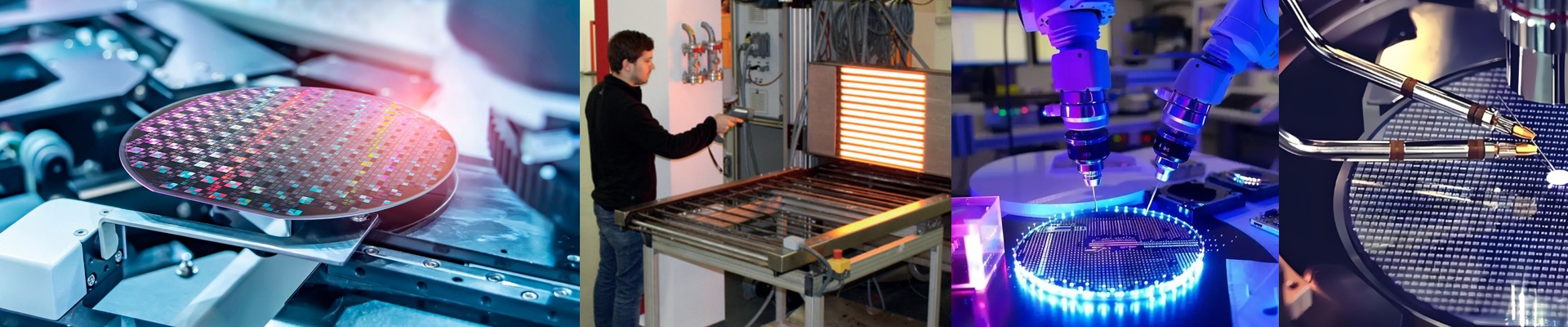

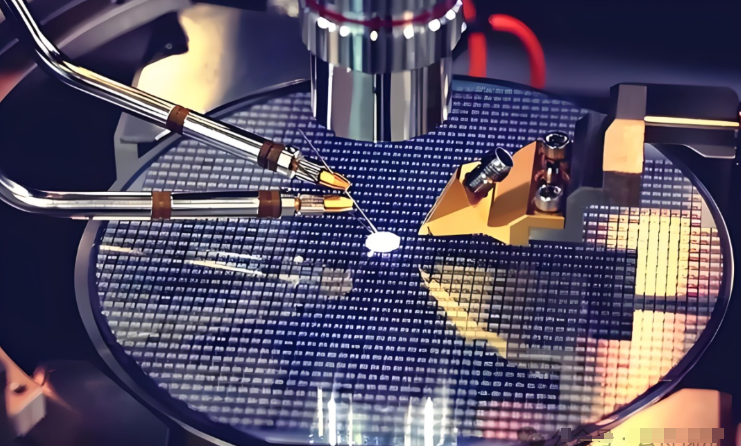
Walk the fab floor long enough and you learn to watch the quiet stuff. A single wafer drying step can burn more energy than the spreadsheet shows, while thermal drift quietly chews up photoresist integrity. We see it all the time: soft bake and hard bake profiles drift, solvent removal gets inconsistent, and particle counts climb with every cycle. The fallout is predictable—scrap, rework, and energy that just vanishes. What matters under the hood Our drying modules hold wafer-level thermal uniformity within ±0.1°C across the chuck, run in cleanroom environments from Class 1 to 100, and generate zero particles right where the work happens. Short-wave infrared heating delivers energy fast and under control, so you preserve thermal budget while clearing solvents quickly. Photoresist bake temperature repeatability stays tight run-to-run, thanks to real-time monitoring and closed-loop control that keep the process window where it should be. Energy use is metered per batch, so you can actually account for thermal process costs. Here’s why it holds up in real production. You get stable drying after wafer cleaning and before lithography, which cuts excursions tied to residual solvent and edge bead. Tighter temperature control improves critical dimension uniformity and lowers photoresist defects. Energy use drops because heat is delivered on demand, not wasted across idle zones. And the hardware is built to run 24/7, with maintenance intervals you can plan around—protecting uptime and keeping spare parts inventory from ballooning. A few practical notes before you spec it in. Installation needs cleanroom-rated power, compressed air, and exhaust that matches the module’s airflow profile. Retrofits can require minor utility reconfiguration. Operators need to stay on calibration for temperature sensors and emissivity settings to keep that ±0.1°C uniformity consistent. When those basics are covered, the energy audit stops being a guessing game—you get real data to tune cycles, trim costs, and protect yield without giving up thermal performance.