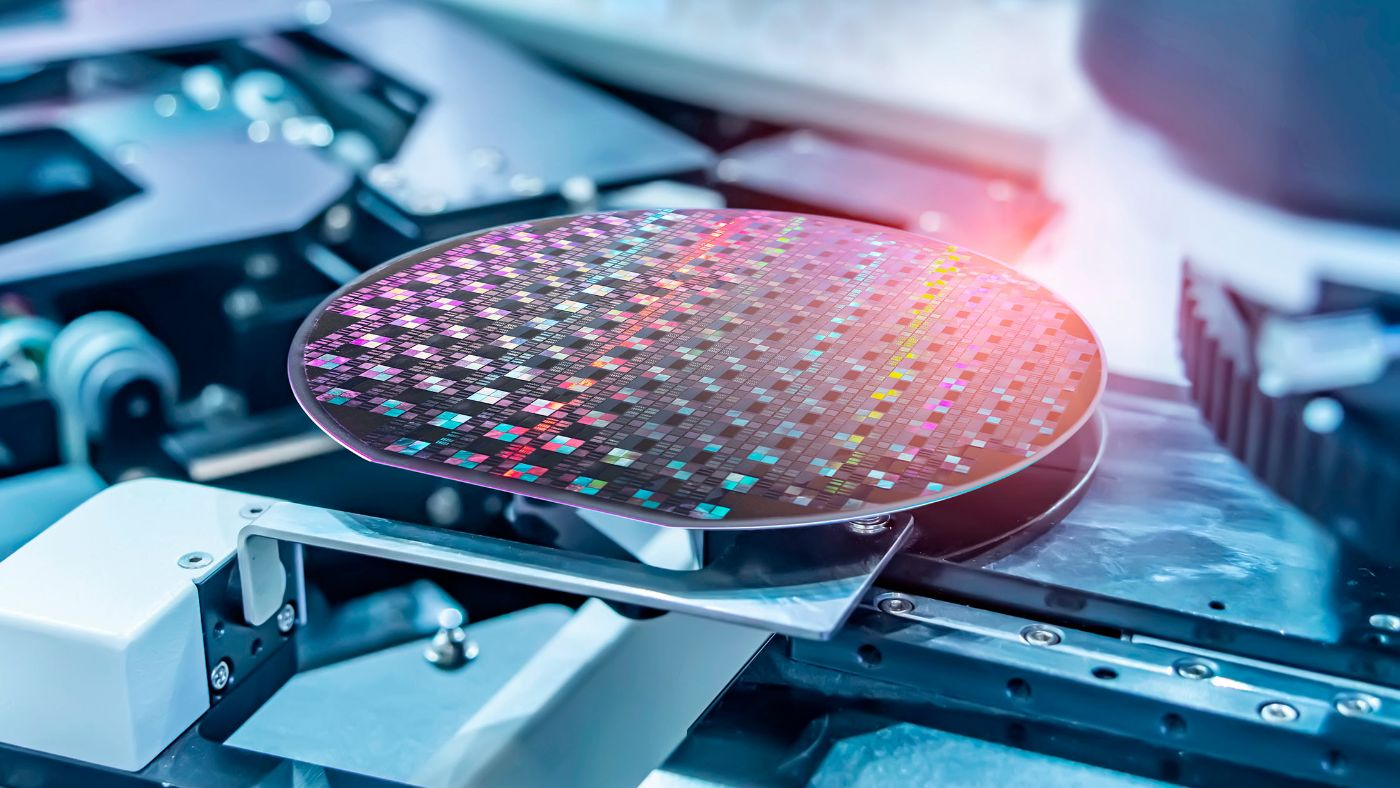
On the 300mm line, unplanned downtime and particles are the enemies. Convection ovens have done the drying and bake work for years, but their ramp is slow, drift shows up, and airflow can kick up particles that push yield off spec. When the process window is measured in seconds and degrees, infrared gives you a different thermal profile—fast, direct, and clean. What matters, technically, is the heat path. Infrared drying hits the wafer surface straight on, using short-wave or medium-wave emitters tuned for rapid, controlled heating. You get wafer-level uniformity within ±0.1°C across the shot, repeatable soft bake and hard bake profiles, and sub-second recovery after the door opens. Cleanroom Class 1–100 is achievable because there are no recirculating fans, and the optical paths are sealed, so particle generation drops to near zero. Energy use comes down, too, because the energy goes into the wafer, not the chamber walls and air. In lithography bays, cycle time and defect control are what you live by. Infrared modules slot into spin tracks and stand-alone bake stations, trimming bake and dry steps without beating up the photoresist. The payoff is tighter critical dimension control, lower defect density, and stable process windows across lots. If you’re running high volume, the reliability holds up: units run 5,000+ hours with less than 5% output drop, which keeps 24/7 operation in play. This is an engineered, validated alternative to legacy convection, aligned to international equipment standards and proven in production equivalents. Here is the thing to keep in mind. Infrared shines for thin films and photoresist when you need rapid, uniform surface heating, but you have to control emissivity and reflectivity across substrates. Implementation means matching the emitter spectrum to the film stack and calibrating temperature sensing to the wafer, not the stage. The retrofit is straightforward, but plan a short commissioning window to lock the profiles and qualify the new thermal budget.