
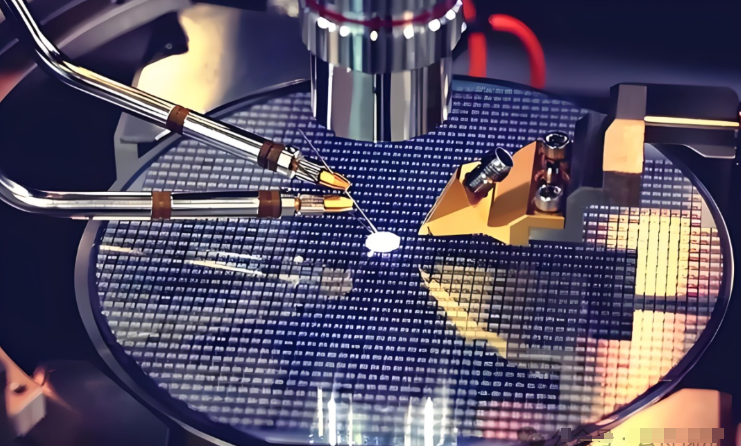
On the fab floor, a sub-1°C drift in the drying chamber is enough to scrap an entire lot. Wafers come out of the clean still carrying trace moisture, and the next step—soft bake, hard bake, or edge bead removal—doesn’t leave room for thermal drift. We built our industrial wafer drying system heater to live with that reality, not fight it after the fact. What matters under the hood The heater leans on short-wave infrared elements that respond fast and hold tight. Across the active zone, wafer-level uniformity stays within ±0.1°C, so photoresist profiles don’t wander lot to lot. The build is cleanroom-compatible from Class 1 to Class 100, using low-outgassing materials and a surface finish that won’t shed particles. In qualified installations, these units run around the clock with no unplanned downtime, and temperature repeatability holds up through thousands of cycles. Why this works in practice The thermal budget in wafer drying and photoresist bake sequences is tight. This heater hits the required ramp rates without overshoot, so you shorten cycle time without risking critical film thickness or CD control. Infrared coupling is efficient, so energy use drops. Fewer maintenance calls translates to fewer spares on the shelf. For line engineers, that means higher yield, SPC that behaves, and a drop-in that meets semiconductor equipment expectations without reworking the station. What to watch for on install You need to match chamber geometry and airflow. We provide dimensional drawings, mounting hardware, and calibration profiles, but verify the tool interface before first use. Keep the exhaust path clear to avoid recirculation, and hold ambient within the specified humidity and particulate window. Run a short qualification to lock in your recipe, then you can run with confidence.