

Why we use Infrared for Cleanroom Trolley Heaters
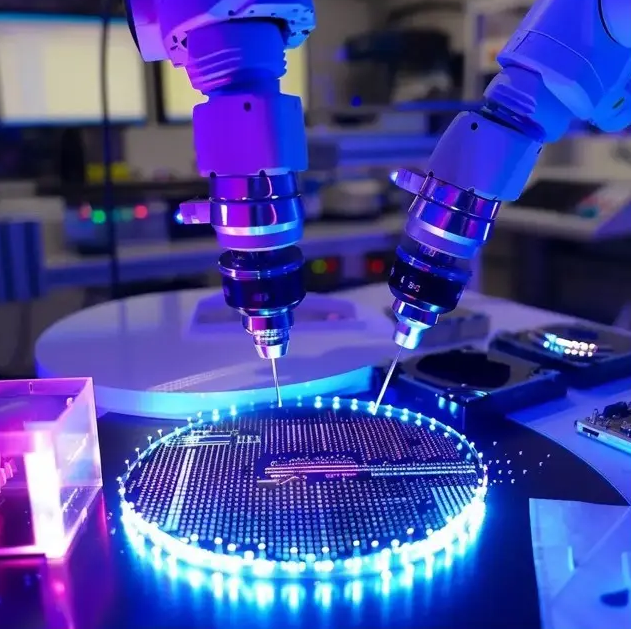
In a semiconductor fab, “clean” isn’t just a goal—it’s everything. Even a tiny bit of residue can ruin a batch. Most people think of heating as blowing hot air around (convection). But in a cleanroom, forced air is a nightmare. It kicks up dust and particulates, which means you end up spending a fortune on massive filtration systems just to scrub the air you’re heating. That’s why we use infrared (IR) curing. Instead of relying on air, it uses electromagnetic radiation. It’s a direct line of energy. No wind, no dust, no fuss.
Getting lead-free drying right
Lead-free soldering is picky. If your thermal profile is off by a hair, you risk frying sensitive wafers. The beauty of IR is that we can tune the wavelengths to match exactly what the substrate wants to absorb. You aren’t wasting energy heating up the room or the metal trolley chassis. You’re heating the workpiece. Period. Because we’ve cut out the middleman, the system hits the target temperature in seconds. It’s fast. Really fast.
Fitting it all in
Floor space in a fab is precious. Since IR lamps don’t need bulky ducts or loud blowers, these heaters fit into a much tighter footprint. We use quartz envelopes and specific coatings so nothing “off-gasses” when things heat up. It keeps your ISO standards intact without taking up half the room.
The tricky part (and how to fix it)
Now, it’s not all magic. High-intensity IR is powerful, but it can be aggressive. If your parts have different thicknesses, you run into a problem: the thin edges get scorching hot while the center is still cold. If your sensors or PID controllers are too slow to react, you’ll end up with warped substrates. Not a good look. To stop that from happening, we suggest using multi-zone control. It lets you balance the heat across the whole trolley, keeping the curing process right in that sweet spot where semiconductor reliability lives.