
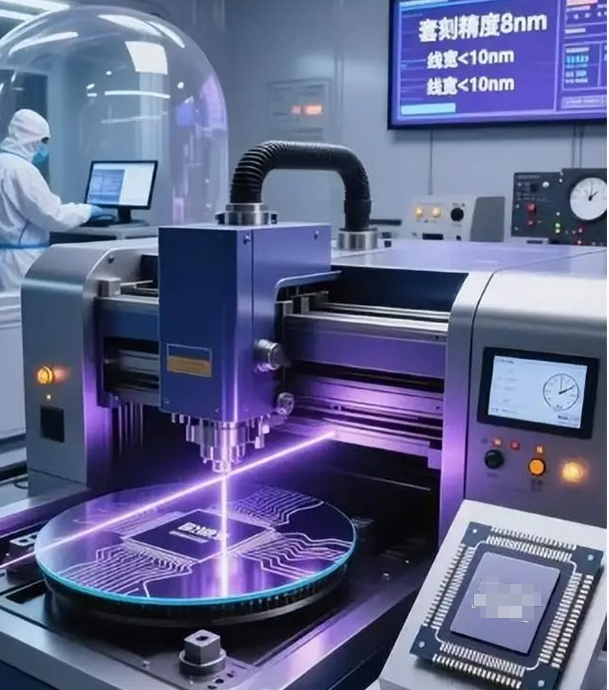
On the fab floor, a 0.5°C drift across the wafer is all it takes to turn a tight photoresist bake into line-width excursions and scrap. We built this heating platform to keep thermal behavior inside the process window, shift after shift. What matters under the hood We hold ±0.1°C steady-state uniformity across the wafer, and setpoint repeatability stays inside that same tolerance band. The platform is cleanroom-native—built for Class 1–100—and it runs without adding particles. Short-wave and medium-wave infrared, with quartz-isolated heating zones, give fast, non-contact thermal response. You control the thermal budget without beating up the wafer surface. Soft bake and hard bake profiles lock in run-to-run, and the system stabilizes quickly, cutting warm-up time and idle energy. Why it sticks in lithography In lithography, that precision means fewer rework lots, lower defect density, and CD control that stays put. Tighter temperature control improves photoresist performance and reduces edge-bead variability—no chemistry tweaks required. Energy drops because the platform hits setpoint fast and holds it without overshoot. It’s engineered to run 24/7 with minimal unplanned stops. The payoff is higher throughput, less scrap, and a lower cost per wafer. What to plan for up front The platform needs a dedicated power feed and a clean, dry air supply to keep thermal stability and cleanroom compliance. Installation tolerances are tight—plan a dedicated footprint aligned to the track interface. Expect a short commissioning window to match the exact bake profiles to your photoresist stack. Once calibrated, the process holds.