

Stopping the Nightmare of Tube Ruptures in Wafer Curing
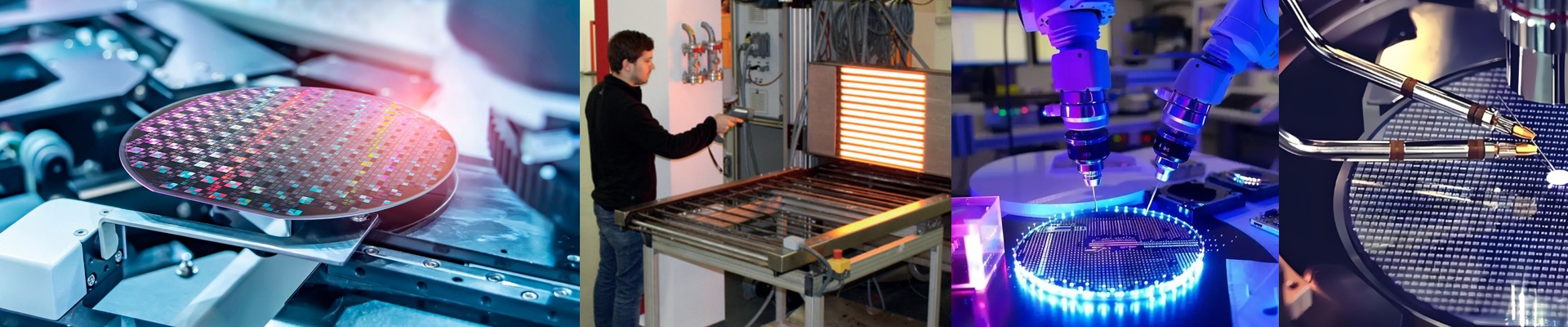
In a semiconductor fab, one single lamp failure can ruin an entire batch of wafers. It’s a disaster. When an infrared tube pops under a heavy load, you aren’t just looking at a stopped line—you’re looking at quartz shards and halogen gas raining down on your product. We build our certified IR curing lamps to make sure that never happens. Keeping your wafers clean Most tubes fail during rapid power cycling. It’s just too much stress on the glass. To fix this, we use high-purity fused quartz with a wall thickness specifically tuned to handle thermal shock. We’ve reinforced the envelope so it can take the internal pressure of the halogen cycle without bowing out. And if you want an extra layer of sleep at night? We offer a protective sleeve. Think of it as a shatter-shield. If the filament goes and the glass gives way, the shield catches everything. Your wafers stay pristine. Dealing with the heat Packing high wattage into a tiny space creates an insane amount of heat. If your power supply is off, you get hot spots. Those hot spots are exactly where the tube will rupture. That’s why we spec our lamps to run within very tight voltage tolerances. It keeps the heat spread evenly across the whole tube. But here’s the thing: your cooling system has to be up to the task. If the housing gets too hot, your seals start to degrade and the lamp’s life plummets. The little things that matter We use standard connectors and brackets because mechanical stress is a silent killer. I’ve seen it happen a dozen times—someone cranks a lamp too tight in the holder, creating a stress point. One thermal cycle later, and snap. Our mounts leave room for the glass to expand and contract naturally. One last tip: swap these out during your scheduled downtime. Please, don’t run them until they pop. Keep an eye on the wattage drop; it’s the easiest way to spot a failure coming before it kills your yield.