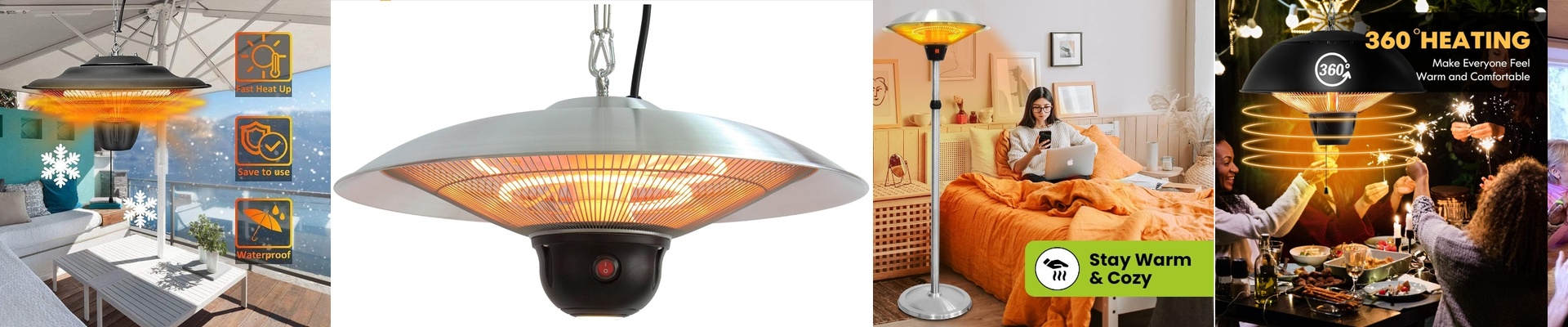
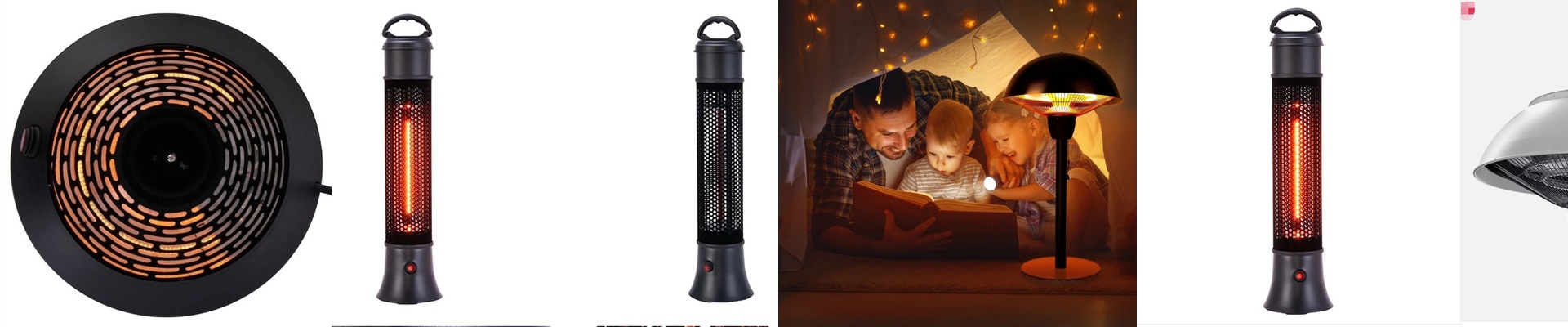
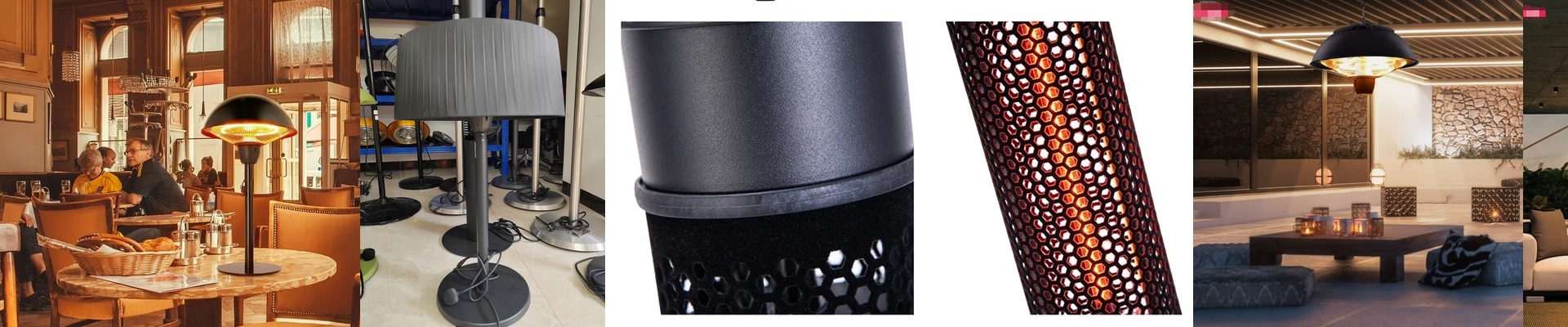
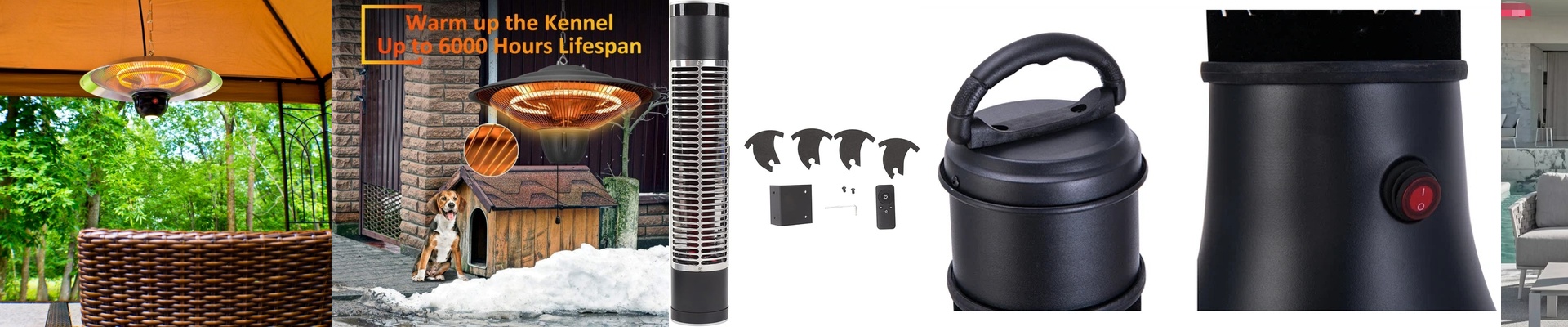
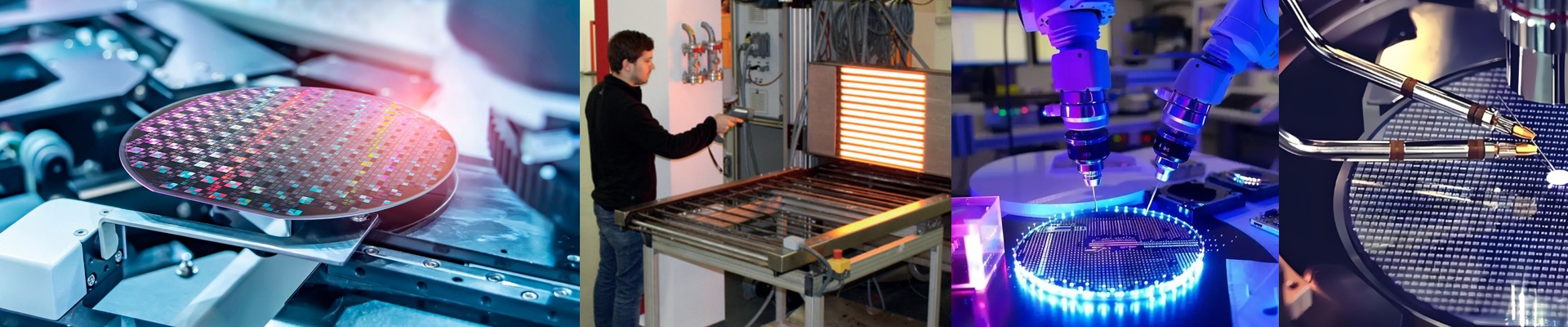
On the lithography floor, soft bake and hard bake aren’t just thermal steps. They’re dimensional gates. A 2°C drift across the wafer will move critical dimensions, and one particle born in the hot zone can scrap a whole lot. So we built a zoned infrared heating module that holds the thermal line where it matters, without adding contamination. The module uses short-wave infrared emitters, arranged in independently controlled zones mapped to wafer geometry. Across the process surface, wafer-level thermal uniformity hits ±0.1°C, and temperature repeatability is ±0.2°C lot to lot. The hot zone stays clean: quartz and reflector assemblies are chosen for low outgassing, and the design produces zero particle generation during steady operation. In Class 1–100 cleanrooms, it holds stable bake profiles with no increase in particle count. Photoresist bake windows tighten, and within-batch CD variation drops. You get real process headroom. Soft bake repeatability cuts edge bead and improves overlay yield. Hard bake consistency boosts adhesion and etch selectivity, so scrap and rework go down. The zoned approach also trims energy use by sidestepping full-chamber idle heating. And the modular architecture lets you swap modules in fast during preventive maintenance, keeping unplanned downtime off the board. Installation comes down to the machine interface and exhaust coupling. Get the module aligned to the carrier path, then purge to the specified flow to keep the hot zone isolated. It fits standard semiconductor equipment footprints, but confirm the wiring and control handshake during commissioning so it matches your MES and PM routines.