

Stop Heating the Ceiling: A Smarter Way to Warm Your Shop
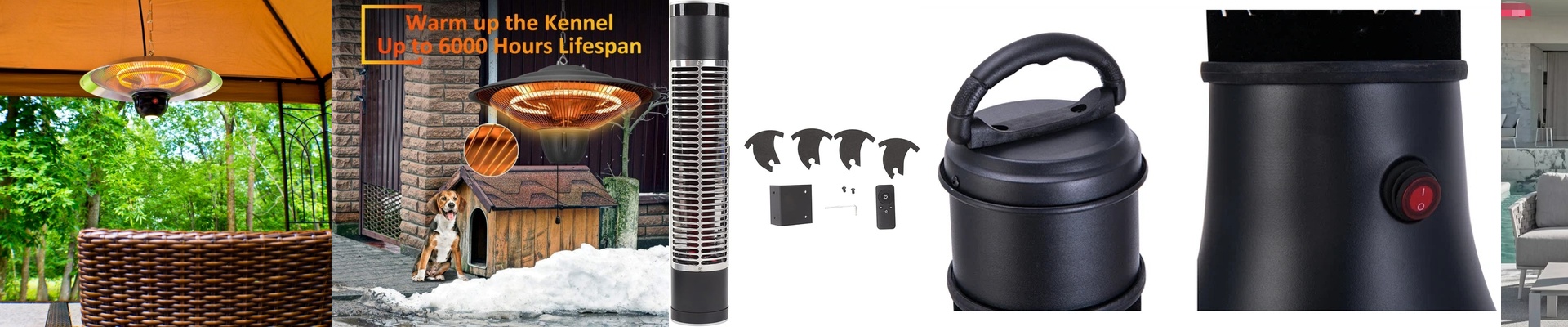
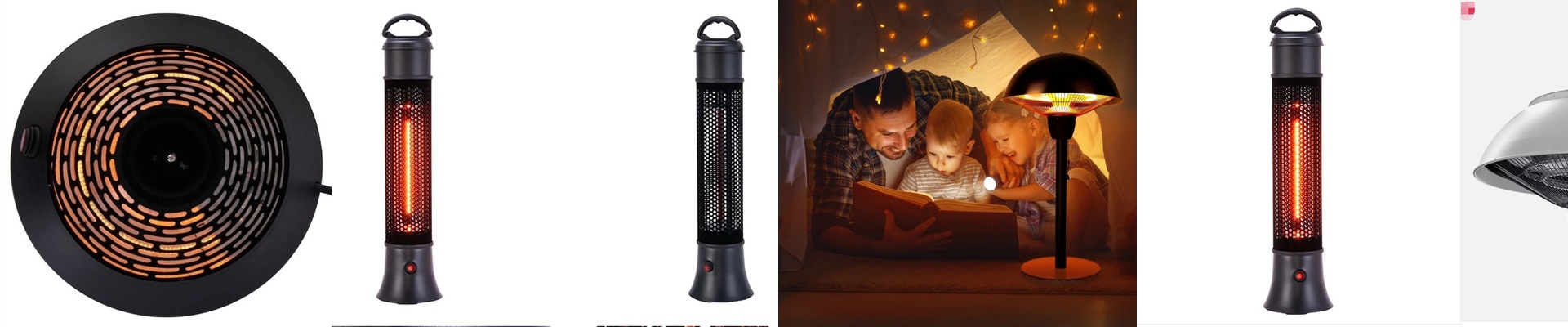
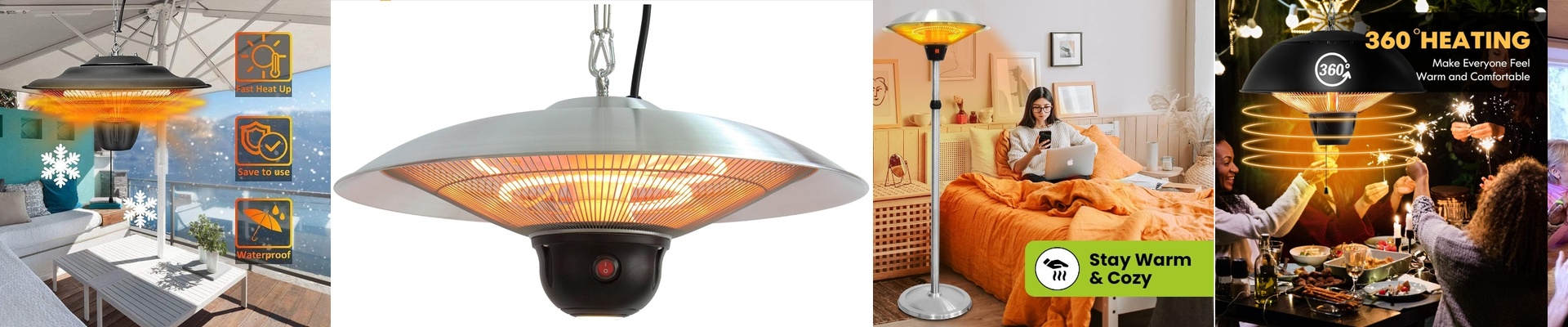
Trying to heat a factory with high ceilings is basically a losing battle. If you’ve ever used traditional heaters, you know the drill: all that expensive warm air just floats up to the roof, while the people actually doing the work on the floor are still shivering. It’s a waste of money and a headache for everyone. We handle this by using infrared (IR) radiators. Instead of fighting the air, these things beam heat straight down to the floor and the equipment. Heat that actually hits you The cool thing about IR is that it doesn’t bother warming up the air around it. It just sends out energy that warms up whatever it touches. When you hook these up to a smart gateway or an IoT system, the “wait time” completely disappears. You don’t have to wait an hour for a boiler to kick in or a furnace to cycle through. You just tap a button on a tablet, the elements glow, and you feel the heat on your skin in seconds. It feels like a spring day in the middle of January, almost instantly. Making it “Smart” To get this working, we basically build a bridge between the heavy-duty power lines and the low-voltage brain of the system. We use relays—the heavy-duty kind—that talk to things like Zigbee, Matter, or your existing PLC setup. You can set it up however you like. Want the heat to kick in only when someone walks into a specific zone? Easy. Want it to adjust based on a temperature probe? Done. The “Gotchas” (Because nothing is perfect) Adding a smart layer does make your electrical panel a bit more crowded. You’re not just flipping a light switch anymore; you’re running a data loop. And here’s a big one:**your network will crash eventually.**When it does, you can’t have your whole plant freezing. That’s why we always make sure there’s a manual override switch. Also, keep an eye on your power. These IR arrays pull a lot of current. If you don’t size your wiring and breakers for the peak load, you’re going to trip a breaker the moment you hit “all on” from your phone. One last tip: these systems are built to survive dusty shops, but the sensors aren’t psychic. If they get covered in grime, they can’t “see” the temperature correctly. Give the lenses a quick wipe every now and then, or your system might think it’s freezing and accidentally bake your employees.