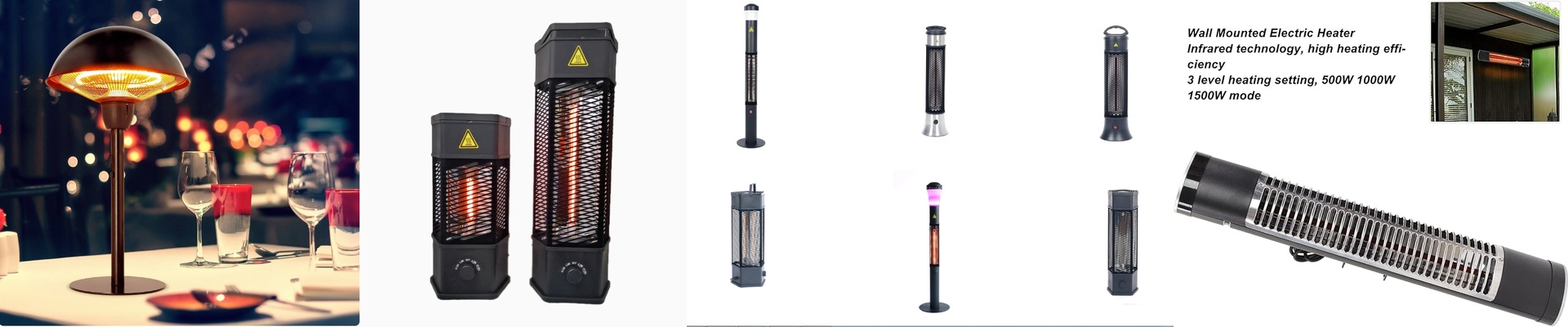
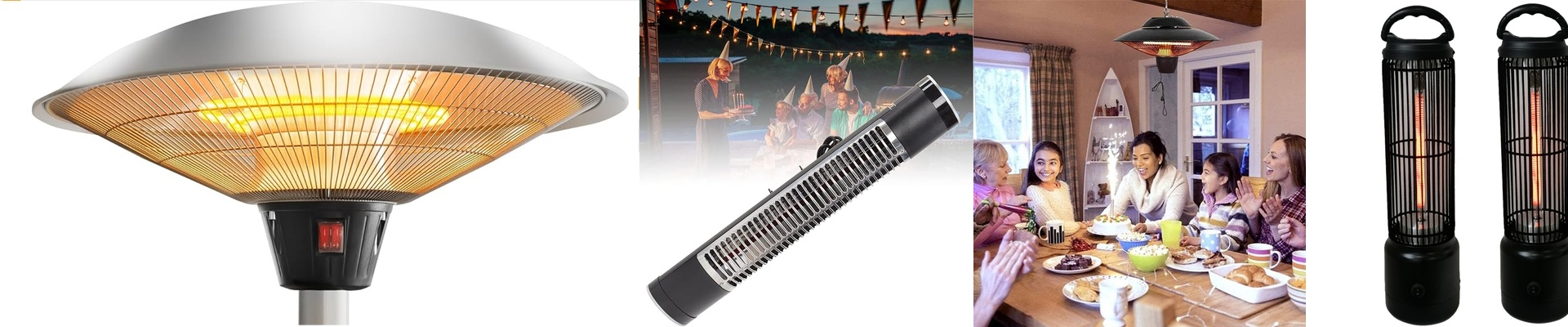

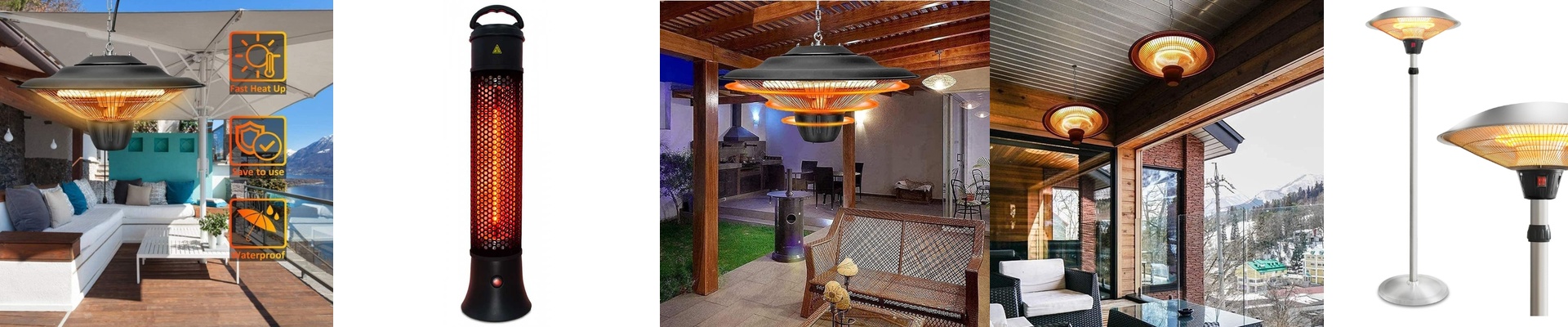
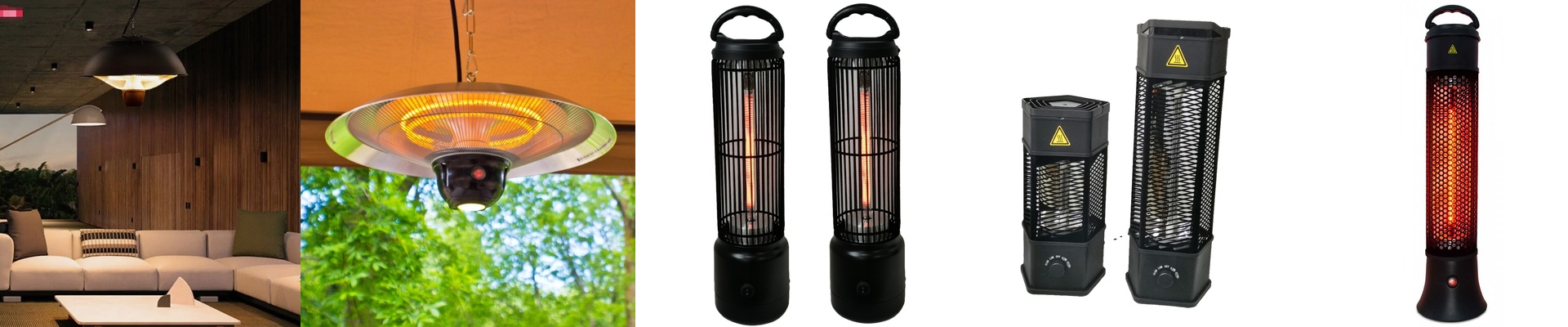

Keeping Your Bathroom Heater Safe (And Your Toes Warm)
Let’s be honest: putting a heater in a bathroom is a bit of a gamble. You’ve got high voltage, steaming water, and cold tiles all in one spot. It’s not just about beating the chill; it’s about making sure the whole thing doesn’t go sideways the moment a stray drop of water hits a hot lamp. You’ll see “IPX4” on the box, which basically means it can handle splashes coming from any direction. But the real magic happens inside the lamp housing.
Why “Explosion-Proof” Glass Actually Matters
Imagine a quartz tube heated to 800°C. Now imagine a single, cold drop of water hitting it. With standard glass, that’s a recipe for a disaster—it shatters instantly. That’s why we use explosion-proof quartz. It’s built to handle those wild temperature swings without cracking. When the glass holds up, your electrical filament stays tucked away and safe from the humidity. It’s a small detail, but it’s the difference between a cozy morning and a very bad day.
The Balancing Act: Sealing vs. Heat
To keep the wiring dry, we seal the joints tight. This stops moisture from jumping the gap between the live current and the chassis. Just a heads-up: make sure your mounting brackets are properly grounded. It’s a simple step, but a vital one. Here is the catch, though. When you seal a heater this tightly to keep water out, you lose some airflow. Because the heat can’t escape as easily, the inside of the housing gets hotter than it would in an open-air setting. Because of that, you’ll want to use wiring that can handle higher ambient heat. You don’t want your insulation melting just because the unit is doing its job.
Getting it Installed Right
These lamps are designed to slide right into your existing bathroom heating setup. Since the glass is the only thing protecting you from a high-voltage filament and a wet floor, we don’t mess around with the materials. A couple of pro tips for the install: First, use high-temp silicone gaskets. And please,don’t over-tighten the clampson the quartz tube. Leave a tiny bit of breathing room—just a fraction of a millimeter. The glass needs space to expand as it heats up. If you clamp it too tight, you create a stress point, and the tube will burn out way sooner than it should.