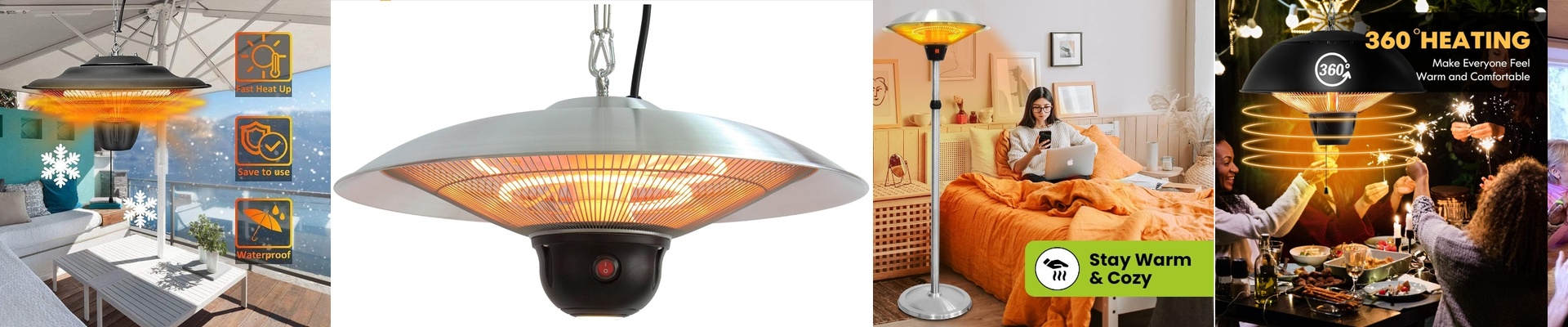
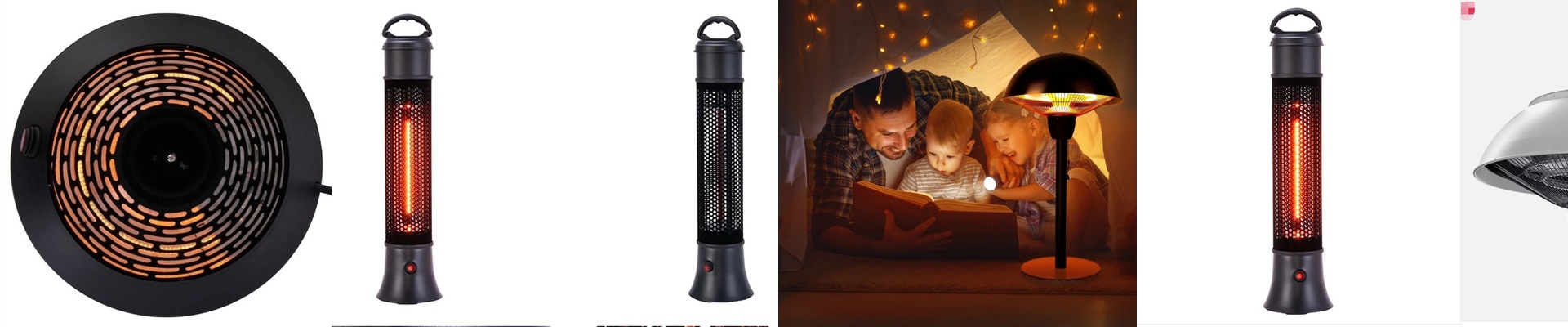

Picking the Right Infrared Heater for Your Bathroom
Getting the wattage right for your bathroom heater isn’t about fancy math or guessing games. It’s just about making sure you aren’t freezing when you step out of the shower, without accidentally turning your bathroom into a sauna. And since we’re talking about bathrooms, you’ve got to go with an IP65 rating. Why? Because steam and splashes don’t play nice with electronics. You want something that keeps the moisture out so you don’t have to worry about a short circuit.
Finding the Sweet Spot for Wattage
If you’ve got a tiny bathroom—anything under 4m²—keep it simple. A 250W to 400W lamp is usually plenty. If you go too high in a small space, it gets stuffy and you’re just throwing money away on your electric bill. For those medium to larger bathrooms (around 6m² to 10m²), you’ll probably want to bump it up to 600W or 800W. But here is the thing about shortwave infrared: it doesn’t really heat the air. It beams heat directly onto your skin and the walls. Because of that, the “reach” of the lamp is pretty limited. If you just put one massive, high-power lamp in a big room, you’ll end up with one scorching hot spot right under the light and freezing cold corners everywhere else. My advice? Use a few lower-wattage lamps spread across the ceiling. It feels much more natural.
The Catch with Sealed Housings
That IP65 seal is great for keeping water out, but it can be a bit of a double-edged sword. Since the housing is sealed, heat can get trapped around the base of the lamp. You want to make sure the fixture has a decent heat sink. If the housing is too cramped for the wattage you’re using, the internals are going to fry way sooner than they should.
Making it Work Better
Since infrared lamps hit their top temperature almost instantly, there’s no point in leaving them on. Pair them with a motion sensor or a simple timer. It’s a tiny change that saves a lot of power. Also, stick to a standard 220V-240V circuit. If the voltage drops, your heat output drops with it. Just a heads-up: if you’re installing several 800W units, check your breaker first. You don’t want to trip the power every time you want a warm bathroom.