
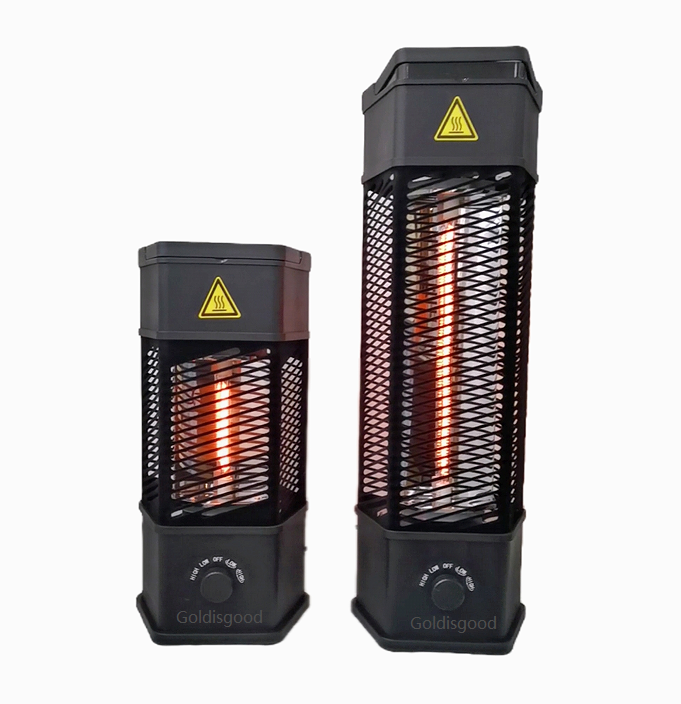
Stop Building Heaters That Are Impossible to Fix
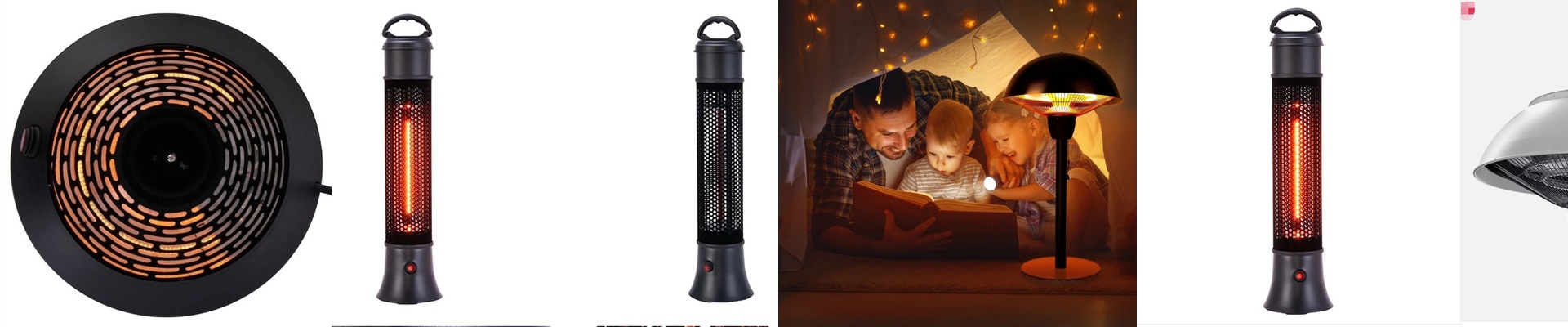
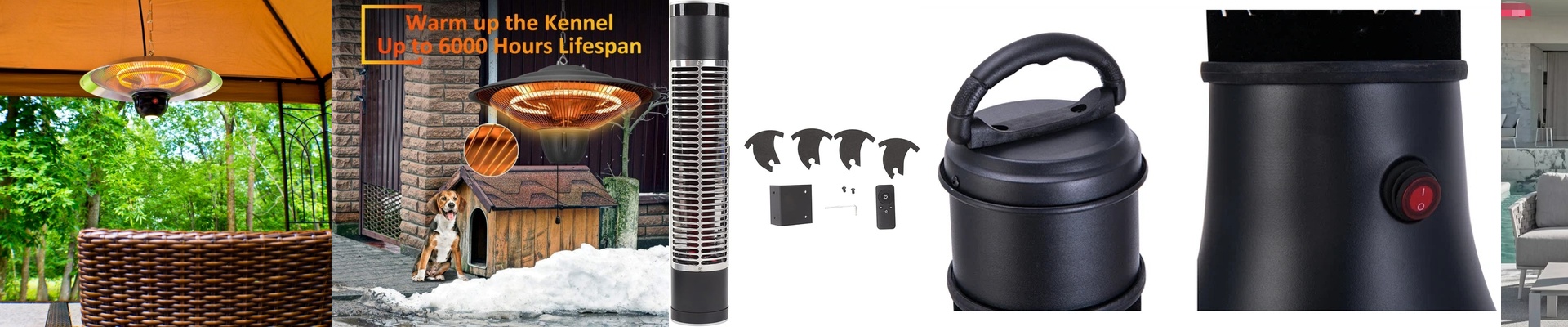
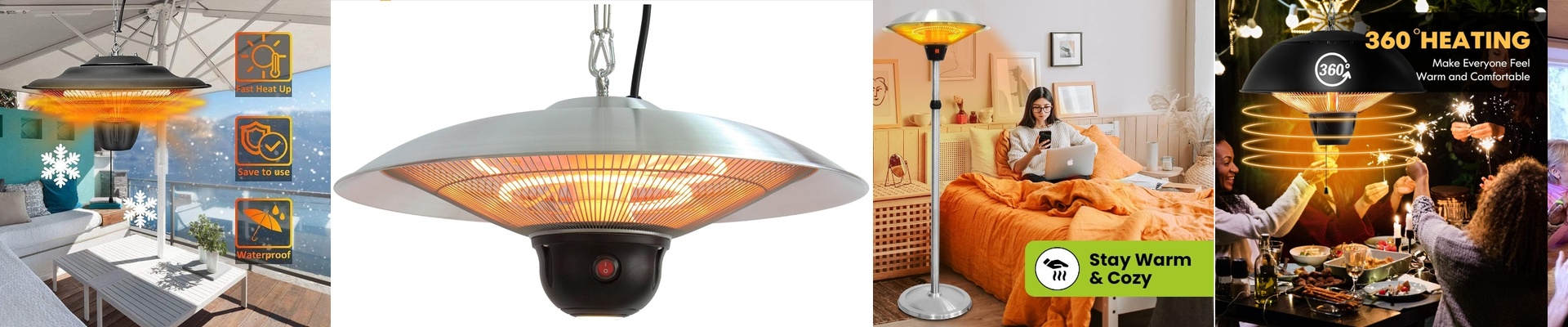
Most industrial heaters are built for day one. They look great coming out of the box, but by year five? They’re a disaster. If a heating element burns out in a typical sealed, waterproof table heater, your technician is in for a bad day. They usually have to rip apart the entire chassis and spend hours fighting with a tangled mess of wiring just to fix one small part. It’s a nightmare. So, we decided to do things differently. We went with a modular setup. The “Swap-Out” Logic Think of the heating modules as independent LEGO bricks. Instead of soldering the infrared tubes directly into the main power line, we use quick-disconnect terminals. Here is why that matters: if a tube dies after five years of heavy use, you don’t have to scrap the whole machine. You just pull the broken module, unplug it, and drop in a new one. It turns a six-hour teardown into a fifteen-minute job. That’s a huge win for anyone actually doing the work. Waterproofing Without the “Tomb” Usually, “waterproof” is code for “permanently sealed in epoxy or welds.” It keeps the water out, sure, but it also locks the hardware in a tomb. If something breaks, you’re basically forced to throw the whole thing away. We took a different route. We use high-temp silicone gaskets and IP-rated enclosures. You get all the moisture protection you need for a wet environment, but the heating modules stay accessible. A Note on the Trade-offs Now, modular designs aren’t magic. They have more connection points than a single soldered circuit. Because of that, you have to be smart about your connectors. They need to be rated for the exact current your tubes pull, or you’ll end up with voltage drops or heat building up at the terminals. If you’re running high-wattage shortwave tubes, just make sure your wiring gauge is beefy enough to handle the peak load. It keeps the plugs from stressing out. What This Actually Means for Your Shop At the end of the day, this means you don’t need a specialist with a soldering iron standing by on the shop floor. Any tech with a basic toolkit can get the heat back on. Your production line keeps moving, and you stop the wasteful cycle of “it’s broken, just buy a whole new unit.”