

Getting More Out of Your Fab Lamps With Quartz Shields
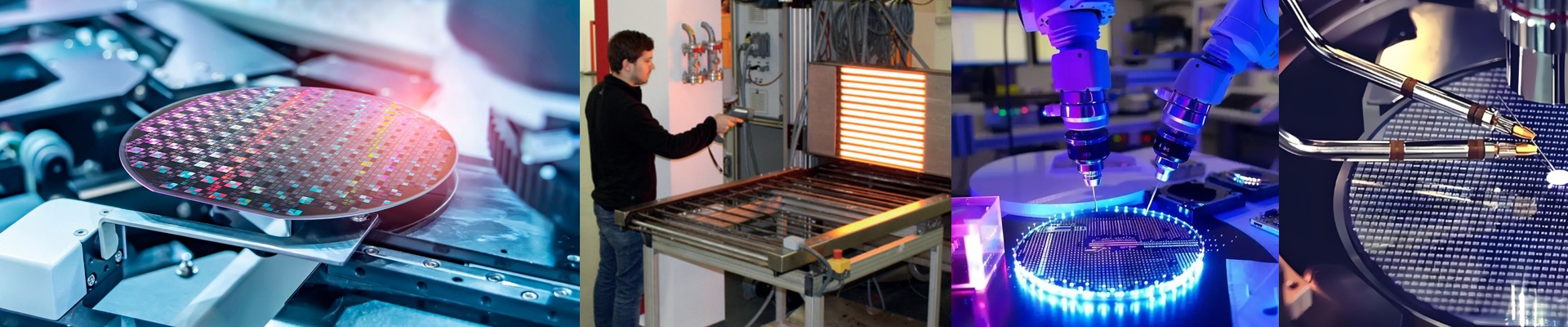
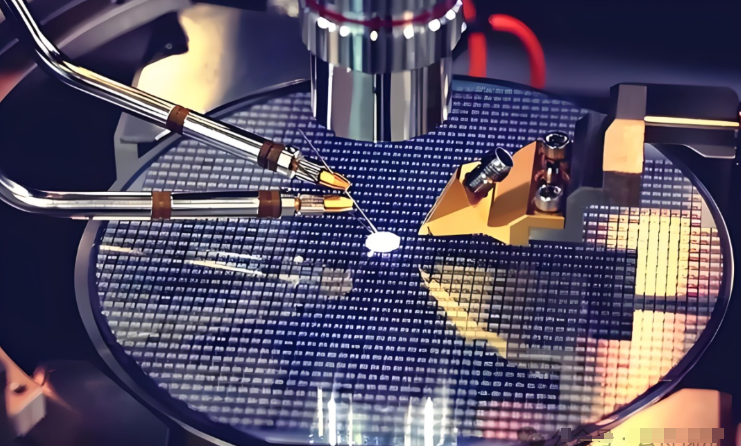
If you’re running a semiconductor fab, your IR heating lamps are basically the heavy lifters for all your baking and curing. But here’s the thing: if you’re trying to hit carbon neutrality goals, you can’t just swap out a lamp and call it a day. You’ve got to look at the whole thermal setup. That’s where high-purity quartz glass shields come in. They protect the heating elements, sure, but they also handle how the heat actually moves. Stop wasting energy Think of the quartz shield as a smart barrier. It sits between the halogen filament and the rest of the fab. Because it’s high-purity, the shortwave IR radiation just glides right through without getting soaked up by the glass. That means more heat actually hits the wafer and way less leaks into the tool chassis. When you stop turning your equipment into a giant space heater, your chilling units don’t have to sweat as much. Your total power bill drops. Simple as that. The danger of cheap materials We use low-impurity fused silica for a reason. In a cleanroom, any little bit of outgassing or a few stray particles from a cheap shield can absolutely wreck your yield. It’s a nightmare. Plus, these shields have to survive the shock of rapid heating and cooling without cracking. If a shield gets cloudy or fails, your heat distribution goes wonky. You’ll probably try to crank up the lamps to make up for it, but all that does is burn out your filaments faster. More waste, more downtime. Finding the sweet spot It’s a bit of a balancing act. Better transmission means you get a higher heat density, which lets you ramp up faster. But high-intensity IR can cause “solarization” or just gunk up the surface over time. Then there’s the thickness. A thicker shield is a tank—it can take a beating during installation. But it does let a little less IR through. You just have to pick the thickness that fits your specific throughput and how often you’re cleaning the system.