
Stop the Shards: Why Your Reflector Design Actually Matters
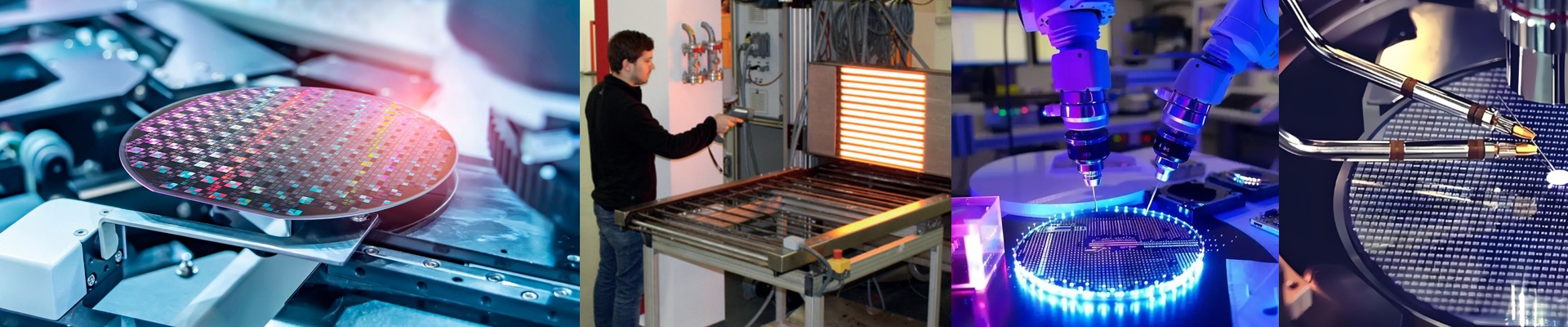
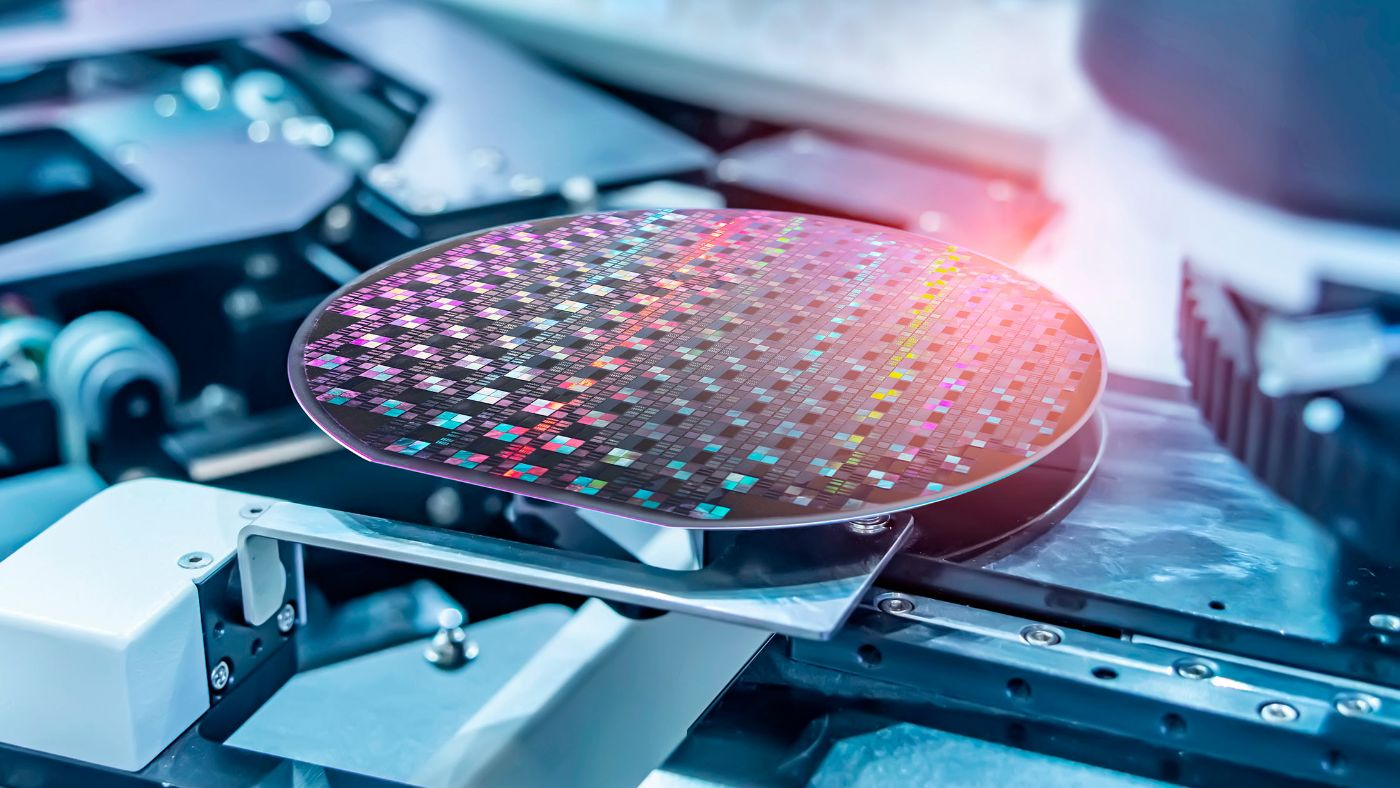
In high-load wafer curing, a lamp blowing out is way more than just a headache or some unplanned downtime. It’s a nightmare. When a quartz tube pops, you’ve got glass shards and halogen deposits raining down directly onto your silicon. One bad pop and you’ve just trashed an entire batch of wafers. That’s why we don’t treat the reflector as just a mirror—we treat it as a shield. The trick is in the shape. We use a deep-dish design with high-purity aluminum or gold coatings. The goal here is to push as much heat as possible exactly where it needs to go: the wafer. Because the heat flux is so focused, you can actually dial back the wattage without losing any surface temperature on the wafer. And here is the win: lower wattage means less stress on the quartz. Less stress means fewer blowouts. Simple as that. Dealing with the heat soak High-load production gets hot. Really hot. If your reflector can’t breathe, the ends of the lamp overheat and the seals fail. To stop that, we use anodized finishes and leave specific venting gaps to keep things cool. You’ll notice we don’t make the tolerances around the lamp caps super tight. We do that on purpose. Glass expands when it gets hot; if there’s no room to move, the mechanical pressure will eventually crack the tube. The honest trade-off Look, adding a protective shield or a deeper reflector does cost you a little bit of raw IR transmission. You’re going to lose maybe 3-5% of your energy to absorption. But let’s be real. When you’re staring at a $50k wafer, losing 3% efficiency is a price you’ll pay every single time to make sure you aren’t showering your product in broken glass. One last thing: check your cooling blowers. Make sure they’re actually sized for the reflector’s footprint. If you choke the airflow around the housing, the heat just builds up and you’ll burn through your lamps way faster than you should.