
Keeping Your IR Lamps Alive in the Rinse Zone
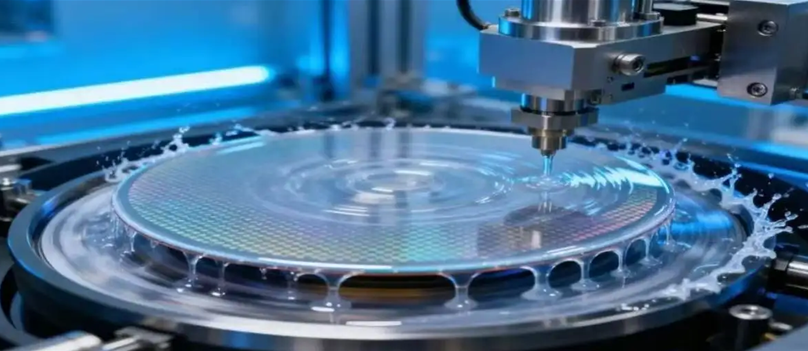
Let’s be honest: rinse stages are a nightmare for electronics. You’ve got high-wattage infrared lamps sitting inches away from constant water spray and thick humidity. It’s a recipe for disaster. One tiny hairline crack in the quartz or a seal that isn’t quite right, and suddenly you’ve got a short circuit. Before you know it, your fuses are blown and your PLC is fried. It’s a headache nobody needs.
The “Stress Test”
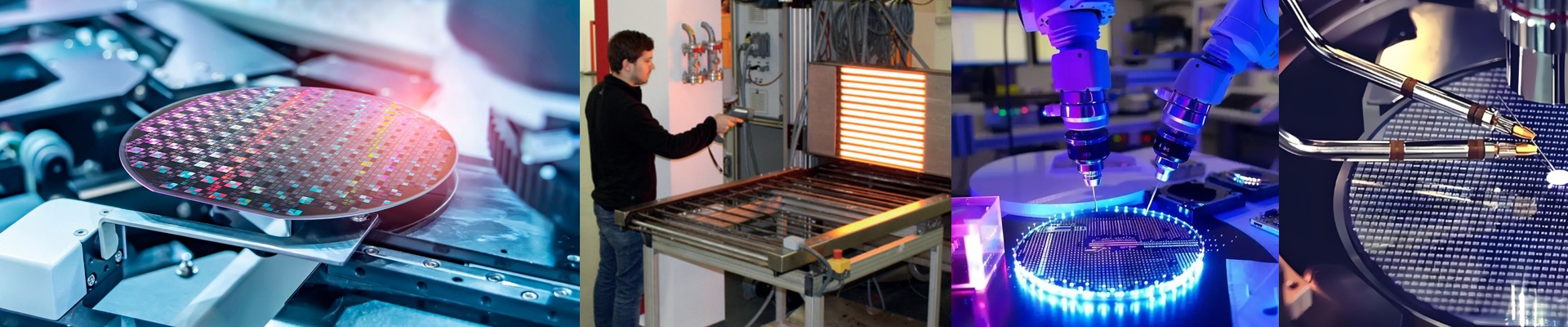
We don’t believe in “spot checking” or sampling a few lamps from a batch and hoping for the best. That’s how things break in the field. Instead, we put every single tube through a Hi-Pot and insulation resistance test before it even leaves our shop. Basically, we hit them with a high-voltage Stress test to force any hidden weaknesses to show their face. If the insulation slips or the current leaks even a little bit, that lamp is scrap. We’d rather toss it here than have it trip your breakers the second your spray nozzles kick in. We make sure the power stays in the filament, exactly where it belongs, and far away from your machine’s chassis.
The Battle Against Leaks
Waterproofing isn’t just about the glass tube. The real danger is where the electrode meets the lead wire. Water is sneaky. In a rinse application, capillary action can actually pull moisture right into the lamp housing. To stop that, we use specialized sealing compounds at the pinch seal. It creates a wall that moisture just can’t get past.
A Word of Caution on Heat
Here is the trade-off: those reinforced seals are great for safety, but they can mess with how heat escapes from the ends of the lamp. You’ve got to make sure your housing has enough airflow. If you cram a high-wattage lamp into a tight, waterproof box without any room to breathe, you’re going to deal with “heat soak.” That’s a fast track to a burnt-out filament. We build these things to take a beating in the wettest parts of your line. You get a lamp that does its job without turning your electrical panel into a fireworks show.