
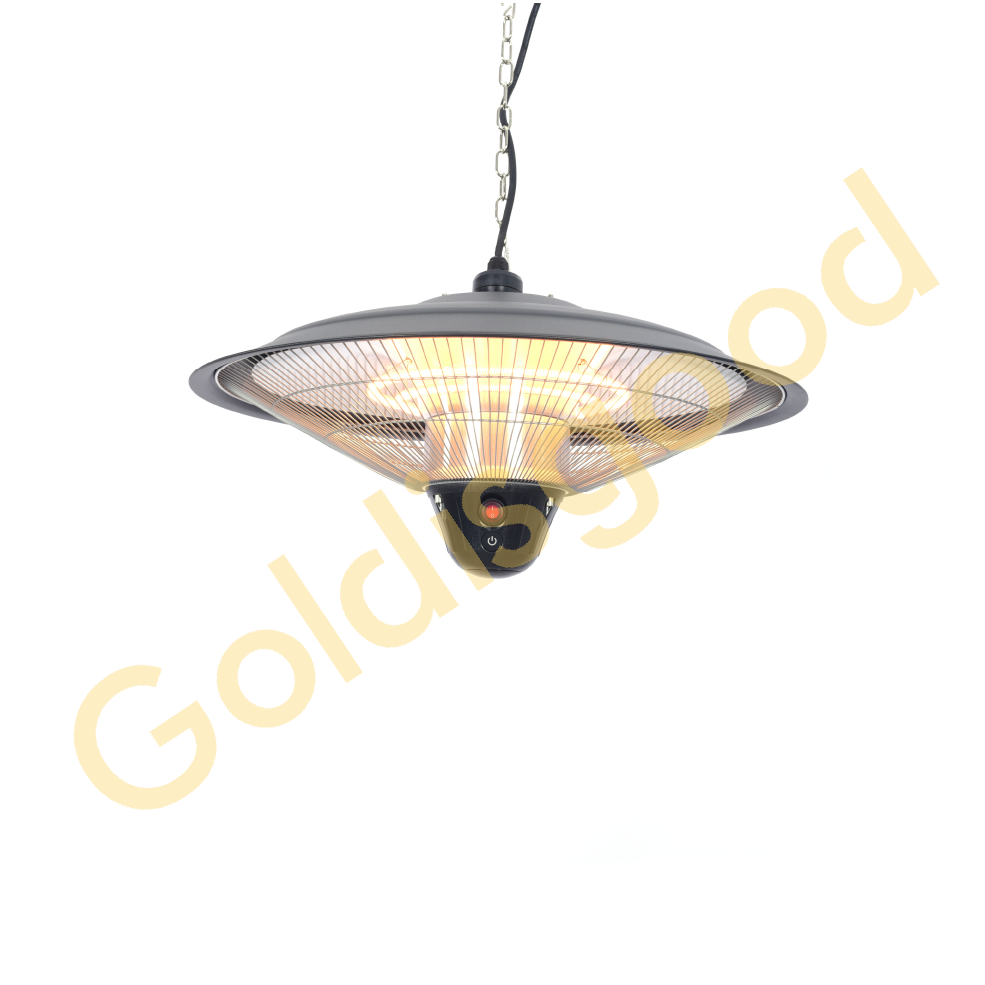
Why Your Bathroom Heater Needs “Explosion-Proof” Quartz
Let’s be real: bathrooms are the worst place for electronics. You’ve got steam everywhere, high humidity, and sudden temperature swings. When you flick the switch on a short-wave IR heater, that filament gets scorching hot in a heartbeat. Now, imagine a single drop of cold water splashing onto that white-hot glass. If you’re using standard quartz, that’s a recipe for disaster. The glass shocks, cracks, and—worst case—shatters. That’s where the “explosion-proof” stuff comes in. It isn’t just about making the glass “tougher.” It’s actually about how the material handles heat. By tweaking the silica and adding a few specific elements, we’ve made a tube that can take a sudden cold hit without freaking out. And here is the best part: if the tube does happen to fail under some crazy amount of stress, it doesn’t blow outward in dangerous shards. Instead, it just crumbles into small, blunt pieces. It turns a potential nightmare into a non-issue. The trade-off (because there’s always one) These lamps are designed to blast heat so you aren’t shivering the second you step out of the shower. But pushing that much heat creates a massive temperature gap between the inside of the bulb and the outside air. To keep things safe, we use these modified coatings. Now, if you’re a lab scientist, you might notice a tiny dip in raw heat output compared to clear, laboratory-grade quartz. But honestly? In a real home, you won’t feel it. It’s a small price to pay to make sure your heater doesn’t pop the moment a water droplet hits it. A few tips for the install When you’re wiring these in, give them some breathing room. If the housing is too tight and the sockets overheat, the contacts will fry long before the glass ever has a chance to fail. Also, make sure everything is snug. You don’t want the lamp rattling around. Constant vibration can cause tiny micro-fractures in the glass, and that’s how the cracks start. Keep it secure, keep the air flowing, and you’re good to go.