


Why Your Workshop Heater Shouldn’t Be a Pain in the Neck
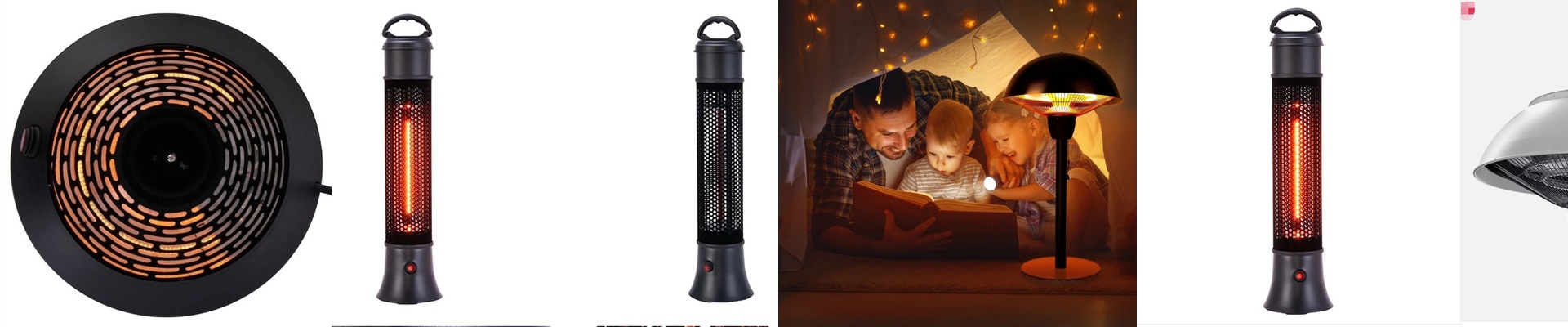
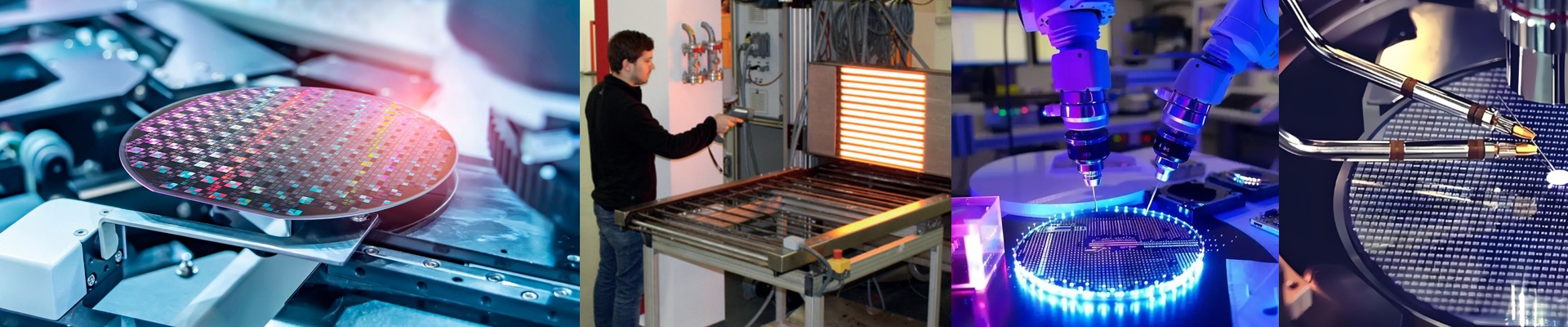
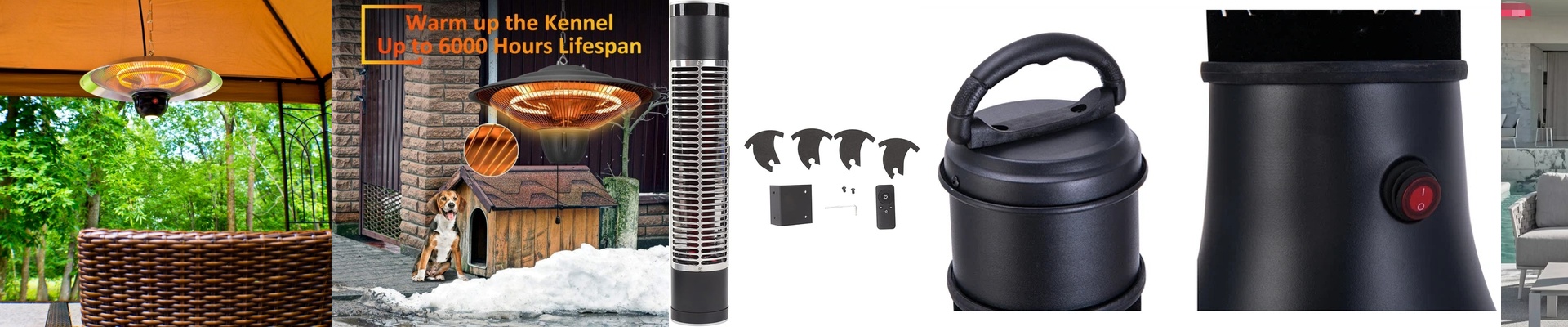
Most people install ceiling heaters and then completely forget they exist. That is, until a heating element pops five years later. Then the real headache starts. It’s not just the cost of the part. It’s the price of renting a lift, the wasted hours of production, and the sight of a technician struggling with hard-wired connections while dangling 20 feet in the air. It’s a mess. We think there’s a better way to do this. Instead of the usual “tear-down” approach, we build our infrared units with a modular chassis. Think of it like a plug-and-play system. We put the heating element in a removable tray with quick-connect terminals. So, when a tube finally gives out, you aren’t up there stripping wires or soldering in the cold. You just pull the module, swap the tube, and slide it back in. It turns a grueling four-hour electrical nightmare into a fifteen-minute swap. Dealing with the heat High-wattage tubes are great for keeping a massive, open workshop warm, but they take a beating. They go through “thermal cycling”—basically expanding and contracting every time you flip the switch. Eventually, that stress hits the quartz envelope and the electrical contacts. By using a modular frame, we keep the heating element separate from the main structure. This stops the chassis from warping. If the frame warps, trying to slide a new tube in after a few years becomes nearly impossible. We made sure that doesn’t happen. The honest trade-off Now, look. Modular connectors mean more contact points than a direct hard-wire setup. You have to make sure everything is torqued correctly during the install so you don’t deal with voltage drops or arcing. But for anyone actually managing a facility, that’s a small price to pay. I’d take a few extra screws over the chaos of shutting down the entire workshop grid just to fix one heater.