Stop Letting Your Patio Die in the Winter
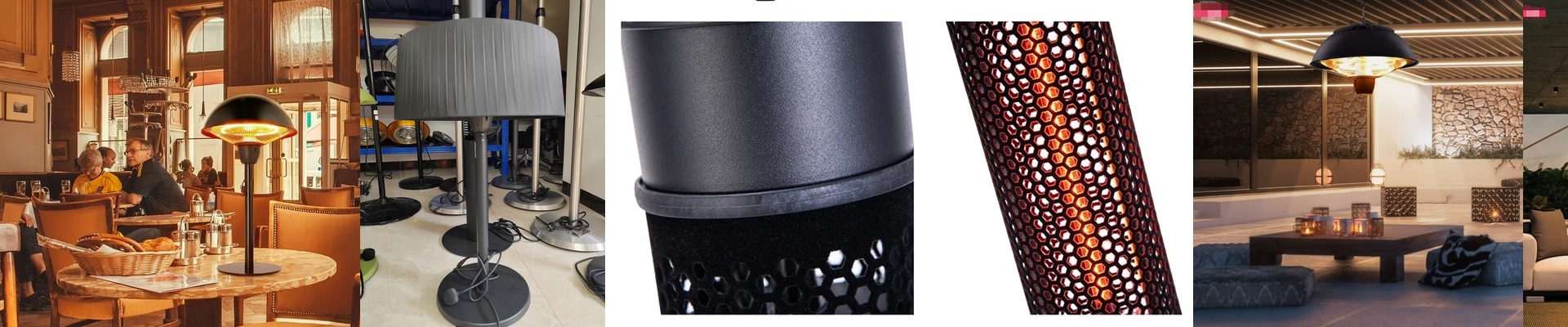
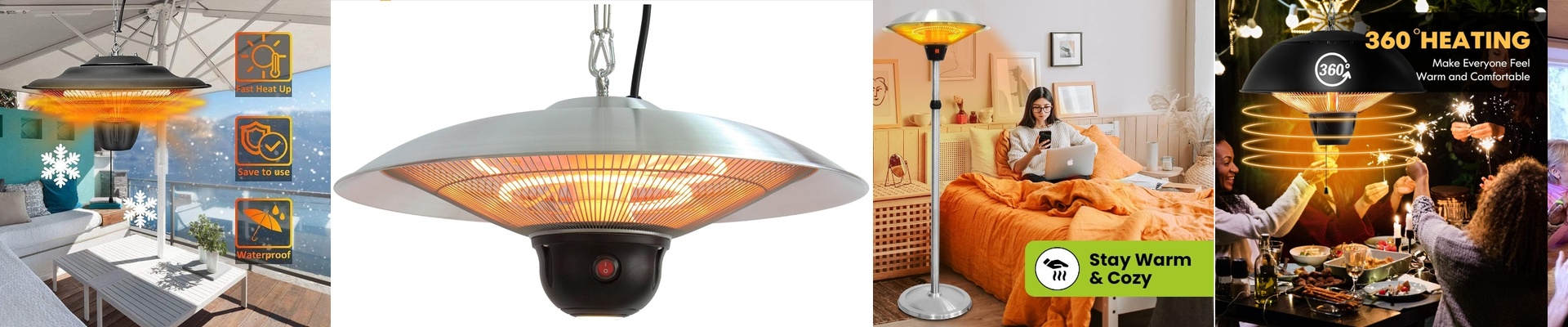
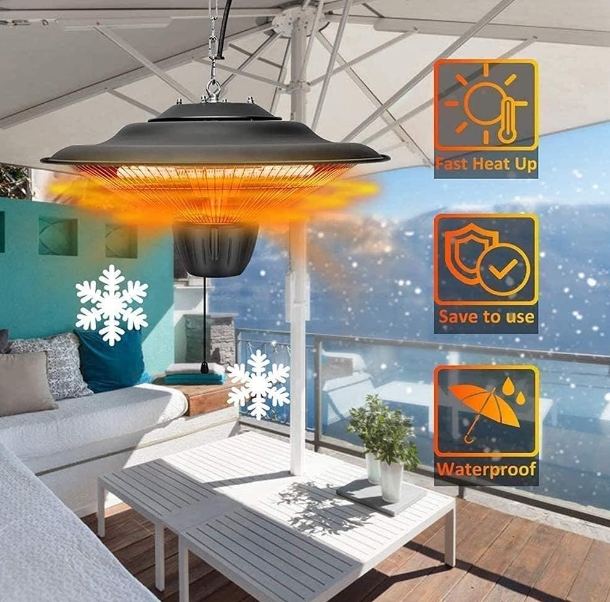
Let’s be honest: most outdoor seating becomes a ghost town the second the temperature drops. Standard heaters just can’t keep up when the wind starts whipping through your patio. You’re basically trying to heat the entire neighborhood, and your guests feel every bit of that chill. That’s where shortwave infrared comes in. Instead of trying to warm up the air—which just blows away—these heaters beam warmth directly onto your customers’ skin and clothes. It feels like sitting in the sun on a crisp October day. When people actually feel warm, they stay. They order that extra round of drinks. They linger over dessert. Getting the heat right Nobody likes that awkward “cold start” where you sit down and shiver for ten minutes while the heater slowly wakes up. It’s the fastest way to get a guest to ask for a table inside. Shortwave lamps hit their peak temperature in seconds. Total instant gratification. We usually set these up to create “heat pockets” right over the tables. You aren’t wasting electricity on the empty space between the booths; you’re just keeping the people warm. The nitty-gritty of the install You have to be smart about where these go. If you hang them too low, it’s uncomfortable—or worse, a safety hazard. The goal is to get that “cone” of heat to cover the whole table perfectly. But here is the part where people usually mess up: the power. If you’re tossing ten 2000W units onto your patio, you’re pulling 20kW. That is a massive hit to your electrical system. Do yourself a favor and check your breakers before you start wiring. The last thing you want is the lights going dark right in the middle of a Friday night dinner rush because you overloaded the circuit. Is it worth the money? Sure, industrial infrared costs more upfront than those clunky propane mushrooms. But think about the trade-off. You get rid of those ugly gas tanks and the sketchy feeling of open flames near your guests. The big hurdle is your power grid. You’ll need to make sure your building can handle the surge. But once they’re up and running? The extra revenue from filling those winter seats usually pays for the whole system in a single season.