
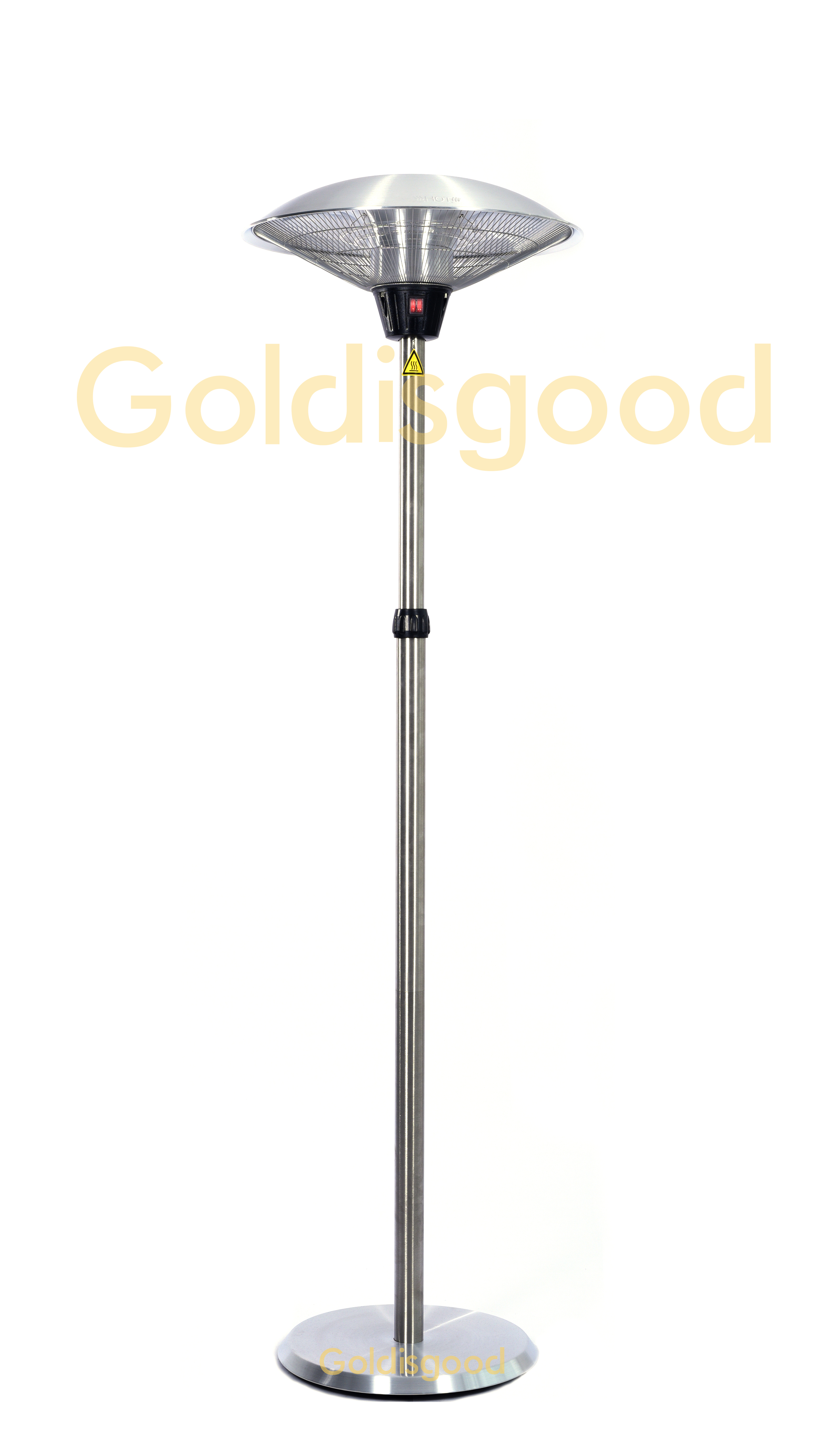
Keeping Things Safe: Why IP44 and Quartz Actually Matter in Your Bathroom
When you’re picking out infrared heating for a bathroom, it’s easy to get hung up on how much heat you’re getting. But honestly? The heat is the easy part. The real challenge is making sure the thing doesn’t give up the ghost the second it hits a cloud of steam. Most cheap heating lamps fail for two reasons: moisture leaks into the guts of the machine, or the glass tube cracks from a sudden temperature swing. That’s where IP44 and explosion-proof quartz come in. They aren’t just specs on a box—they’re what keep your bathroom from becoming a hazard. The deal with IP44 Think of IP44 as a shield. It basically means the housing is tight enough to keep out dust and, more importantly, water splashes from any angle. In a bathroom, you’ve got steam everywhere and the occasional stray spray from the shower. We use heavy-duty gaskets and sealed cable entries to make sure that moisture never touches the live wires. Because if water hits a circuit that isn’t rated for it? You get a short. It’s as simple—and as dangerous—as that. Why “Explosion-Proof” Quartz? Now, the term “explosion-proof” sounds a bit intense, but it’s really about handling stress. Imagine a red-hot quartz tube. Now imagine a single, cold drop of water hitting it. Standard glass would shatter instantly. It’s called thermal shock, and it’s a nightmare. To stop this, we use a high-purity, thick-walled quartz. It can take those wild temperature jumps without breaking a sweat. It’s the final line of defense. If the outer case ever fails, the tube stays intact so you don’t end up with electrical arcs or glass shards on your floor. A few tips for the install These heaters put out a ton of warmth, but they run hot. Check your walls. If you mount these too close to plastic trim or cheap fixtures, you’re going to warp them. Give yourself at least 15cm of breathing room from anything that could melt or catch fire. And please, do yourself a favor: wire it to a dedicated GFCI breaker. The IP44 rating protects the lamp, but the GFCI protects you. Don’t skip it.