
Why We Use Gold Reflectors for IR Heating
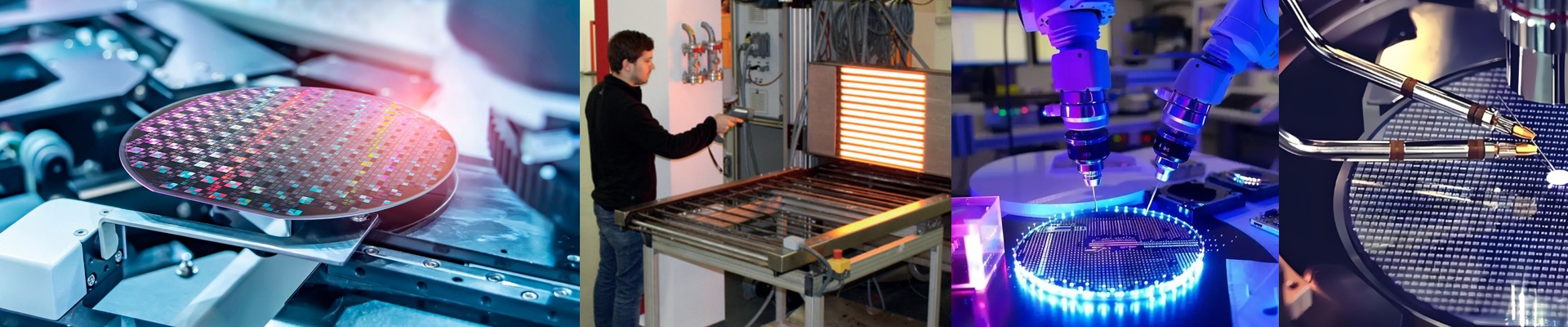
In a smart Fab plant, heating isn’t just about cranking up the power. It’s about where that heat actually goes. If you’re just blasting energy, you’re wasting money. That’s why we pair our infrared bulbs with gold reflectors. It’s all about getting the heat exactly where it needs to be—on the substrate—and nowhere else. The deal with gold vs. aluminum Most people start with aluminum reflectors, but there’s a catch. Aluminum absorbs too much energy. Gold is different. It bounces a way higher percentage of the infrared spectrum back toward the part. The result? Your part gets hot, but your machine frame stays cool. When you’re running a digital production line and need your temperature zones to be spot-on, this is a non-negotiable. Making it “Smart” Data is everything these days. We’ve set these systems up to talk directly to your PLC loops. When you plug these bulbs into a smart grid, you can actually see the power draw in real-time and tweak the output based on what the sensors are telling you. No more guessing. No more “turning the knob and hoping for the best.” The cost conversation Let’s be honest: gold reflectors cost more upfront. Your initial bill will be higher. But here is where it pays off. Because the heat is so focused, you can usually run your bulbs at a lower wattage and still hit your target temperature. You’re spending more on the hardware to spend less on the electric bill. A few things to watch out for High-intensity IR systems put out a lot of radiant heat. If you go with a high-wattage array, make sure your cooling fans and heat sinks are up to the task. If the ventilation is sloppy, you’re going to fry your controllers. And one last tip:keep them clean. Dust is the enemy here. A little bit of grime on that gold surface kills the reflectivity and messes up your thermal uniformity. Stick to a strict cleaning schedule, and you’ll be fine.