
Why Your Bathroom Needs More Than Just a Heater
Most people think of bathroom heaters as a way to stop shivering while they towel off. But from where we sit on the engineering side, it’s not really about the air temperature. It’s about controlling the room.
Stopping Mold Before It Starts
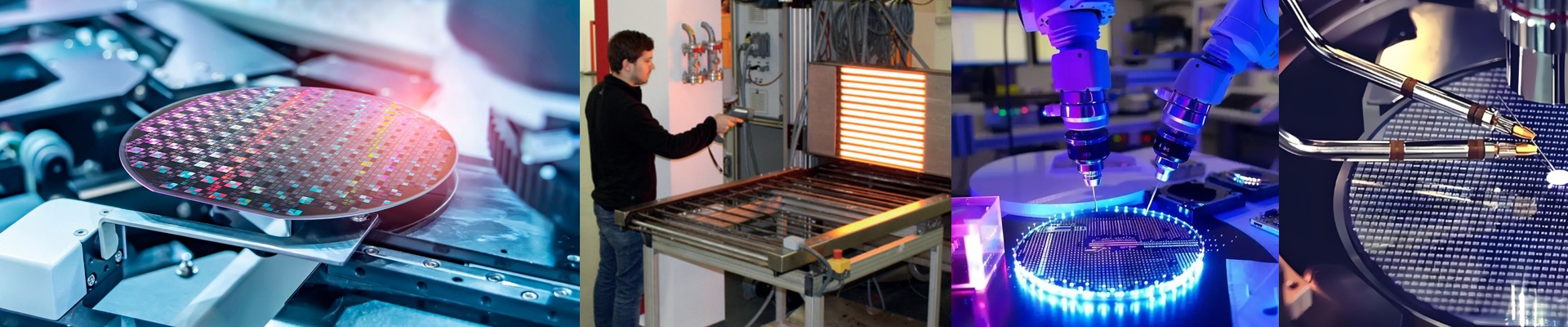
Mold loves those damp, stagnant corners where the walls feel cold to the touch. That’s where we use short-wave infrared (SWIR). Here’s the thing: normal heaters just warm up the air. Infrared is different. It goes straight for the surfaces—your walls, your ceiling, your tiles. By keeping the walls warm, we stop water from condensing in the first place. If the water can’t settle, the mold spores have nothing to eat. We’ve tuned these lamps to hit specific wavelengths that basically “push” standing water off your grout and tiles, drying them out fast.
Built for the Steam
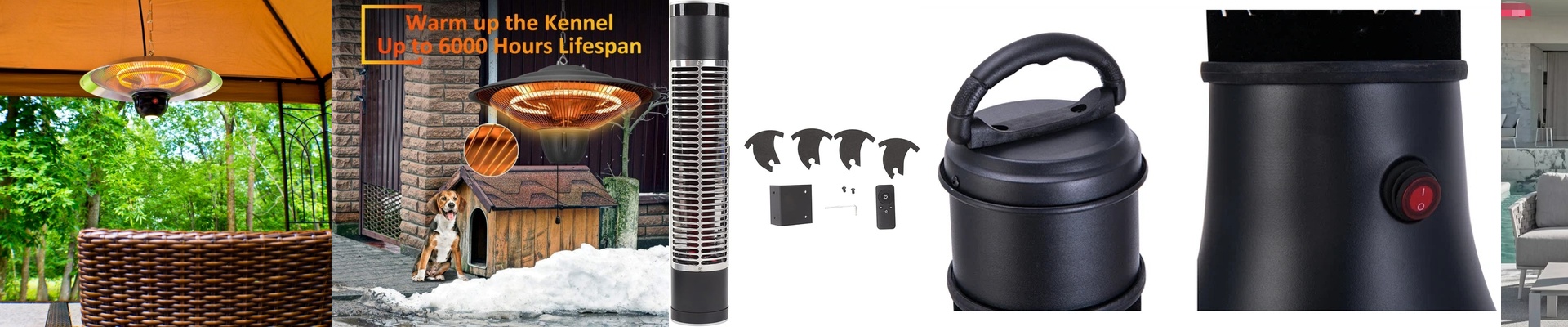
Water and electricity are a nightmare pairing. To keep things safe, we build these units to IP65 standards. In plain English? They’re dust-tight and can handle water jets from any direction. We use precision gaskets and sealed cables so steam can’t sneak into the electrical parts. Plus, we use high-density quartz tubes. This means you get heat the second you flip the switch. No waiting around. It kills that “cold-start” condensation spike that usually happens the moment you turn on the shower.
A Few Things to Keep in Mind
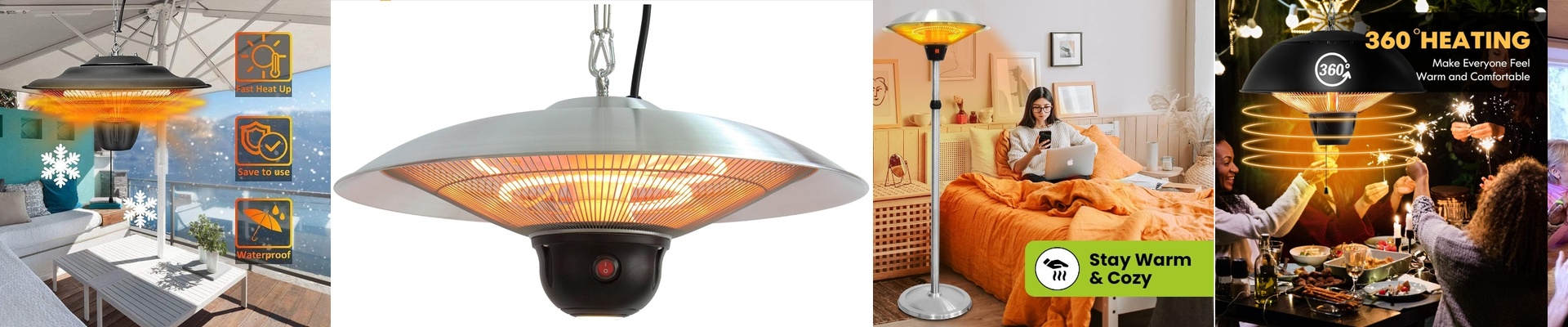
These lamps are powerful, and that heat is intense. If you mount them too low or put them right next to plastic fixtures, you might actually warp the material. You’ve got to get the height right based on the beam angle. You want a nice, wide spread of warmth across the ceiling, not one scorching hot spot. And just a heads-up: you still need a fan. The lamp stops the mold by evaporating the water, but you still need a way to push that moist air out of the room.