
Stop Letting Your Patio Go to Waste This Winter
It’s the same story every year. The weather dips, and suddenly half your seating is a ghost town. It’s frustrating because those tables are still there, but nobody wants to freeze while eating a steak. You’re basically leaving money on the table. The fix isn’t those clunky space heaters that just blow warm air around. Those are useless the second a breeze hits. Instead, we tuck infrared heaters right into your ceiling. Here is why that actually works.
How it actually feels
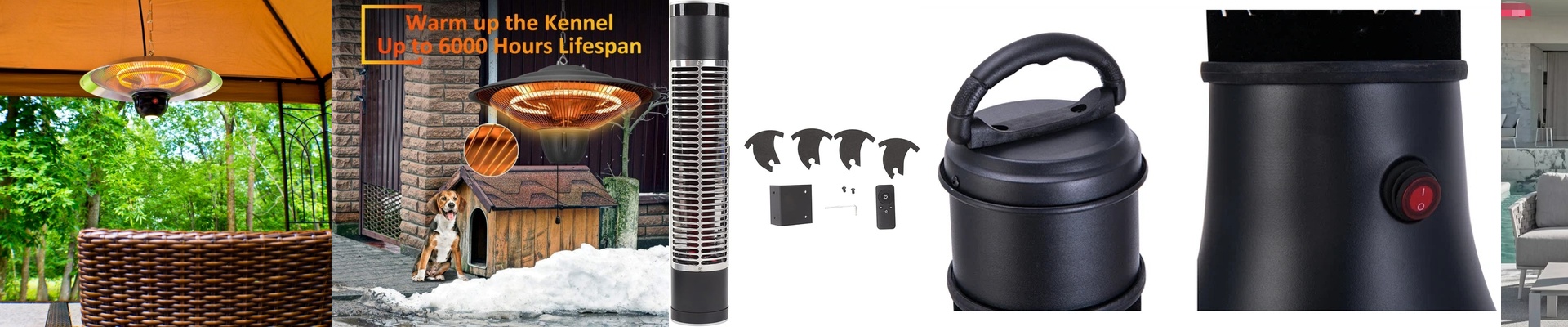
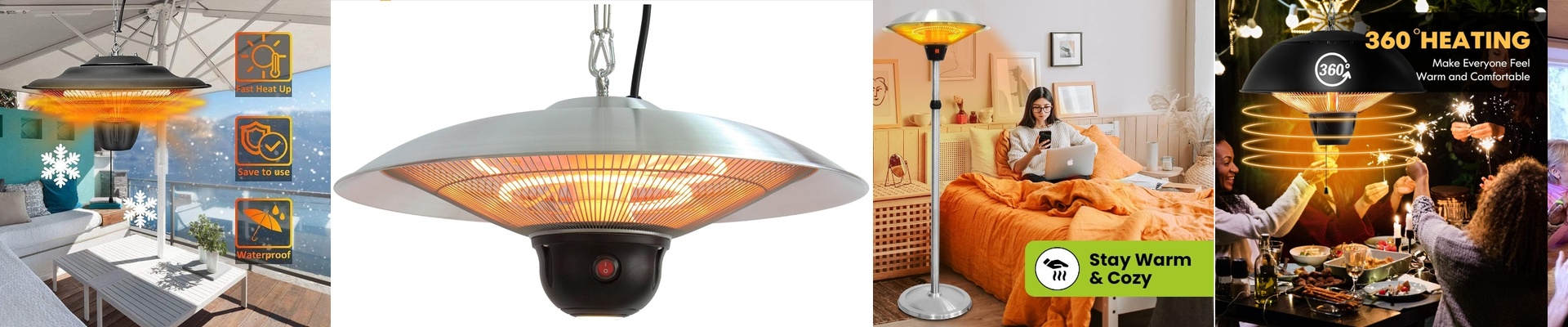
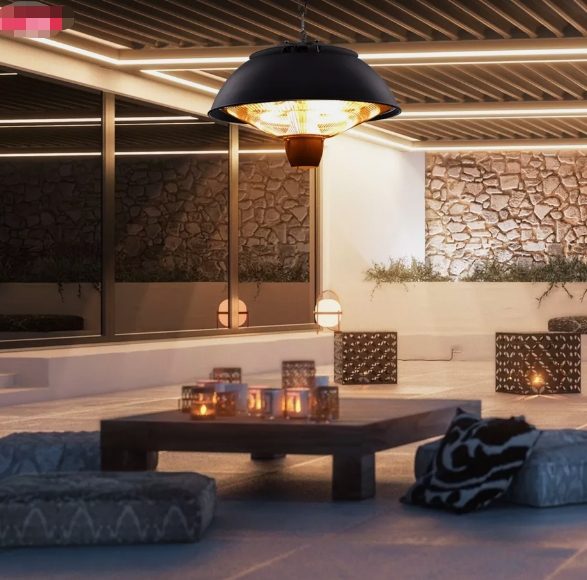
Think of it like the sun. When you step outside on a crisp winter day and feel that warmth on your skin despite the cold air? That’s radiant heat. These recessed units don’t bother trying to heat the air—the wind would just steal it anyway. Instead, they send warmth straight down to your guests and their chairs. And because they’re flush with the ceiling, they stay out of the way. No one is bumping into a metal pole or staring at a bulky machine. Your patio just looks clean, but feels cozy.
The nitty-gritty stuff
Now, a quick heads-up on the electrics. These things pack a punch to get people warm fast, which means they pull a lot of power. Before you go all-in, have someone look at your electrical panel. If you’re installing a dozen 2000W units, you don’t want to trip your breakers right during the Friday night rush. We use quartz glass tubes that push the heat down in a tight cone. This keeps the warmth where it belongs—on the customers—rather than leaking up into your ceiling. One thing to keep in mind: height matters. If your ceilings are really high (we’re talking over 4 meters), the heat spreads out more before it hits the table. In those cases, you’ll just need a stronger unit to make sure the guests actually feel the glow.
More than just comfort
Here is the real win: people stay longer when they’re warm. When a guest is shivering, they finish their meal and bolt. But when they’re comfortable? They order that extra round of drinks. They actually look at the dessert menu. You stop having “dead zones” in December and January. Your patio stops being a seasonal headache and starts making money all year round.