Keeping Things Warm in the Damp and Dirty
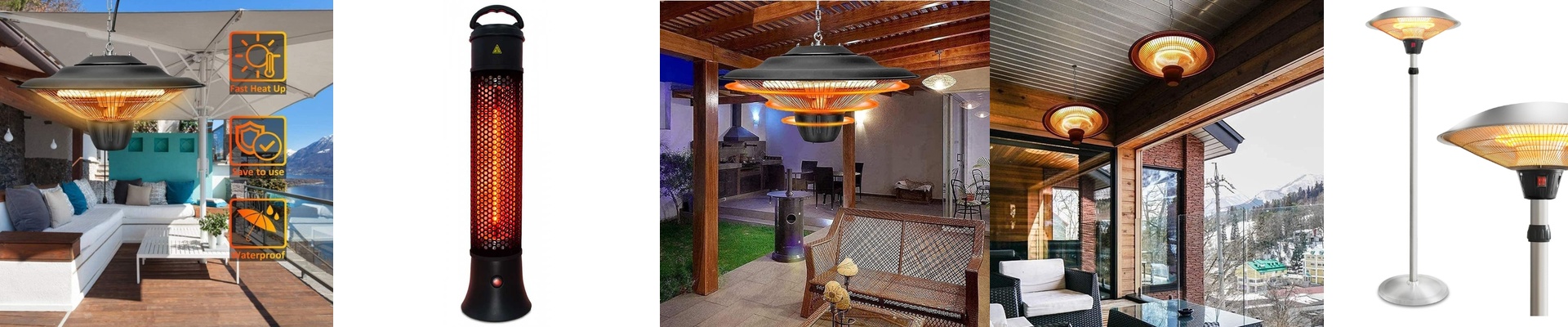
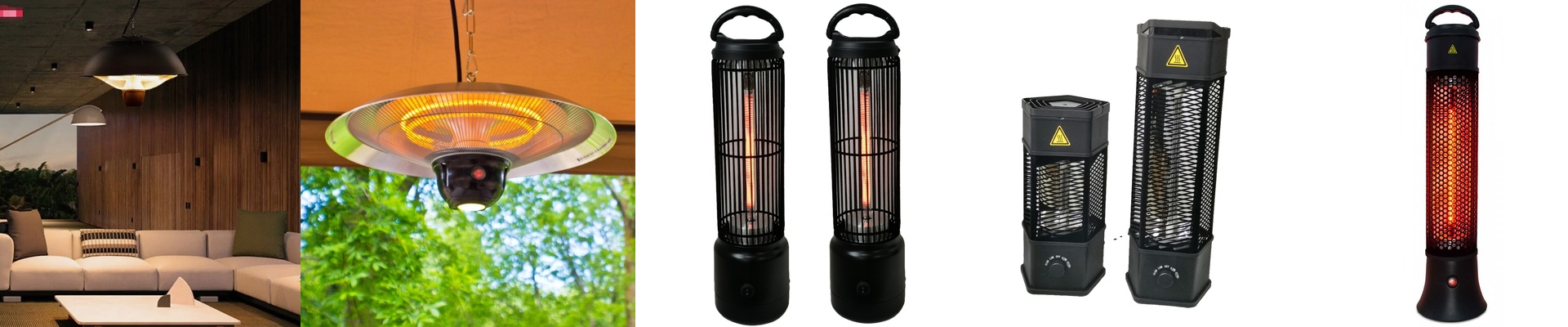
We build waterproof infrared heaters for a very specific reason: sometimes, waiting for the air to warm up just isn’t an option. Think about a drafty chicken coop or a damp changing room. If you use a standard heater, you’re basically trying to heat the entire room—and any breeze that blows through—before you actually feel anything. It’s a waste of time and money. You don’t need the air to be warm. You need the birds, or the people, to feel the heatright now.
Why it works instantly
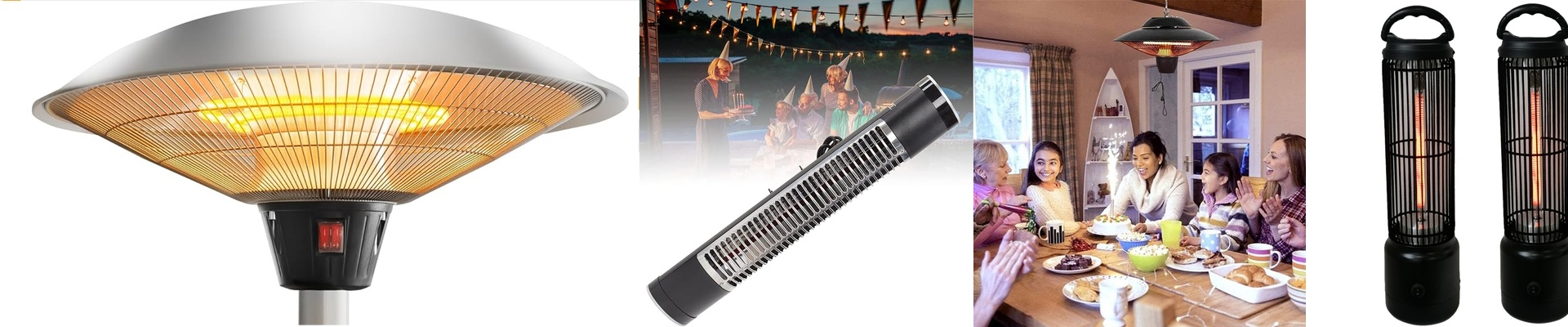
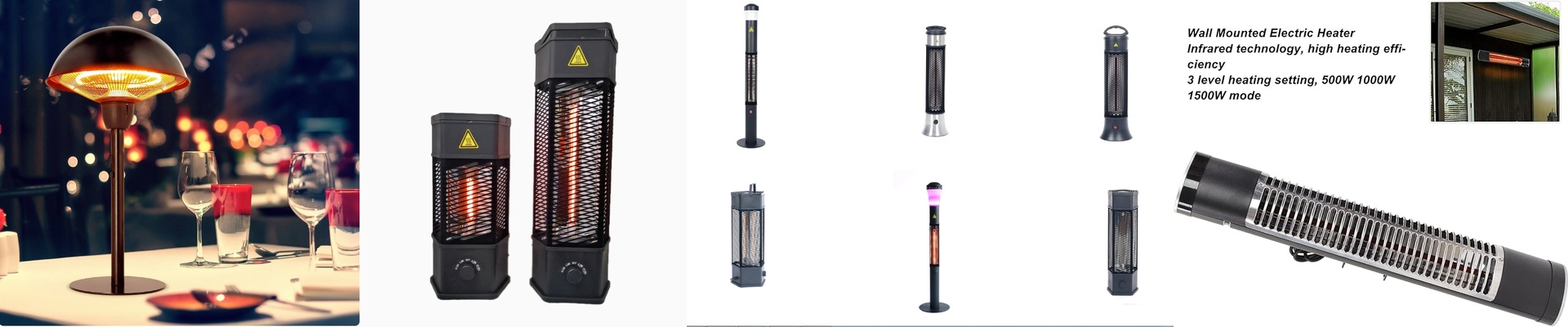
We use shortwave infrared. Here is the secret: instead of warming the air, this heat travels in a straight line. It doesn’t stop until it hits something. Because we use quartz halogen elements, these things hit their top temperature in a few seconds. You flip the switch, and boom—you feel it. The heat doesn’t drift up to the ceiling where it does nothing; it goes straight to the floor and whatever is standing on it.
Dealing with the mess
Let’s be honest: moisture is a nightmare for electronics. Between the humidity and the ammonia buildup you get in poultry barns, most heating elements just burn out. To stop that from happening, we seal the connections tight and use special coatings on the quartz tubes. We’ve designed the housing to keep water away from the electrical guts while letting the heat rays pour through. One quick heads-up on the power: these run on standard voltage, but they pack a punch. They pull a lot of current the moment you turn them on, so if you’re installing a bunch of these in a big operation, just double-check your circuits so you don’t trip a breaker.
The catch
Shortwave IR is fast, but it’s intense. If you hang the lamp too low, you’re going to have a problem. You could scorch your birds or, worse, set the bedding on fire. It’s a bit of a balancing act. You have to figure out the sweet spot where you get that rapid heat without putting anything at risk. It takes a minute to get the height right, but once you do, it’s the most efficient way to keep things warm in a tough environment.