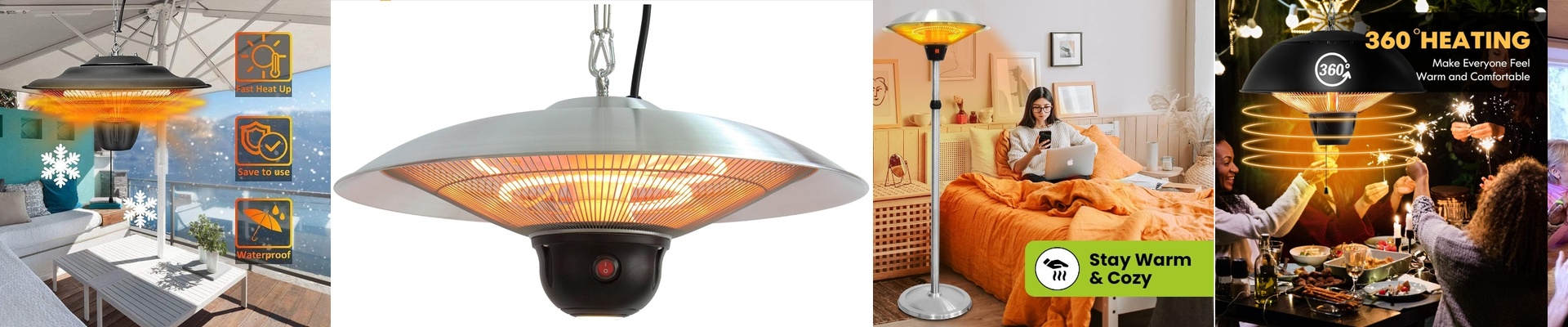
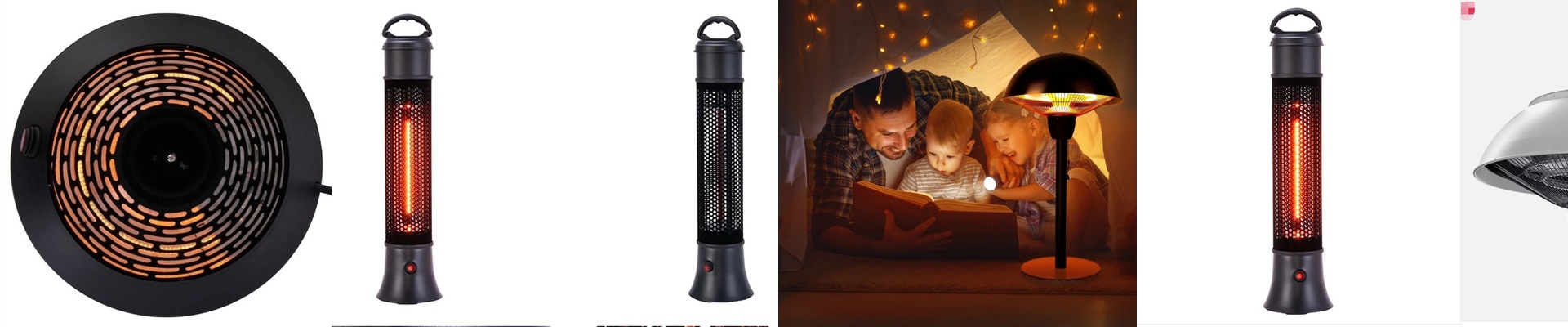
The “Year Five” Problem with Pergola Heaters
Anyone who’s put a heater in an outdoor pergola knows the deal. You’re fighting a constant battle against rain, dust, and those brutal temperature swings. Most heaters look great on day one. They work perfectly. But the real test happens around year five—that moment when a heating element finally gives up the ghost. That’s usually where the nightmare starts. With most brands, you’re stuck ripping out the entire fixture just to replace one burnt-out tube. It’s a waste of money and a total pain. We decided to do it differently.
Stop soldering in the rain
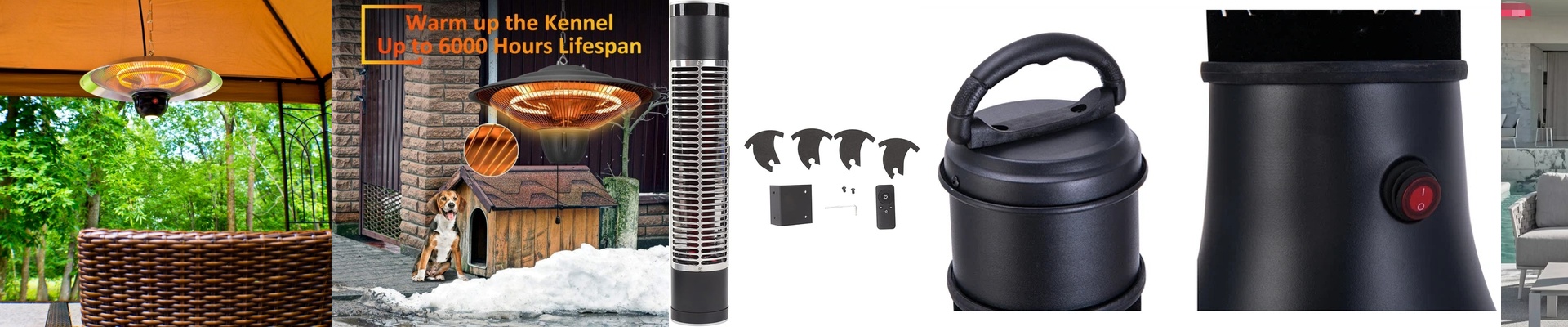
We built our heaters with a modular chassis. Instead of hard-wiring everything into the power board, we use plug-and-play sockets. Think about what that actually means for you. When a tube fails, you don’t have to spend your afternoon stripping wires or soldering joints while it’s drizzling outside. You just pop the housing, pull out the dead tube, and slide in a new one. It turns a multi-hour headache into a two-minute job.
Keeping the water out without locking yourself out
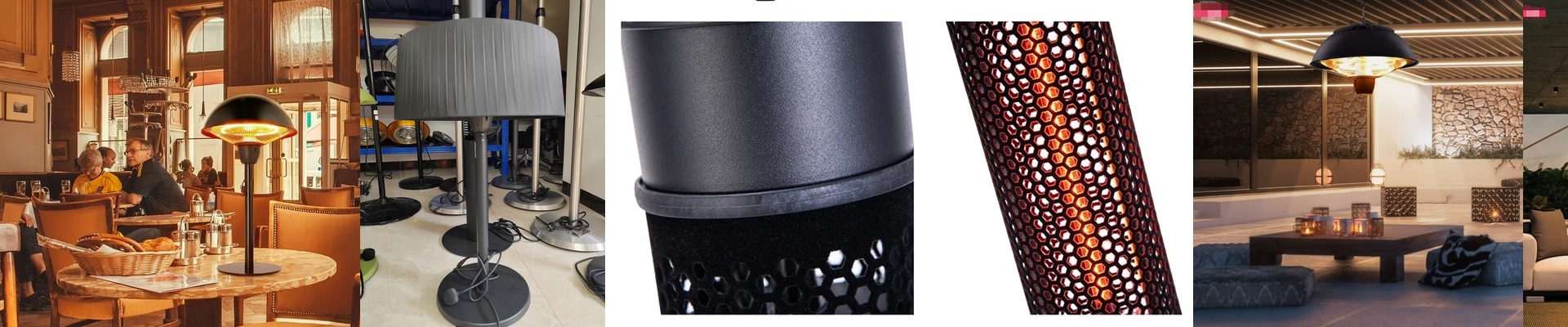
Usually, “waterproof” is code for “sealed shut with glue,” which makes repairs basically impossible. We handled this by using IP-rated gaskets around the inserts. You get a tight, dry seal that keeps the elements out, but the fasteners are still right there when you need them. We also swapped out standard steel for corrosion-resistant alloys on the brackets. There’s nothing worse than a heating element that still works, but a bracket that’s rusted into a crumbly mess.
A couple of things to keep in mind
These high-wattage tubes put out some serious heat. Because they’re so efficient, you’ve got to make sure there’s no dry leaves or flammable junk hanging around them. Also, if you’re going for a high-power setup, just double-check that your circuit breaker can handle that initial surge when you flip the switch. We’re building these for the long haul. By separating the “wear parts” from the frame, you aren’t buying a new system every few years. You keep the bones and just swap the tube. Simple as that.