
Keeping Your Wafers Clean: The Truth About IR Heaters
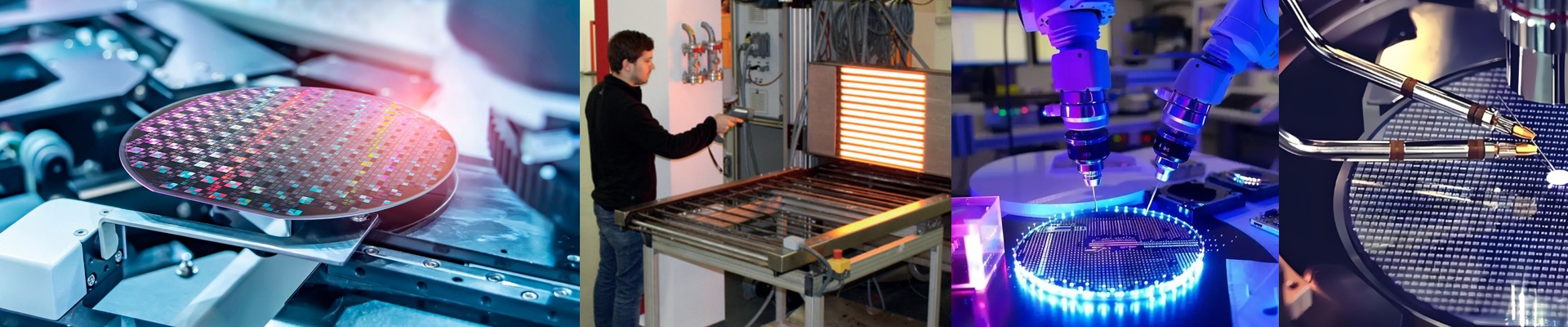
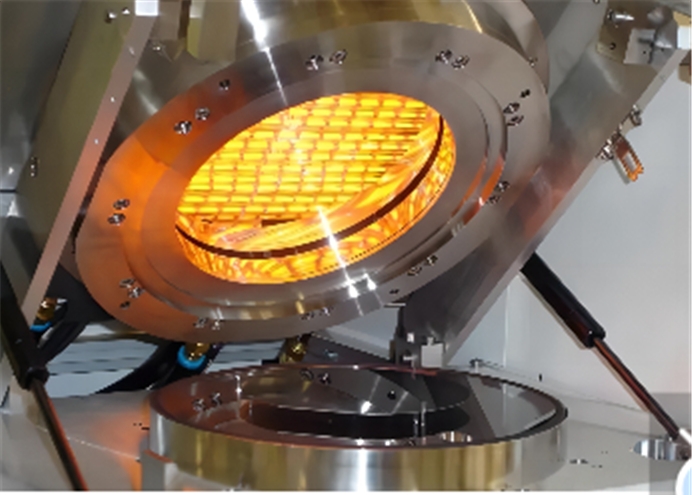
When you’re fabricating hydrogen sensors, those infrared (IR) lamps are doing the heavy lifting. But if you’re running a high-load production line, there’s a nightmare scenario we all dread. It’s not just a lamp burning out. It’s a quartz tube actually bursting. When that happens, it’s a disaster. You’ve got glass shards and tungsten filaments raining down directly onto your wafers. One pop, and your entire batch is scrap. Just like that. The heat is the enemy here. To hit our throughput numbers, we push these lamps to the absolute limit. That creates a massive temperature gap between the filament and the glass. The glass expands unevenly, micro-fractures start to form, and—boom. One tiny crack is all it takes for the whole thing to go. So, we fixed it. We added a protective containment sleeve around the IR emitter. Think of it as a safety shield. If the inner lamp decides to give up the ghost or shatter, the sleeve catches everything. Your wafers stay untouched. We use high-purity synthetic quartz for these sleeves so the IR light still gets through without bringing any nasty metallic impurities into the cleanroom. We also used “floating grips” for the mounts. This gives the lamp room to breathe and expand without the chassis squeezing the life out of it. Now, there is a small catch. Adding that extra layer of quartz means you lose a tiny bit of radiant efficiency. You aren’t getting 100% of that direct energy. You’ll probably need to tweak your power settings or let the wafers dwell a bit longer to hit your target temp. But honestly? That’s a price worth paying. It’s a lot better than staring at a bin full of contaminated wafers. One last tip: pair these with a precise PID control system. If you stop the temperature from overshooting, your lamps will last way longer, and you won’t be swapping them out nearly as often.