
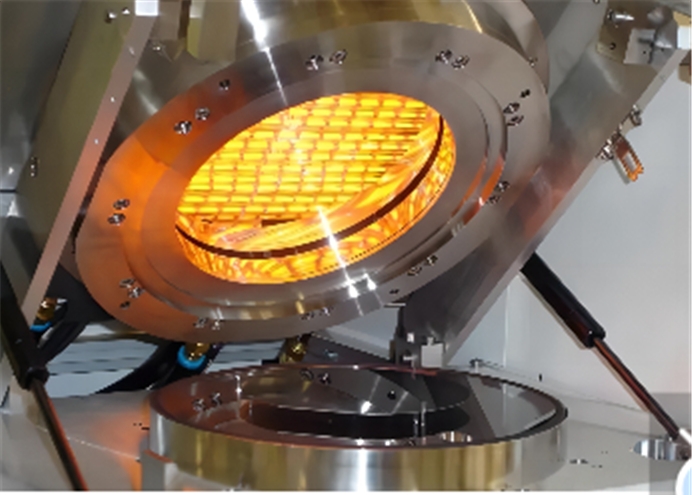
Keeping Things Safe When Using IR Heating Around Volatile Chemicals
When you’re dealing with semiconductor wet cleaning, you’re often putting IR heating lamps right in the middle of chambers filled with flammable or explosive vapors. It’s a nerve-wracking setup. One tiny spark or a slip-up in the insulation, and you’re looking at a total disaster. Because of that, we don’t just look at the wattage. We obsess over the encapsulation. The secret is in the seal. We use a dual-layer sealing method to keep the electrical terminals completely away from the chemicals. The real headache is always the spot where the power leads enter the quartz envelope. To fix this, we use hermetic glass-to-metal seals and potting compounds that can handle high heat without reacting to chemicals. It’s pretty simple: if those corrosive vapors sneak into the circuitry, you get a short circuit. Period. Our seals keep the halogen gas inside the lamp and the nasty chemicals outside. Fighting the chemical stress If your materials can’t handle the environment, they’ll degrade. Fast. We use high-purity quartz with special coatings so the lamps don’t “fog up” or get etched by cleaning agents. Here is the problem: once that quartz surface starts pitting, the heat doesn’t come out evenly. You end up with hot spots on your wafer, which is the last thing you want. We pick coatings that keep the heat flow steady and uniform across the whole substrate. The trade-offs (because nothing is free) Now, these safety tweaks do make the lamps a bit bulkier. The encapsulation adds some length to the assembly, so you might have to shift your heater bracket spacing around to make them fit. Also, those protective coatings block a little bit of the raw IR output compared to a bare tube. You’ll probably need to bump up your power settings or give the wafers a bit more soak time to hit your target temperature. And one last thing—make sure you use rated explosion-proof conduits for the wiring. That’s how you close the loop on the safety side of things.