

Stop Letting One Bad Lamp Kill Your Whole Batch
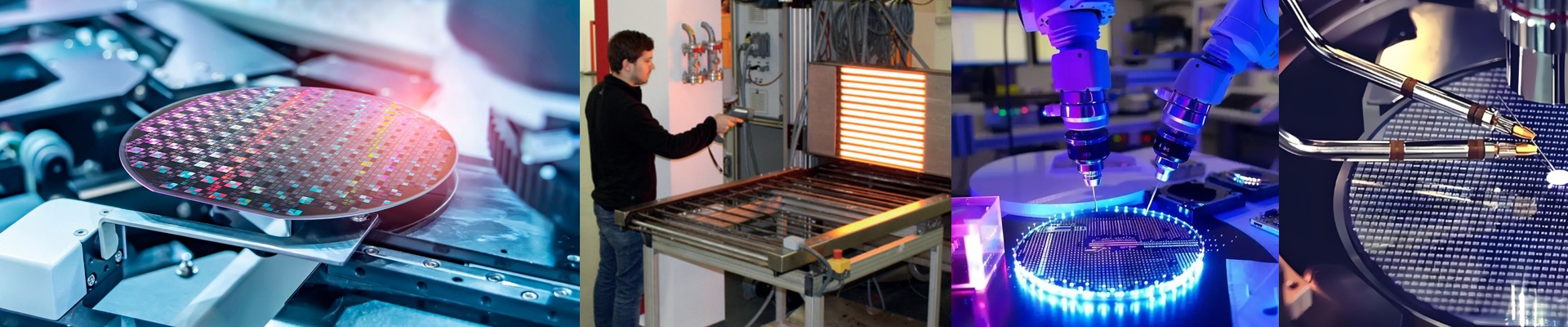
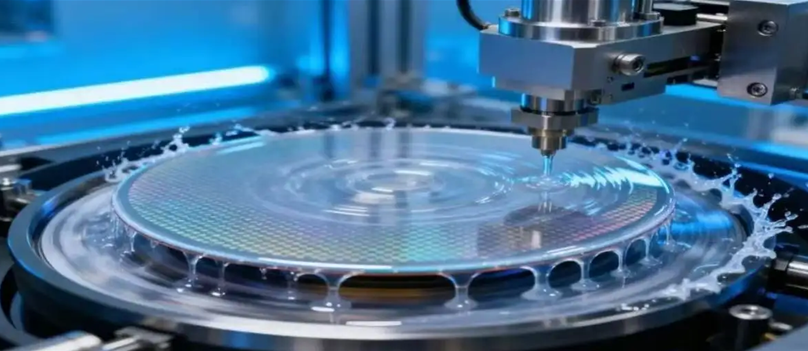
In a high-volume fab, a single lamp bursting isn’t just a nuisance. It’s a nightmare. When a quartz envelope gives out, you don’t just lose your heat source. You get a rain of glass shards and halogen gas landing right on your wafers. One pop, and your entire batch is scrap. It’s a gut-wrenching way to lose a day’s work. We design our IR lamps to make sure that doesn’t happen. Keeping the mess inside We start with high-purity synthetic quartz because it can take the punch of rapid heating and cooling without cracking. But we don’t stop there. Our lamps come with a protective sleeve—basically a “shatter-shield.” If the inner tube happens to go, the shield catches the fragments. Instead of a catastrophic spray across your workspace, you get a contained failure. You can deal with a dead lamp; you can’t deal with glass dust in your wafers. Fighting the heat High-wattage lamps get incredibly hot. If your cooling airflow isn’t dialed in, the ends of the lamp overheat and the seals fail. Simple as that. To give you some breathing room, we use reinforced electrodes and optimized gas fills. It pushes the breaking point higher, giving you a much wider safety margin when you’re running at peak capacity. The honest trade-off Here’s the thing: no shield is invisible. Adding that extra layer of protection does block a little bit of the IR light. You might find you need to bump up the power or let the wafers soak for a few seconds longer to hit your target temp. It’s a small price to pay. You trade a tiny bit of energy efficiency for the peace of mind that you won’t lose a $50k wafer lot because of a piece of broken glass. These are built for the grind of 24/7 production. Just pair them with a precision controller to keep voltage spikes away, and you can get back to work without worrying about the “what ifs.”