
Why we’re switching to IR curing for lead-free semiconductors
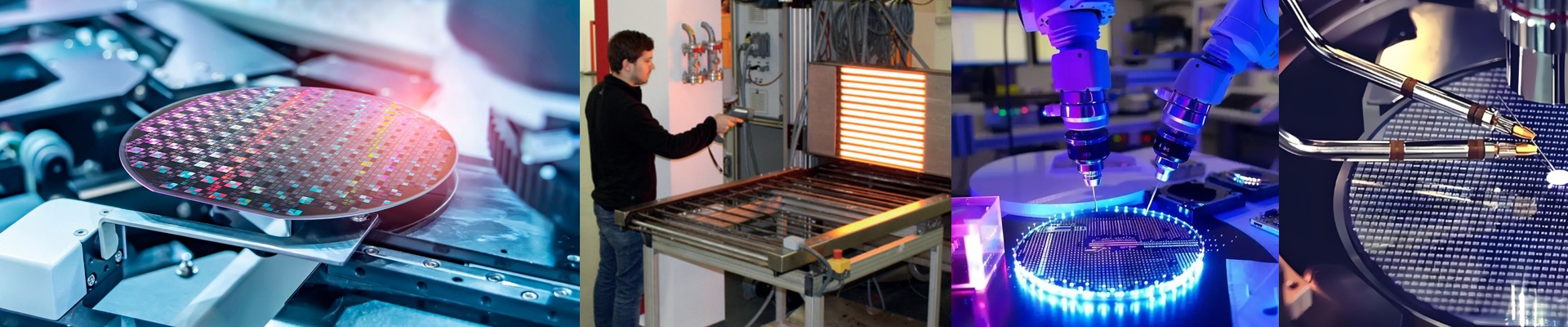
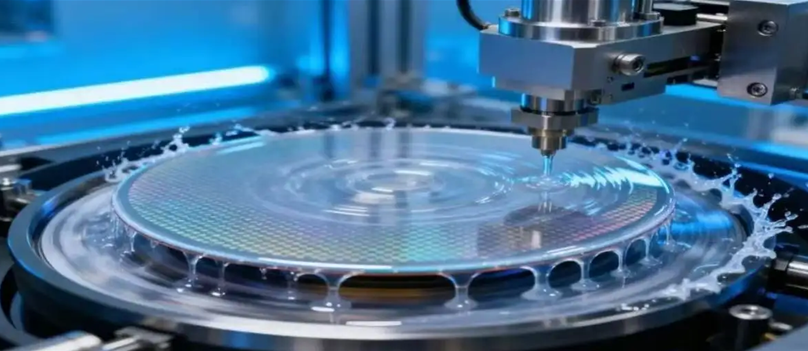
Designing wafer tools is a bit of a headache these days. With all the new lead-free and eco-friendly rules, the drying and curing stages are under a lot of pressure. Most people still use those old-school convection ovens, but they’re basically just giant heaters that warm up the entire room. It’s a waste of power, and honestly, it’s a great way to accidentally contaminate your substrate. That’s why we use infrared (IR) curing. It just makes more sense. It’s all about where the heat goes Think of it like a microwave versus a traditional oven. IR doesn’t bother heating the air; it goes straight for the photoresist or the adhesive layer on the wafer. Because the energy hits the material directly, you hit your target temperature in seconds. Not minutes. Seconds. This is the secret to hitting those “green” energy goals without actually trying too hard. You aren’t paying to heat the walls of the machine or the air around it. The energy goes where it’s needed. Plus, because it’s so fast, you don’t have to spend nearly as much time cooling the wafer down before it moves to the next step. Cleaning up the chemistry Going lead-free isn’t just about swapping out the solder. You have to look at the whole chemical process. With IR, we can tune the wavelength. We match the IR peak to exactly what the curing agent needs to absorb. This lets us trigger the polymerization without accidentally cooking the substrate. It stops those nasty volatile organic compounds (VOCs) from off-gassing, which usually happens when thermal environments get out of control. The catch (because there’s always one) Now, this level of precision requires you to be a bit more careful. Since IR is so fast, you run the risk of “skinning.” That’s when the top layer cures instantly and traps solvents underneath—not a good look. You’ve got to get your sensor array and ramp-up profiles exactly right to stop that from happening. If your PID loop is sluggish, you’ll overshoot the temperature and end up with a warped wafer. We design these systems to slide right into the spot where your old thermal tools used to be. Just a heads-up: make sure your cooling fans can keep up with those rapid heat spikes at the wafer edge.