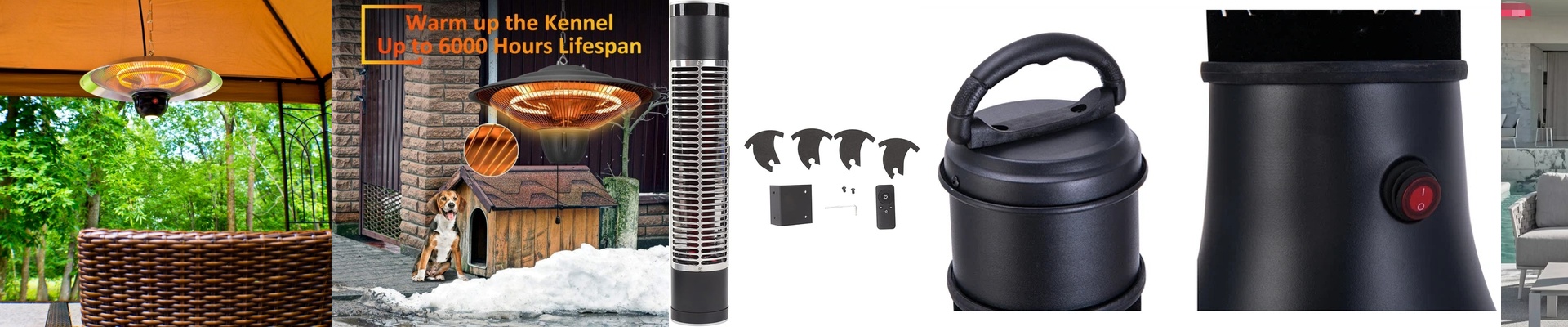

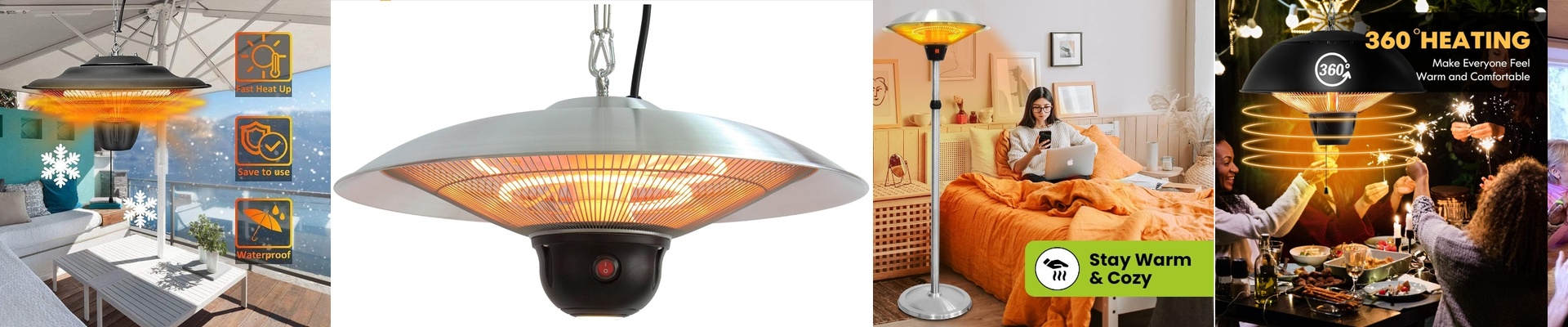
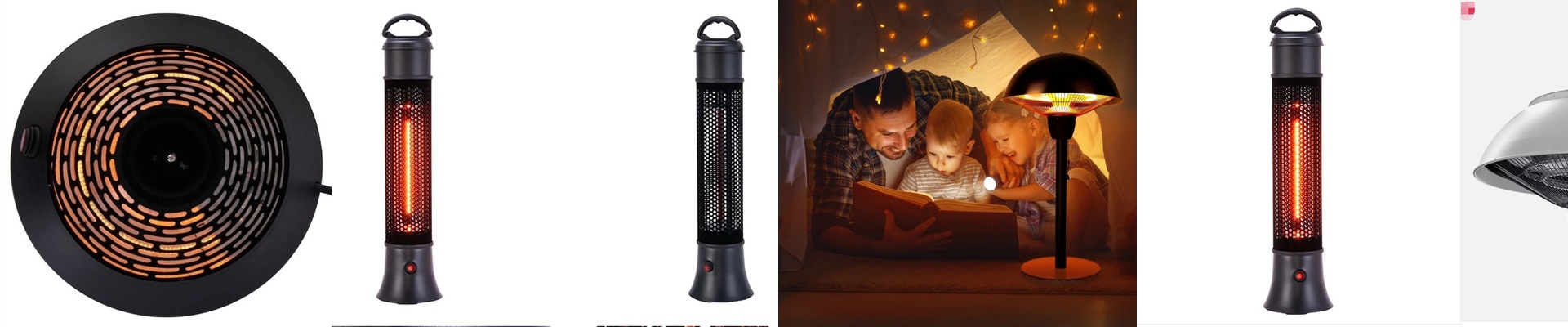
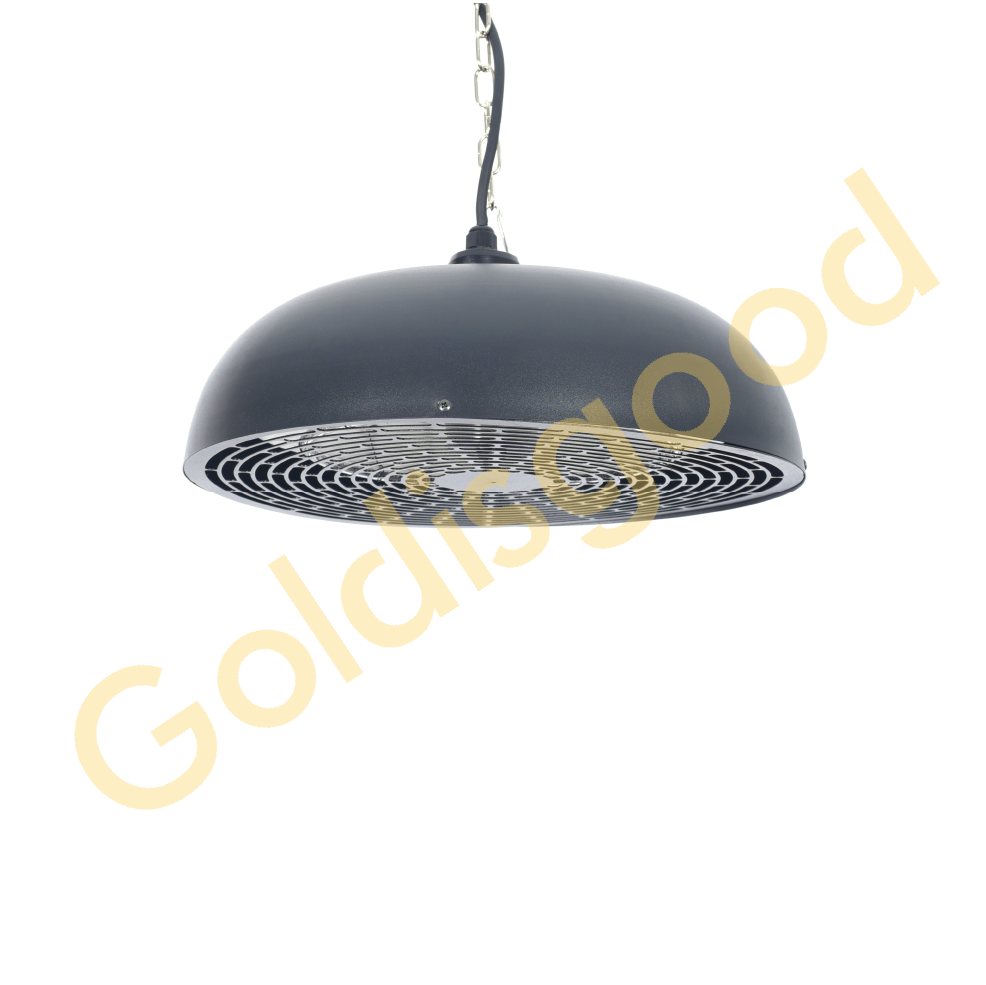
Let’s be honest: bathrooms are a nightmare for electronics. Between the steam, the splashes, and the constant humidity, most heating elements just give up. They rust, they short out, and then you’re left with a cold towel and a repair bill. We wanted to fix that. So, when we built our infrared towel rails, we obsessed over the seals and the casing to make sure they could actually survive a real shower. Dealing with the steam You know how a mirror fogs up? The same thing happens inside cheap heaters. Condensation builds up on the electrical parts, creates a spark, and—poof—the unit is dead. To stop that, we added a specialized anti-fogging seal around the lamp. It basically acts as a shield, keeping the water vapor out of the guts of the machine. Your circuitry stays bone-dry, which means no more random burn-outs just because you took a long, hot shower. Water happens Splashes are inevitable. Whether it’s a kid playing or just a leaky shower curtain, water gets everywhere. We designed the chassis to act like a slide, pushing water away from the power intake instead of letting it pool there. We also used a heavy-duty, corrosion-resistant coating on the rails. It doesn’t just look good; it keeps the rust and mineral buildup from eating through the frame, even if you live in an area with really hard water. The tricky part: Breathing Here’s the thing: if you seal a heater too tightly, it can’t breathe. It traps the heat inside and eventually cooks itself. It was a bit of a balancing act. We had to find the sweet spot—a seal that’s tight enough to keep droplets out, but with a clever venting path that lets the heat escape. It’s the best of both worlds. One quick tip: make sure you mount the rail securely to the wall. If it starts to sag, the water won’t drain the way it’s supposed to, which puts a lot of stress on those seals. Get it wired up right, and you’ve got a heater that actually lasts. No more worrying about moisture killing your gear.