
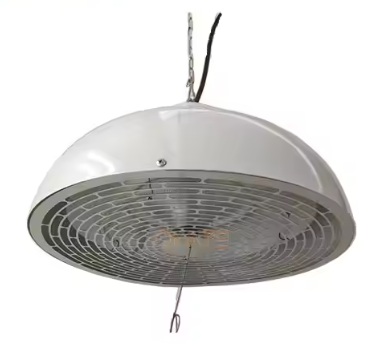
Stop Shivering in Your Bathroom
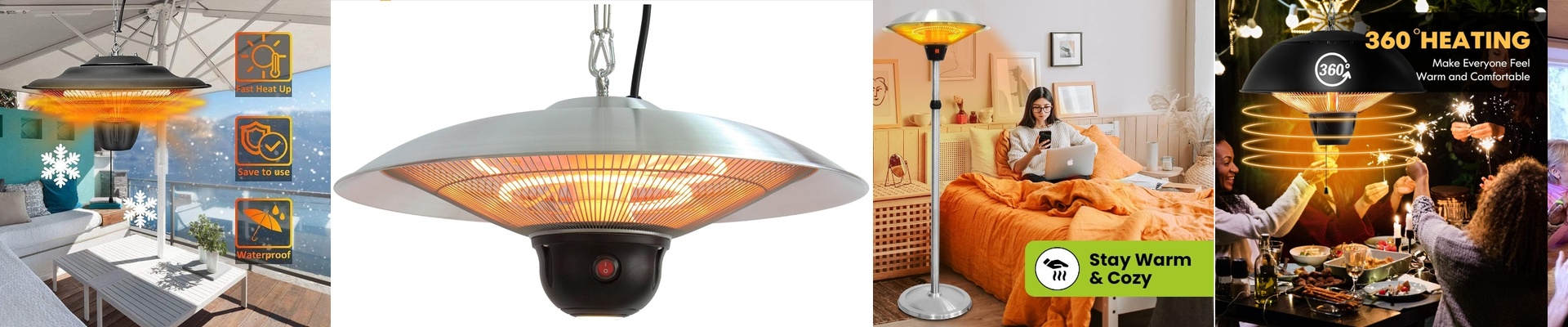
Let’s be honest: there is nothing worse than stepping out of a hot shower into a bathroom that feels like a walk-in freezer. We’ve all dealt with those old radiators that take forever to warm up, leaving you to freeze while the air slowly—very slowly—gets cozy. That’s why I’m a fan of infrared (IR) heaters. Unlike old-school heaters that try to warm up the entire room’s air, these things go straight for you. They heat your skin and the surfaces around you directly. It’s a different kind of warmth. It’s instant.
How the “Instant Heat” Actually Works
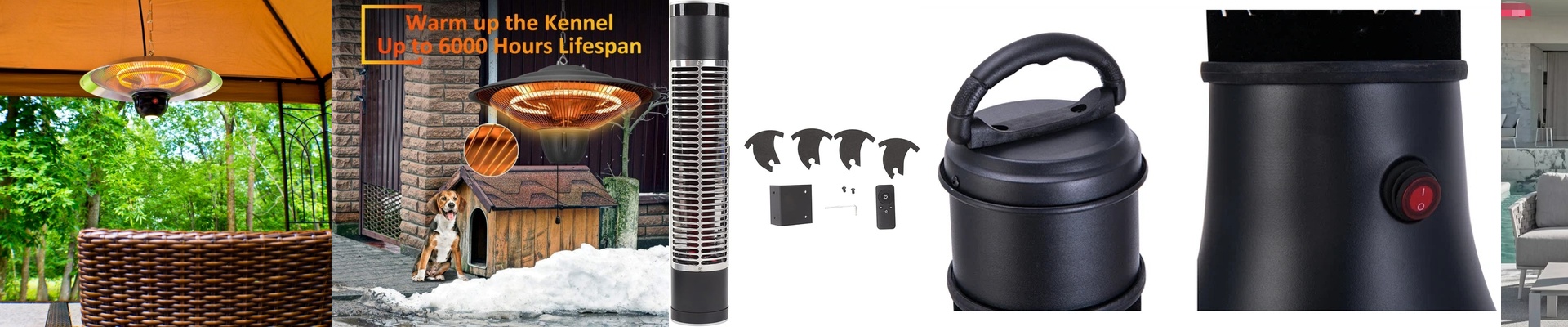
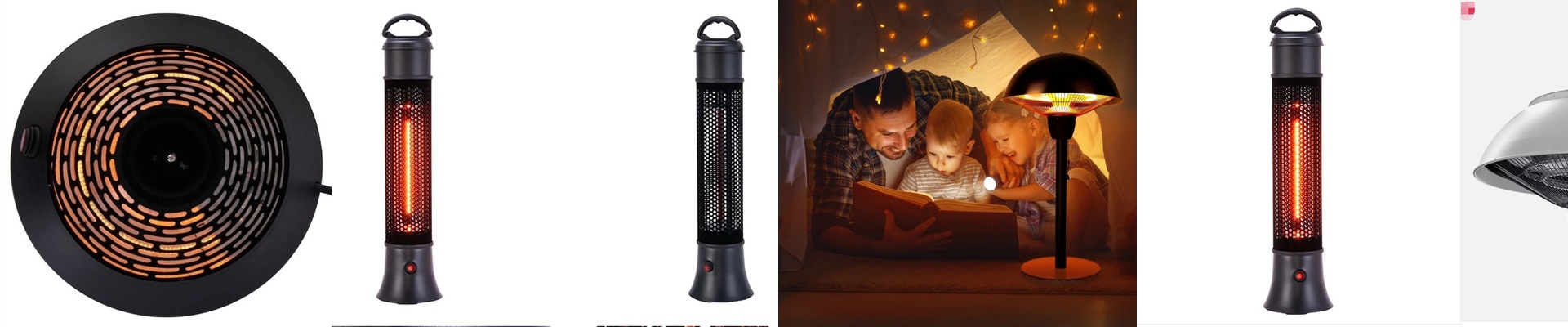
Inside these units, you’ve got quartz or halogen tubes. The second they get power, they glow and start pumping out heat. No waiting around. Now, here is where it gets cool. If you hook these up to a smart home setup—think Zigbee or Matter—you don’t even have to touch a switch. You can set a motion sensor so the heat hits you the moment you walk in, or just tap an app on your phone while you’re still in bed. By the time you’ve brushed your teeth, the “cold start” problem is gone. You just feel the warmth immediately.
Getting the Tech Right
If you’re planning to install one, you can’t just plug it into any old smart plug. These heaters pull a lot of power. If you use a cheap switch, you risk welding the contacts shut, which is a mess you don’t want. Go with a dedicated smart switch that can handle the load. The best part? You can get creative with the triggers. I love the idea of scheduling the heat for 6:00 AM. Imagine waking up and knowing your bathroom tiles are already warm under your feet. That’s a win.
A Few Things to Watch Out For
It’s not all magic, though. There are some trade-offs. Because it’s radiant heat, distance matters. If you mount the heater too high or too far away, you won’t feel nearly as much of that cozy glow. You’ve got to place it where you actually spend your time. And a quick warning about your electrical panel: these heaters cause a sudden spike in power the moment they kick in. If your home’s wiring is a bit dated or undersized, you might find yourself tripping the breaker the second you try to warm things up. Just make sure your circuits can handle the jump before you go all-in.